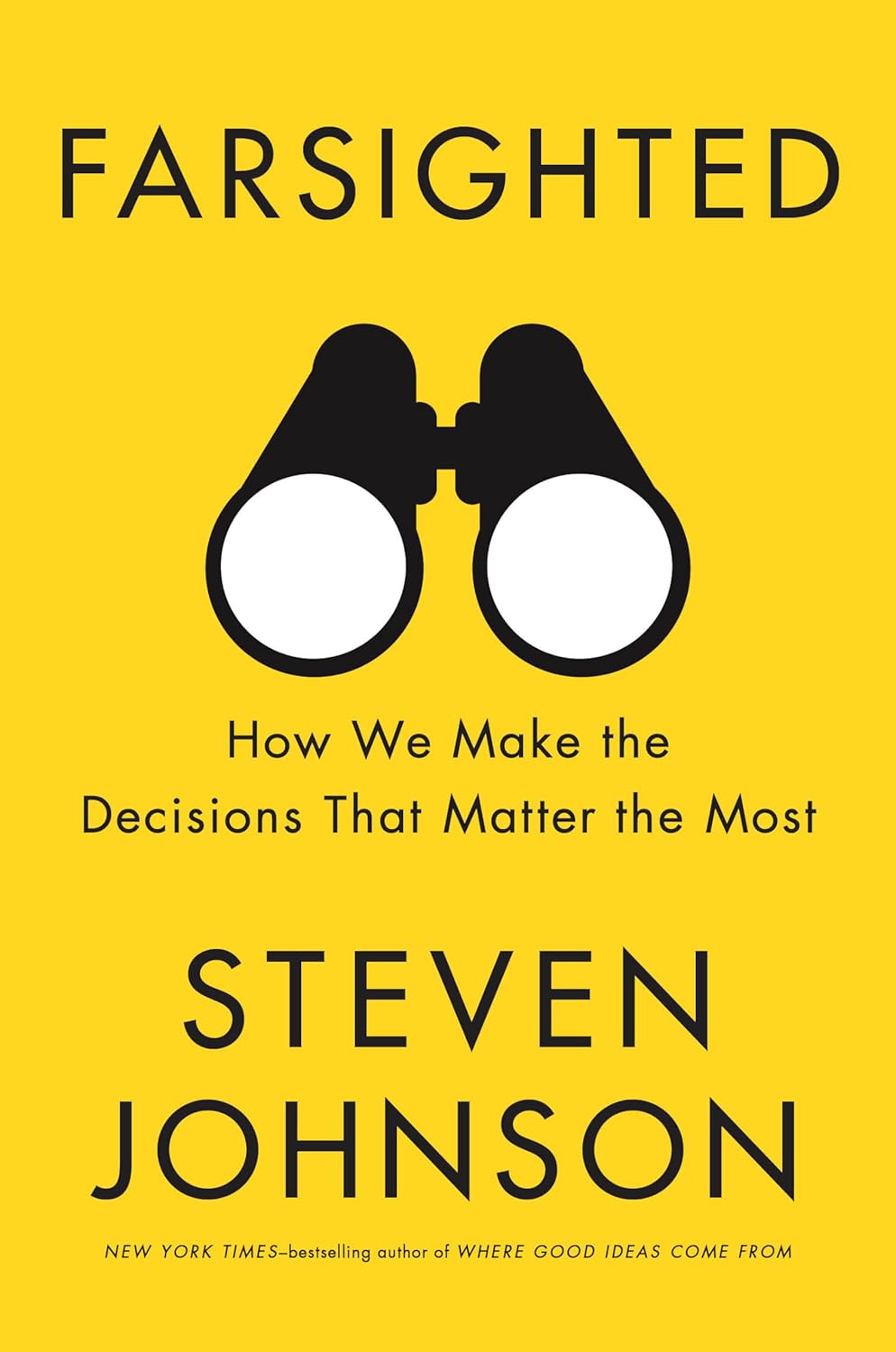
Let's start with the point that Steven Johnson makes over and over in Farsighted, if you want to make good decisions the diversity in background, gender, all other factors...matters.
Homogenous groups - whether they are united by ethnic background, gender, or some other worldview like politics - tend to come to decisions too quickly. They settle early on a most-likely scenario, and don’t spend the energy to question their assumptions, since everyone at the table seems to agree with the broad outline of the interpretation. Farsighted - Steven Johnson Pg 54
Diverse groups are more likely to admit that they don't know, or aren't 100% confident in their decisions. They they may in fact be entirely wrong, and thus are willing to look for alternatives that increases the likelihood of them making a correct decision1.
What strikes me as the saddest part of this is looking around at the "leaders" of much of the world. From tech decision makers, to politicians, in most places in the Western World we have a homogeneous group of privileged white men making decisions about how the rest of society will live.
Silicon Valley decides what technology will be put in front of us, and how we will pay for it. They lobby government to ensure that we do not have a right to repair things we bought, because we don't really own them. We're allowed to use them until such time as the tech overlords see a way they can make more money by making devices obsolete.
Combat
My question most of the year is how do I combat these decisions that are forced on me. My ethics ask me to use more open software which helps avoid enshittification. I run repairable hardware on Fedora and continue to take steps to remove myself from big tech.
On the political front, we need to continue to push politicians to not simply pay lip service to diversity, but hold them to account. The easiest way I can see real change is to do this at the local level where I work to advocate for city policies that increase the mobility and diversity of our city.