It's easy to say that you want to be an author, or in better shape. Show me how you spend your time and I'll show you what you value. For many if we looked at where you focus your attention we'd assume that the most important thing in your day is scrolling on your phone for the next cool thing, because that's what you spend most of your free time outside work doing.
Resistance is not futile though, it's entirely possible and not nearly as hard as you think it is.
Books as resistance
Ted just wrote this glorious ode to books and the way they can evade the repressive efforts of those in power. In 2023 I took a stab at the same idea, stating that owning books is resistance and we don't ban books to keep kids safe. I stand firmly on those two ideas, but we can take books as resistance further.
Books don't notify you of whatever some tech company thinks you should pay attention to at the moment. They don't push you to scroll for yet one more hit of dopamine. A good book pulls you in and prompts you to think. It may be a fictional work that gets you thinking about what the characters are going through, or a non-fiction book that challenges you to think big.
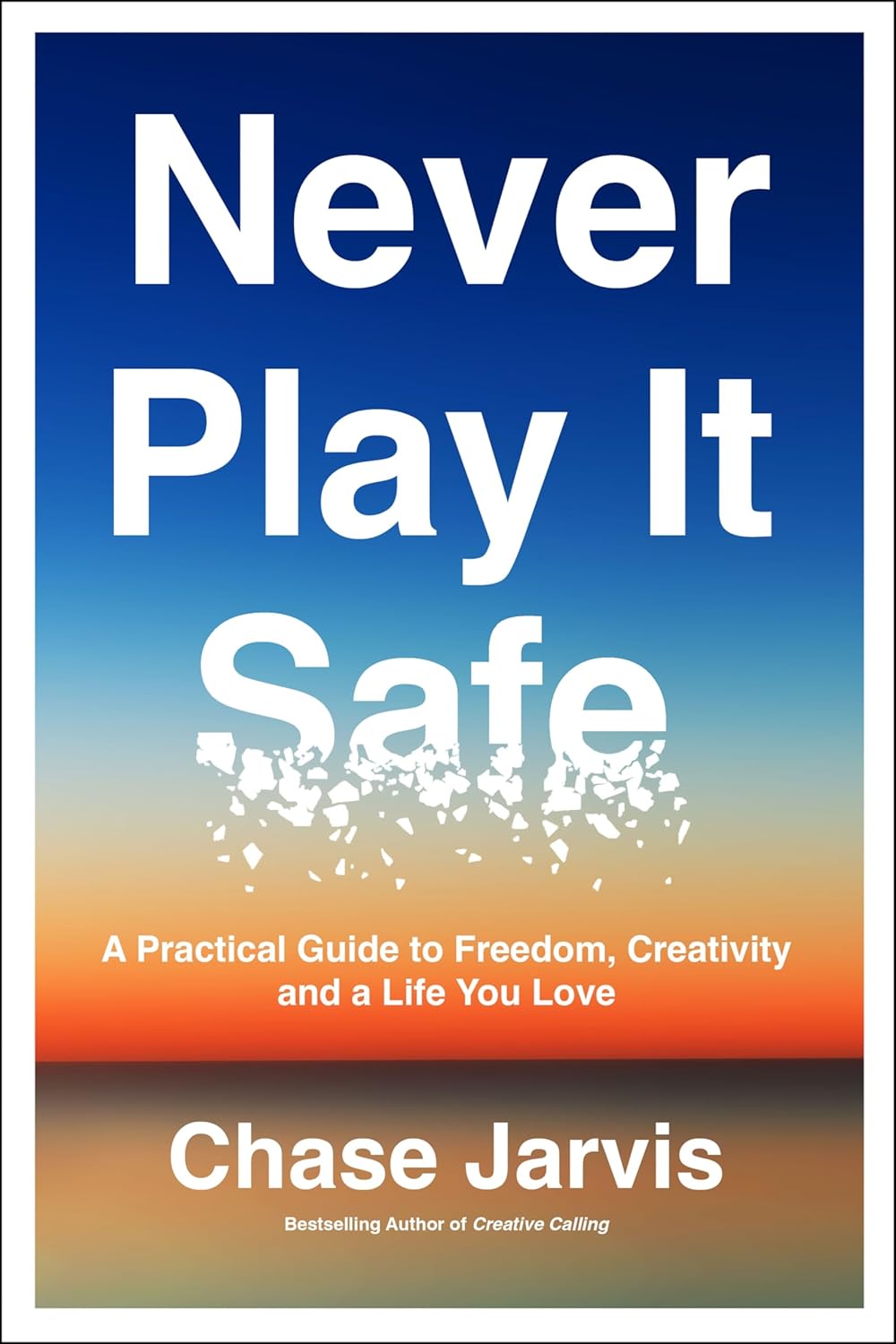
As I'm reading for book club this month, Never Play it Safe speaks about not only choosing what you will do with your time but also what you will not do with your time. Just last night I fell into the YouTube trap while washing dishes. I watched some highlights from Taskmaster and laughed hard, but then I continued to watch random Taskmaster clips for over an hour.
In that moment I made a choice I'm not happy about, but YouTube was happy to feed me more content. I wish I spent that time reading.
Choosing what you will not spend your time on is a method of resistance as well. A way to take control of your attention and point it towards the things that you care about instead of defaulting to whatever some tech oligarch is enriched by.
Software as resistance
A second way we can strongly resist the ideas pushed on us by big tech is by taking more ownership over your software stack. I've documented a bit of that with my move to Emacs and syncthing so that I fully own my tasks without any other company coming between me and those plain text tasks.
You can take it much further though. As Microsoft puts ads in your operating system just to remind you that you don't own the software platform you're using, they own it and can make it worse for you but better for their bottom line any time they want. Lest the Apple people think they're safe, remember that the iPhone was once a sacred platform but now you can get ads about Apple's F1 movie in the Wallet app on your phone. If you're not signed up for their iCloud service your device is polluted with further upsell nags that are hard to turn off. Their AppStore search is shit and mostly dominated by ads such that you can search for the name of the exact app you're looking for and need to scroll multiple times to find that app.
I'm sure that many people think macOS is the sacred operating system that Apple will never touch, but it's not. As soon as they think they can put ads in it and people won't complain hard enough about it they'll do that too because you don't own your computer you simply are allowed to use it while Apple says you can. It's already got nags for iCloud that require command-line-fu to remove, which many users will never feel comfortable doing.
To step out of this I started running Fedora full time 2 years ago, relegating my M1 Mac Studio to merely a server and media PC. It rips disks, syncs content, and plays music. I don't rely on it for any work because why would I build my livelihood on a platform that Apple can modify to make my experience worse as it serves their profit motives?
Does open source have risks? Yes, most of open source is merely one person that's operating without the resources needed to run their software properly. I try to combat this by donating to the projects I use yearly instead of giving that money to big tech companies.
Open source isn't magically free of going to crap either. Firefox is my browser of choice, but their AI moves recently are terrible. I hate needing to go into my browser and turn off a bunch of features that are automatically on that I never asked for, but at least I can turn them off. This isn't the only issue with Firefox either. Its future stability relies on Google continuing to pay it millions of dollars a year, around 85% of it's total income, to put Google as the default search engine.
I personally use the Zen Browser which is built on Firefox, but shuts down a lot of the extra crap the Mozilla Foundation is adding to their browser. It still syncs with Firefox so I can have shared bookmarks and a profile that goes across platforms, but it's much calmer and cleaner.
One of the best ways to keep companies putting users first is to have clear pathways to stop using their products. The only reason Apple feels free to abuse its users with ads now is that they know you're going to be hard pressed to leave their walled garden. Microsoft can put terrible ads in their operating system because it's the standard for most people.
If you're using macOS or Windows, the best way to get the best experience is to make sure these companies have to fight to keep users. That means that you want Apple to open their AppStore so that they have to produce a better experience than alternatives. You want other operating systems to thrive so that others see how easy it is to leave the two big desktop platforms.
By using, and helping others use, alternatives you can not only resist, you can push these companies to rollback their crap as they watch users leave. When their bottom line is threatened it's a no brainer to make choices that cause users to stay with their platform.
Writing as resistance
Third, you can resist by owning thoughts instead of giving them to platforms for free. Facebook became the behemoth it now is because people willingly gave the platform all their data and thoughts. Facebook now can treat you like shit because it knows all your data is in their hands. It knows you only keep up with your friends via it's platform. It knows that Marketplace is the best spot to find local used things for sale. Facebook knows it can continue to get a bit worse to use all the time, as long as it doesn't get too bad too fast and make you hate it enough in a moment that you'll leave.
Businesses would never have pushed their websites to Facebook pages as a sole resource if they knew from the beginning that they'd have to pay to reach anyone that followed their page from the beginning. But Facebook only added that paywall for businesses after they had built what they thought was a great free way to reach their customers. Then Facebook reminded them that the customers weren't yours, they're Facebook's and you need to pay to talk to them.
For many Musk buying X (Twitter) was enough of an "Oh shit" moment that they left, but X is still a huge social network. It's still used more than Bluesky, Threads, or Mastodon, even though X is really just a Nazi bar. There are enough people that see benefit from X that they stay there even knowing how terrible the owner is.
Again, Twitter became a platform that was worthwhile because we gave it our writing for free. Since 2018 I've said that threads on Twitter should be blog posts and the same goes for Open Source darling Mastodon. Your threads on Mastodon should be blog posts.
If you want to share your ideas, you should be blogging. Writing helps refine your ideas. If you're looking for work, and many of us will be at some point, writing about your field of work helps build a body of work that shows your relevance in the field.
Are there consequences to sharing your thoughts? Yes there are. When I say that Donald Trump is taking the United States into a dictatorship, it increases my risk while entering the US. If I lived in the US, it would increase my risk of simply existing at all in the country because fascist cops will at some point find what I said and then use that along with whatever made up ideas they have to persecute me.
Sure I'm a white dude so I'd be safe for a while, but bystander apathy means that if I ignore the persecution happening to those that aren't me, at some point it's likely to come for me too. One of the best things I can do as a cis white dude is to use my privilege to say things that others get dismissed for saying.
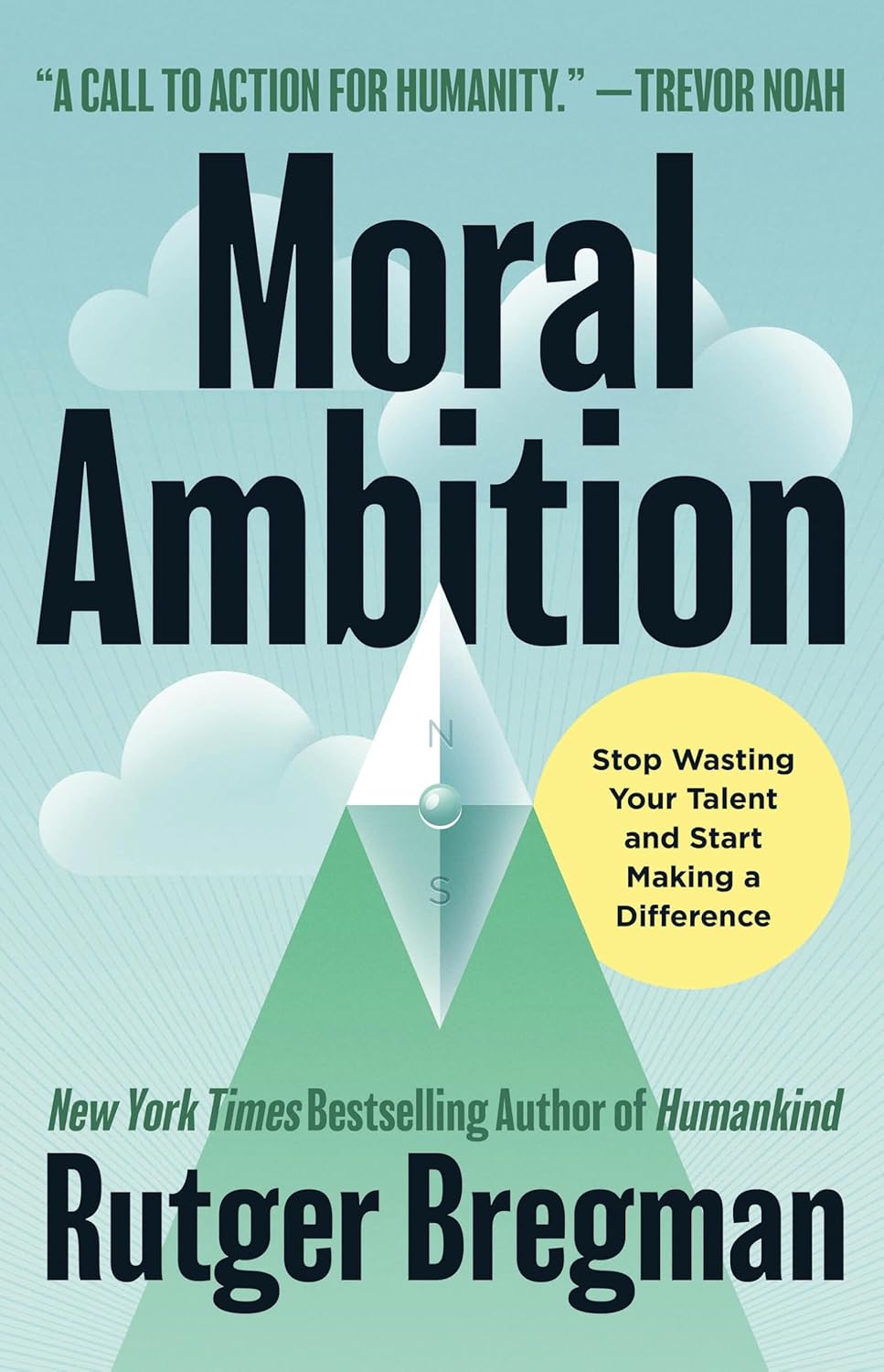
It's trite to say that we "live in interesting times", yet if we don't stand up to those that are continuing to amass fortunes the world our children grow up in will be even more controlled by a tech oligarchy that funds politicians and continues to corrupt governments. Moral Ambition brought this up strongly. We need more than mean social media posts that dunk on some politician doing something, we need laws challenged by lawyers. We need writers to continue to call out the grift going on around us, Cory Doctorow being one of my favourite fairly militant writers.
The Act of Resistance
You can know something and then do something about it. Or you can know something and look away, afraid to face the consequences of what you know to be true. Moral Ambition - Rutger Bregman Pg 31
Resisting the world as it's being handed to us isn't simply one act, and sending stern social media messages doesn't count. It's not a secret that the world being handed to us by corporate overlords is getting worse daily. We can see it happening around us as we get served more ads even in services we pay for already like Netflix. We can see it as our appliances don't last, and features we pay for are taken away from us by a software update.
We need to detach ourselves from products that don't treat users as the most important part of the product. We need to annoy our political representatives to help ensure laws are passed that allow us to modify the products we purchased instead of making it a crime.
One of the easy steps you can take today is to put down your device and stop scrolling. Look at using something that's not Windows or macOS, I promise Linux has come a long way and it's only a bit of work to find free software that can be used to do your job.