By many metrics we live in an attention economy now, where every big company wants to monopolize every moment of our lives so that we spend that moment enthralled in whatever makes them money. They don't care about what you want to spend your time on. In fact this attention economy is all about ensuring that you make the wrong decisions about where you focus your attention1.
Then companies tell you that you need to spend your time on their platforms trying to gain the attention of others. They push the stories that fit this narrative by showing you random people that succeeded by using their platform, while ignoring the thousands that attempted the same thing with the same level of effort and merely ended up putting more dollars in the pockets of a tech billionaire.
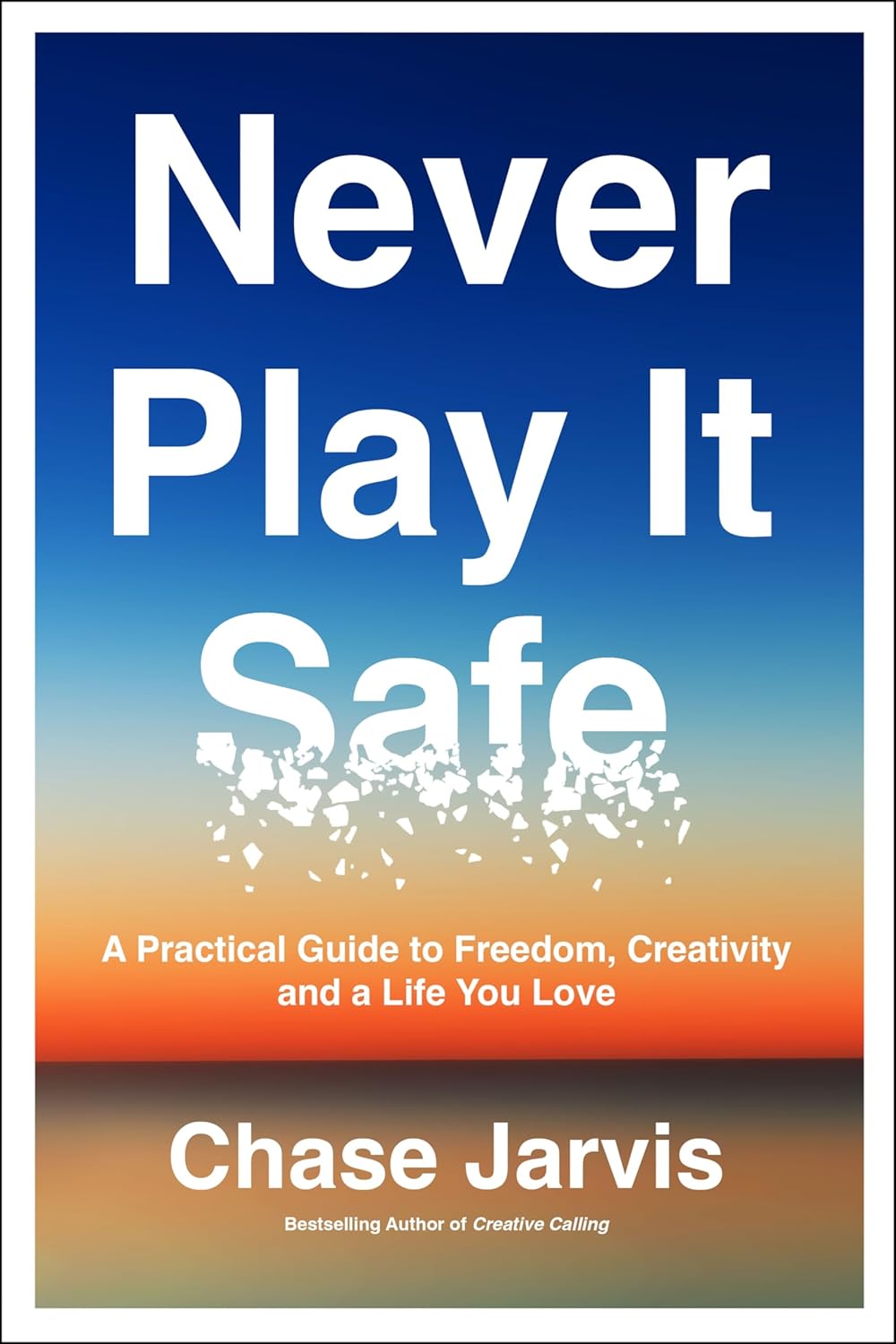
This is where Chase Jarvis points to his first lever in Never Play it Safe, attention. He asks: what if we stopped spending so much time trying to get the attention of others and instead worried more about what we point our attention towards2.
Contrary to popular opinion, where we choose to place our attention is something that is almost 100 percent within our control. Yet, most of us don't live this way. - Never Play It Safe Pg 34
Sure these big tech companies employ thousands of people that end up making the choice of where you spend your attention harder, but the decision is still entirely in your hands. You may think the goal is to never have your attention wander, but that's not the point. Instead of worrying about the fact that your attention wandered, and it will, once you notice this take note and then redirect it to the area you want to be focusing on in the moment3.
Where does this leave those that want to accomplish something then? If you want to be a writer, write4. Sure set up some social media sharing but don't spend valuable writing time on social media, write.
Second, don't fall for the stories of the survivors of platforms. Just because someone else succeeded doesn't mean you can take their plan and overlay it on your life to get the same success. For many of these success stories, the path they used was time-specific and no longer exists in the same form. You don't have their advantages either. Following their prescribed path to success is unlikely to replicate their results5.
Help keep the content coming by becoming a member.
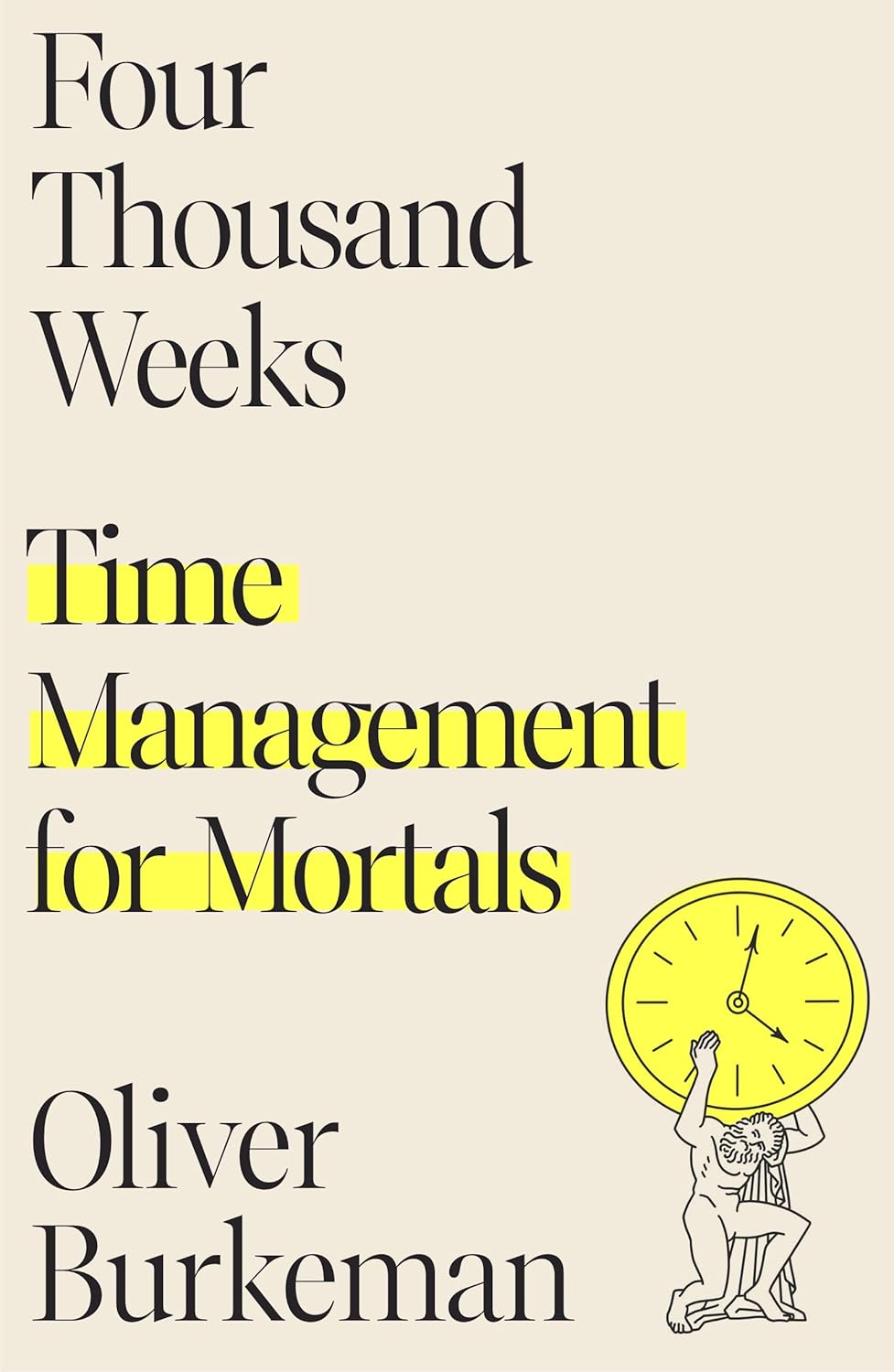
Here Four Thousand Weeks offers better advice than Jarvis has so far. Burkeman gives readers an antidote to creative neglect6. First, pay yourself first with your time. Do the creative pursuits that bring you life first, before letting other tasks crowd out this life-giving work7.
Second, limit your work in progress to 1 project at a time, which mimics the advice in Personal Kanban. Most of us have felt the pain of too many projects on the go at once. We spin our wheels on 6 things and barely make progress while continuing to feel their weight drag us under water as if we were a mob informant with chains around our legs. Limit your creative projects to the single one, with a backup, that you can focus. Keep the other ideas for another day.
Finally you need to resist the allure of middling priorities. These are things that are decent to do, but not your top priority. Burkeman recommends making a list of 20 things that are important to you then rank them. Only ever do the top 5 things and ignore the rest. Sure they're good, but they're not important enough to warrant your attention. Many people get stuck putting lots of effort into these bottom 15 things and waste the focus they could be using on only the top 5 items on their list8.
Remember the easiest way to see what you value is to look back at your calendar to see where you actually spent your time. If you say you want to do YouTube videos then your calendar should show you spent time developing ideas and publishing videos. If you want to be a writer, write. If you finish a day and spent hours scrolling, the evidence suggests that you want to give your attention to an algorithm and not create things.