Excess is one of the defining words of culture today. Excess money for some, while others struggle. Excess emails and tasks for everyone. Business owners push AI as the next saviour because tech companies have tricked us into believing that the excess that's good for billionaire investors is also good for us. Political excess running rampant from a narcissistic man baby using police to remove as much as possible from any vulnerable population he can find.
So let's take a look at excess.
Deleting Emails Monthly
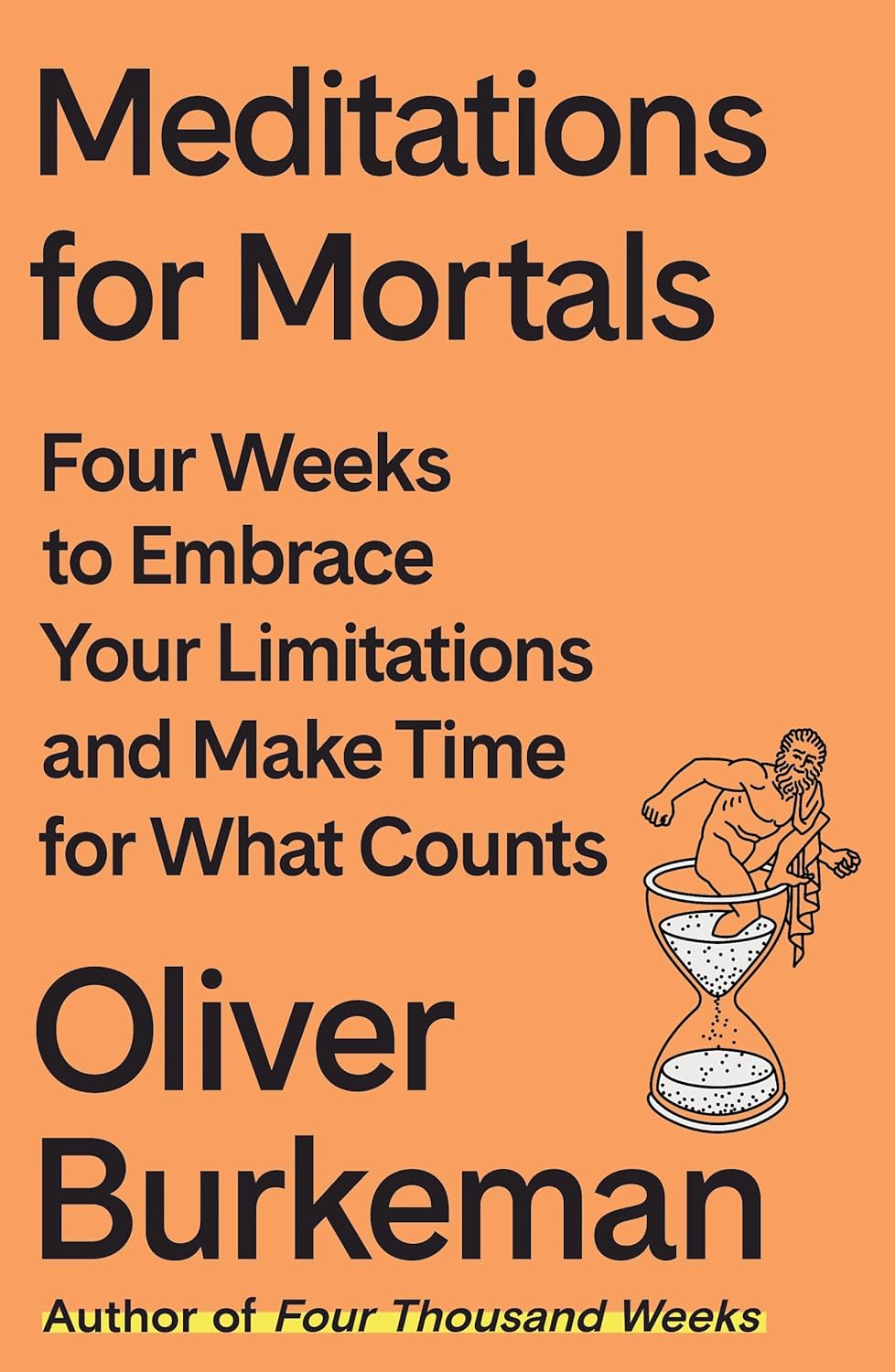
I know that JA Westenberg has only been deleting every email at the end of the month for a month but the idea is intriguing. When we read Meditations for Mortals we looked at the idea of dipping into the stream going by and then not worrying about the stuff you miss. Westenberg is doing the same thing but for email. If it's important, it will come back around. The fact that you didn't deal with it in a month was a vote that the email didn't matter.
I talked about the same idea in my book Analogue Productivity. Analogue systems are great for task lists because they default to "no". When you look at moving a task from one day to the next you get to feel the fact that you didn't do it. When it feels like too much effort to migrate tasks to a new book or page, you've just felt the weight of a task that's not important and should be abandoned. If you don't move it, the task is gone and you get to live without the burden it imposes on you. This is in contrast to digital systems that always have some way to easily move tasks forward and keep reminding you about stuff.
This same process is why it feels great to change task managers. As you migrate to the new tool you finally get to say no to all the things you were never going to do anyway. The fact that you intend to go back and finish migrating your tasks, but never get around to it, is your vote that some tasks weren't worth tracking at all. Changing tools just put enough friction in the mix for you to admit it. Unfortunately, you're still going to make lists of stuff you'll never do and you never built a process that makes you remove tasks you've pushed off multiple times.
Some Americans Like fascism
Matt wrote about the desire for fascism by some American's which ties in to some of the ideas I wrote about resistance last week and sadly to the conversation I had with my 14-year-old on a long drive last weekend. My daughter, and her History/Politics teacher, are both worried that America is going to go fascist or totalitarian and I can't say that I have any argument that contradicts this based on what I see from the Canadian side of the border. Further, they're concerned about what it means for Canada to have a militant country across the longest unguarded border in the world.
Compare US politicians responses to Trump with what we saw in South Korea where the opposition leader climbed a fence and many other politicians put themselves in the way of physical harm to stop the martial law illegally declared by the leader of the country. Trump is doing similar things to police cities he doesn't like by unlawfully deploys the National Guard to get "tough on crime". If he was really tough on crime he should start with all the laws he's broken as President.
I mostly find it hugely ironic that Trump, whose party theoretically supports almost unlimited liberty, is the party that's restricting the liberty of the citizens of the US with seemingly little push back.
Butt in seat time
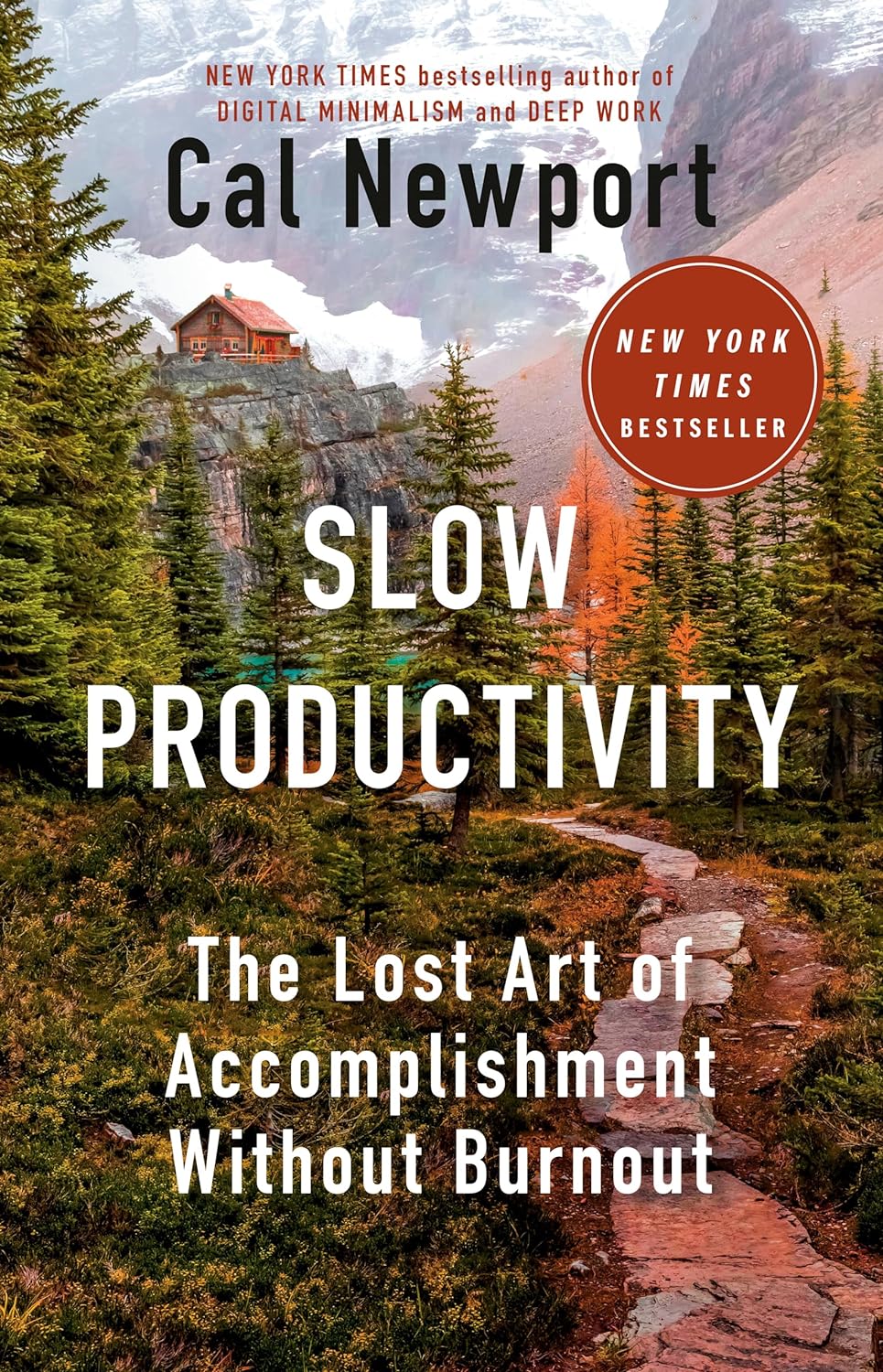
How does one evaluate worker productivity? Will AI help or hinder that? Eric has a great post looking at the impact of AI and how slipshod the roll out of AI is for many. Most companies equate having your butt in a seat they can see with productivity. Cal Newport calls this pseudo-productivity1.
The use of visible activity as the primary means of approximating actual productive effort. Slow Productivity - Pg 22
Count the emails sent, or lines of code written to judge productivity. Yes that means you can send useless emails or rewrite lines of code that don't need to be touched and look like the most productive person at work without doing anything worthwhile. When you're judged on overall volume of output instead of quality volume is what bosses will get.
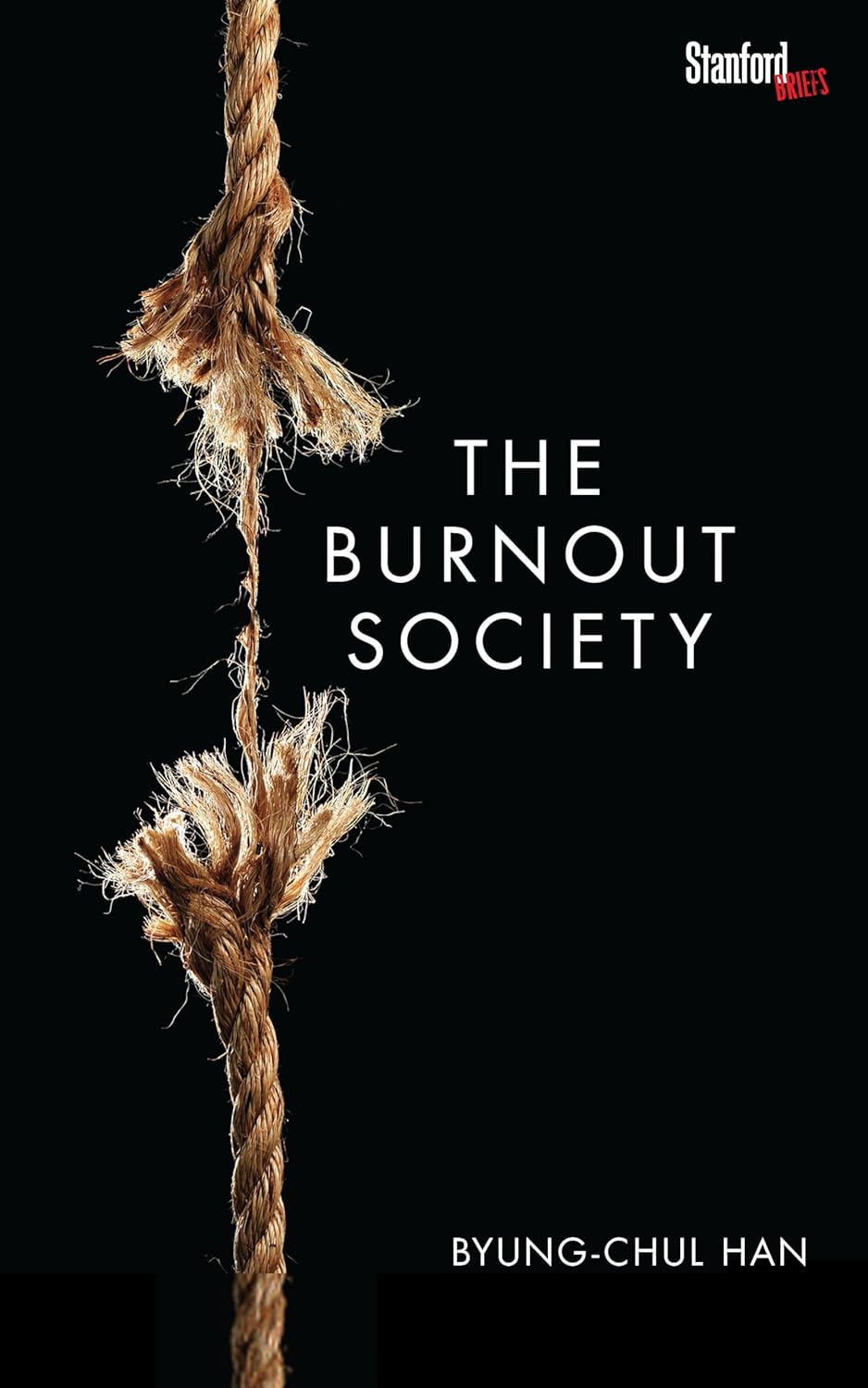
Even if you work for yourself this is a key metric that we often fall into and then feel bad for taking a day off because we're not "doing stuff". But in our productivity obsessed world we work more without realizing the ideal productive day is full of overwork and overload2. We easily view an hour spent in an unproductive state as a wasted hour of our lives3. No longer do we need someone to police us, we are involved in voluntary self-exploitation4 so that we "feel" productive.
I think that counting these easy metrics are a great cover for bad managers. They don't know how to evaluate your work output so they measure something easy they can see. They don't understand how to prioritize properly, so they look to lines of code written instead of valuable outcome for customers.
Adding AI to your work isn't going to solve any of this, and is in fact a symptom of how inept management is. Management sees AI boosters claiming that they can replace workers and then want workers to use AI so they don't have to hire. It's the wet dream of a business owner, getting pesky employees out of the way so they don't need to listen to their needs or let them see their families. The dream that AI can reduce the power of labour is strong with most business owners because it will let them pay less and treat their employees worse while reaping more profits for themselves.