Much of our world slips by us, a list of posts ephemerally floating past our eyes where we dip in to a flow without taking ownership of what we consume. To counteract that we can take ownership by saying no to a digital existence and instead seeing how valuable the physical is and embracing it. Yet as we embrace the physical it's also far too easy to move to collecting physical representations of knowledge without having any space to think about things deeply and answer hard questions.
Today we'll look at the value of physical things, how we valourize the accomplishment of youth, and how maybe we should be a bit more focused with our questions as we walk our way through life.
A physical reproduction is meaningful
Robin talked about the weight and meaning to a physical copy of the first iterations of Dungeons & Dragons and I get it. I purchased How Comics Were Made and Shift Happens both of which would fall into the same ideas Robin talked about.
Given a digital presentation, even one I backed in some way financially, I would have clicked around a bit and found it interesting but then left and never returned. These two books sit on my shelf and while looking for a new book I see them and will take some time with them.
This is just what The Revenge of Analog was looking at, how physical experiences are thriving in a world where so much of our life is ephemeral. Most of my writing is online and thus disconnected from my life as I walk around. A row of books I wrote would exist in the space I inhabit daily in a way that digital content never can.
I'm 45 and have done nothing
Because we live in a culture obsessed with precocity. We valorize the twenty-two-year-old founder, the thirty-year-old Nobel laureate, the poet who dies before publishing her second book. To be forty-seven in America often feels like you are past your prime, coasting toward irrelevance. And yet Vonnegut’s story punctures this narrative. It raises the uncomfortable, thrilling question: how much can be done late, when everyone thinks the window has closed? - Remember Kurt Vonnegut was 47
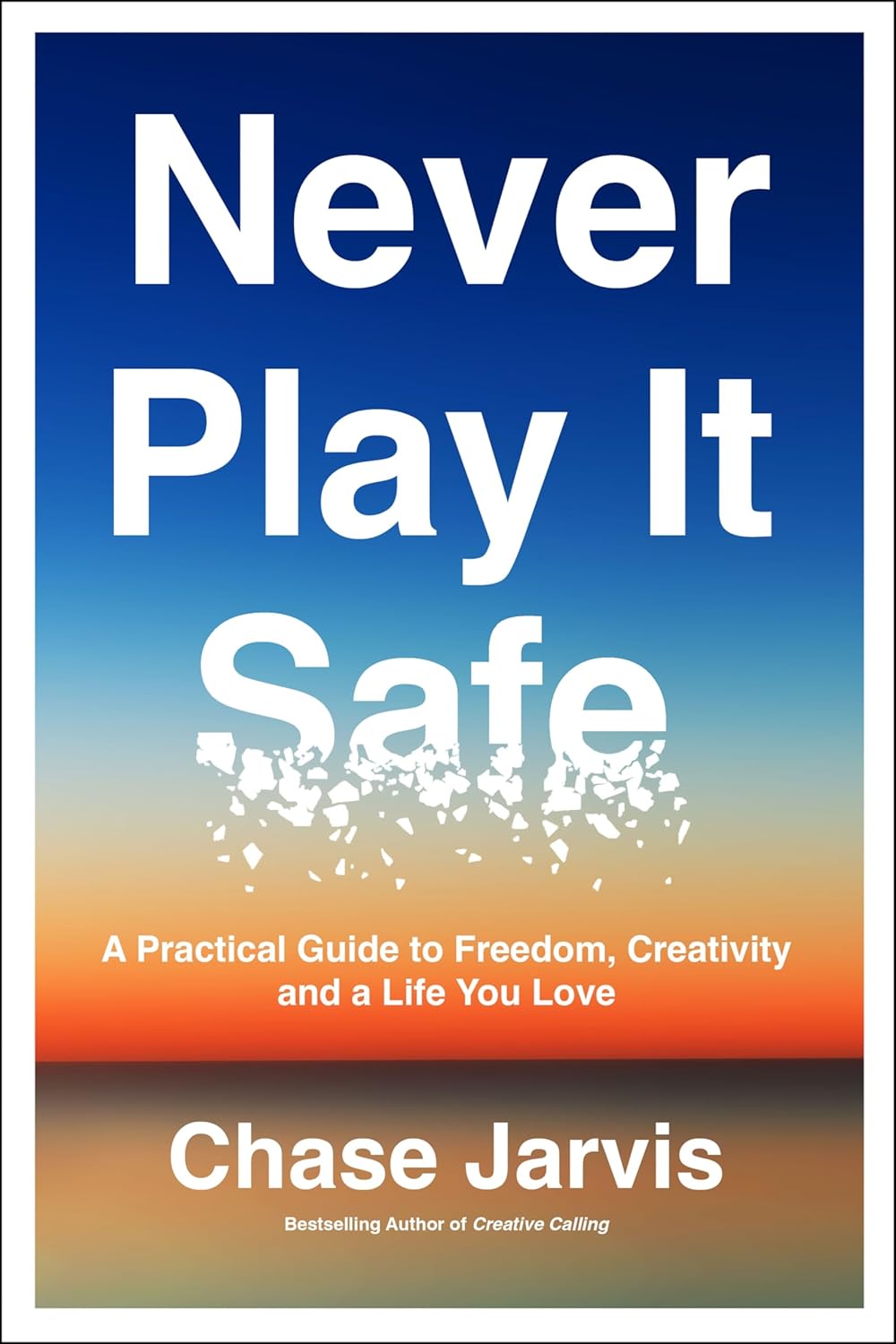
Chase Jarvis tackled this idea in Never Play it Safe as he talked about the world giving us a map from some successful person we should follow1. This often pushes us into the hustle culture mantra of more work faster2 so that we can make some arbitrary list of 40 under 40 or if you're like me it would have to be 50 under 50.
Vonnegut isn't the only one either.
-
Laura Ingalls Wilder published Little House on the Prairie at 65
-
Charles Darwin published The Origin of Species at 50
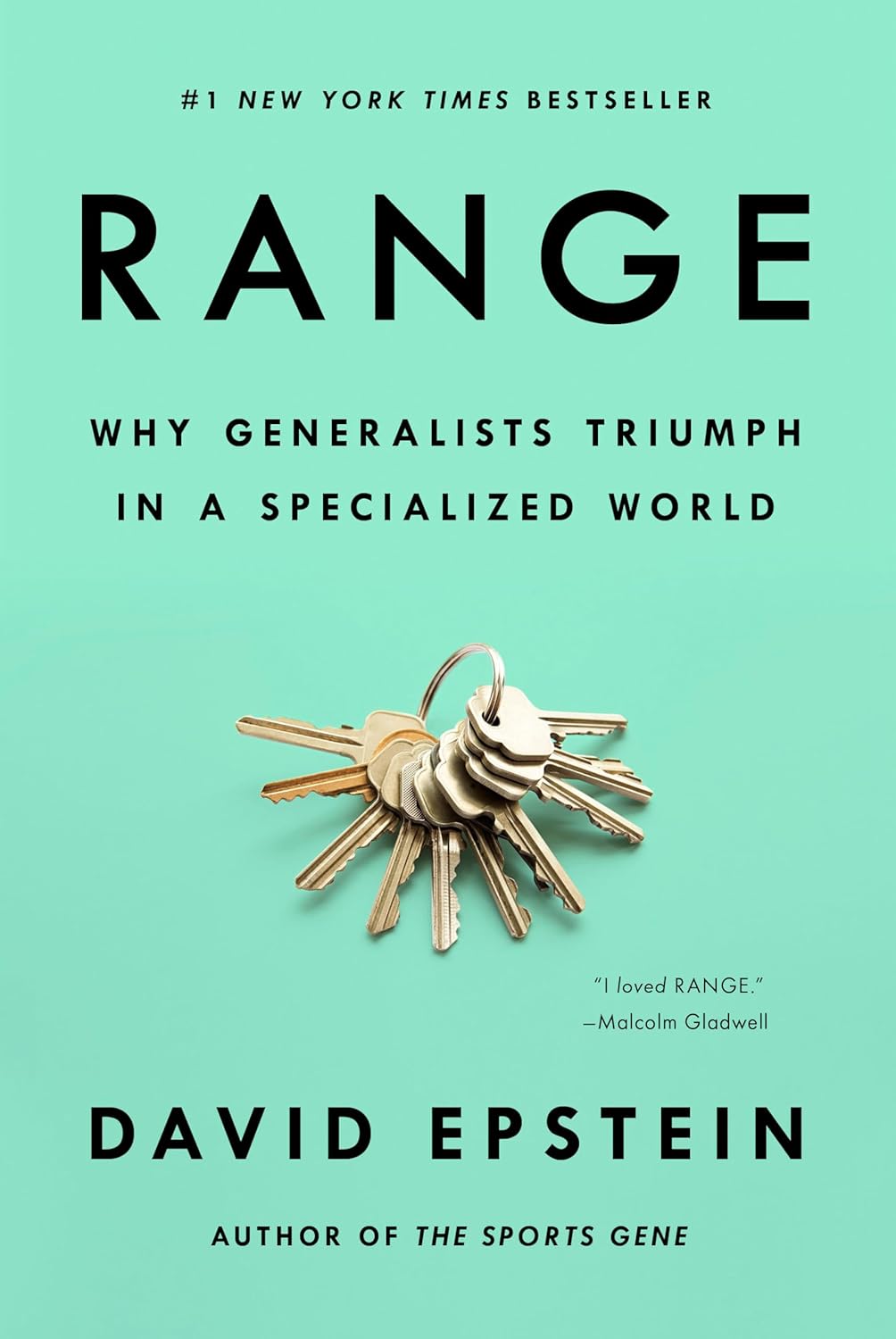
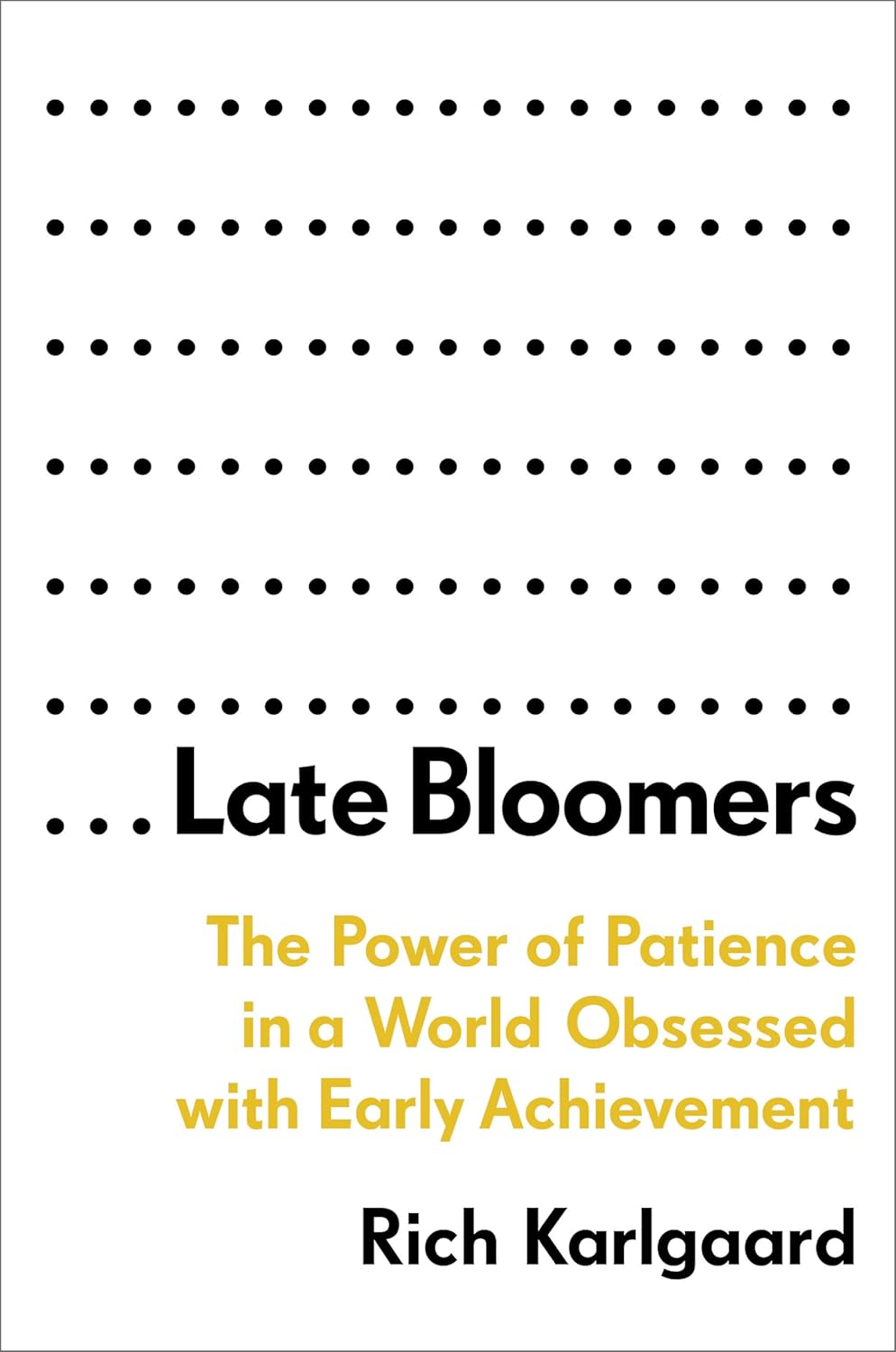
There are many more examples of this and an entire book called Late Bloomers I read in 2019 talking about how early success is overrated3 and doesn't predict later success. Range also tackles this and introduced me to the idea of match fit. Early in life we don't know ourselves well enough to get a good fit in our interests thus early specialization doesn't lead to long-term success for most.
Those that take a bit longer, have more varied experiences, and then come home to their career and interests later in life end up earning more and being more celebrated in their field. Those early bloomers that you thought were taking off more often leave their field and backtrack. Their lead evaporates, or goes negative as they get to their 30s and 40s.
It's easy to feel like you've already missed out even though it's unlikely you have missed out on anything.
Research as Leisure?
I found this essay on research and reading as leisure interesting and possibly one that called me out.
First, our information ecosystem has created collectors, rather than readers, out of us. Collecting PDFs, books, and lists of books is a uniquely thrilling pleasure but it can hamstring us. The most challenging part of gathering evidence is organising it. - The Lost Art of Research as Leisure
As I look around at the 600+ books in my office I fear that I too have become one that collects reading materials just to have them. That I've become someone who equates intellectual rigour with simply owning things, because that's easier than spending time thinking.
I also fear, as the essay suggests, that I don't have a question I'm trying to answer though I have been thinking more about ways I could focus my reading and research a bit more.
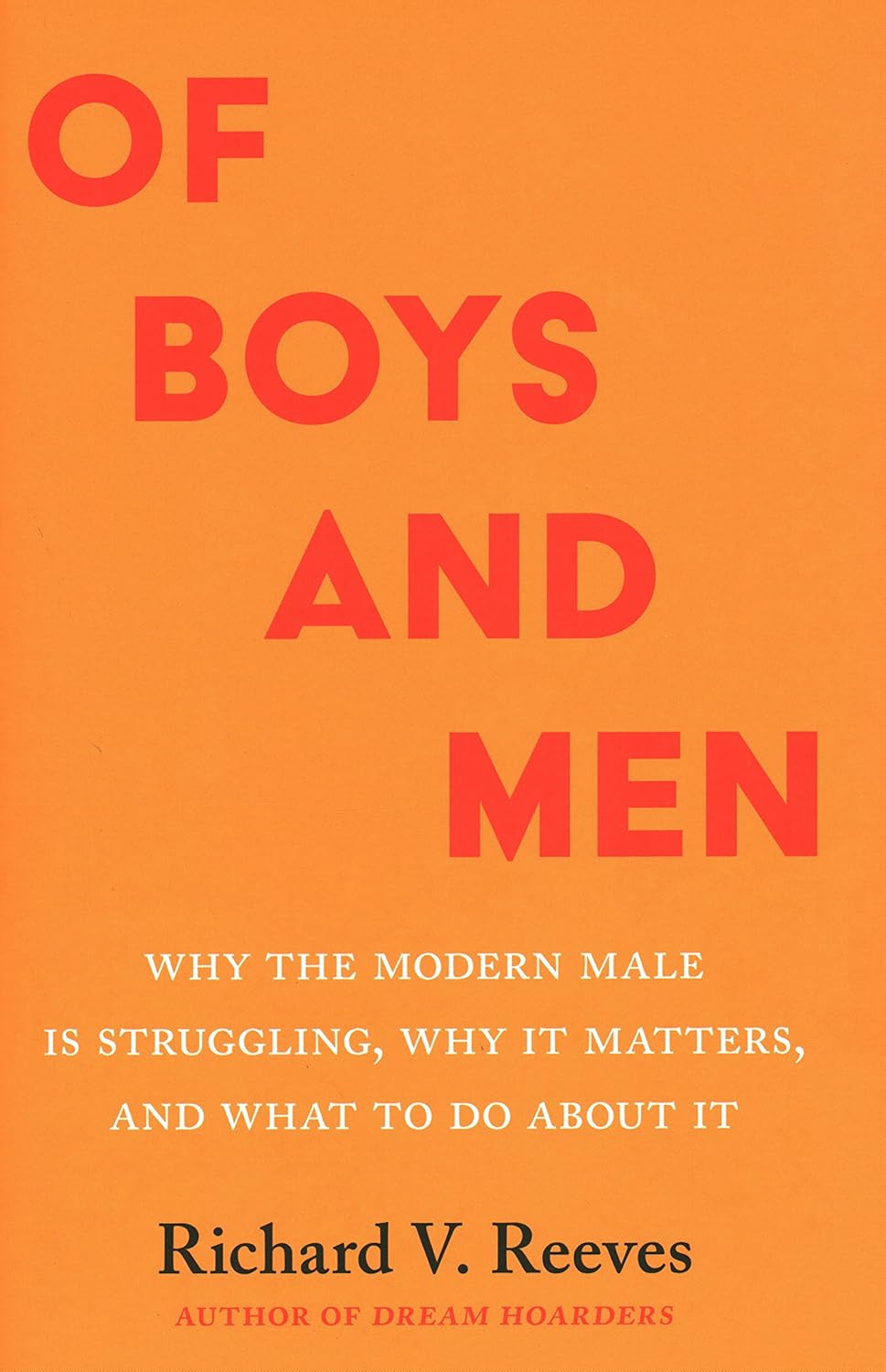
One area that I keep coming back to lately is the rise of the far right, and specifically the manosphere. I wonder how I can help young men that may be susceptible to radicalization choose another path? I also wonder where are the male role-models that show young men, heck, even men my age, what it means to be a man in a world that continues to tell men they're bad, what they want is bad, and almost any view of masculinity that isn't mostly about being very feminine is bad4.
Yes, there are bad men out there. But there are also women out there who are dating for food and gifts not any type of relationship. That doesn't make all women bad or toxic, just some.
I'd like to have a question to answer and some focus. But I'd also like to just have time to focus. In a world with kids and family obligations on top of work so we can eat, a moment of quiet for research feels like a mirage. I see it off in the future, but as I continue to try and sculpt a life that allows contemplation, the vision I saw coalescing moves off to be still further away.