Next moth's book is Autocracy Inc. Sign up to book club to get all the discussion on it free.
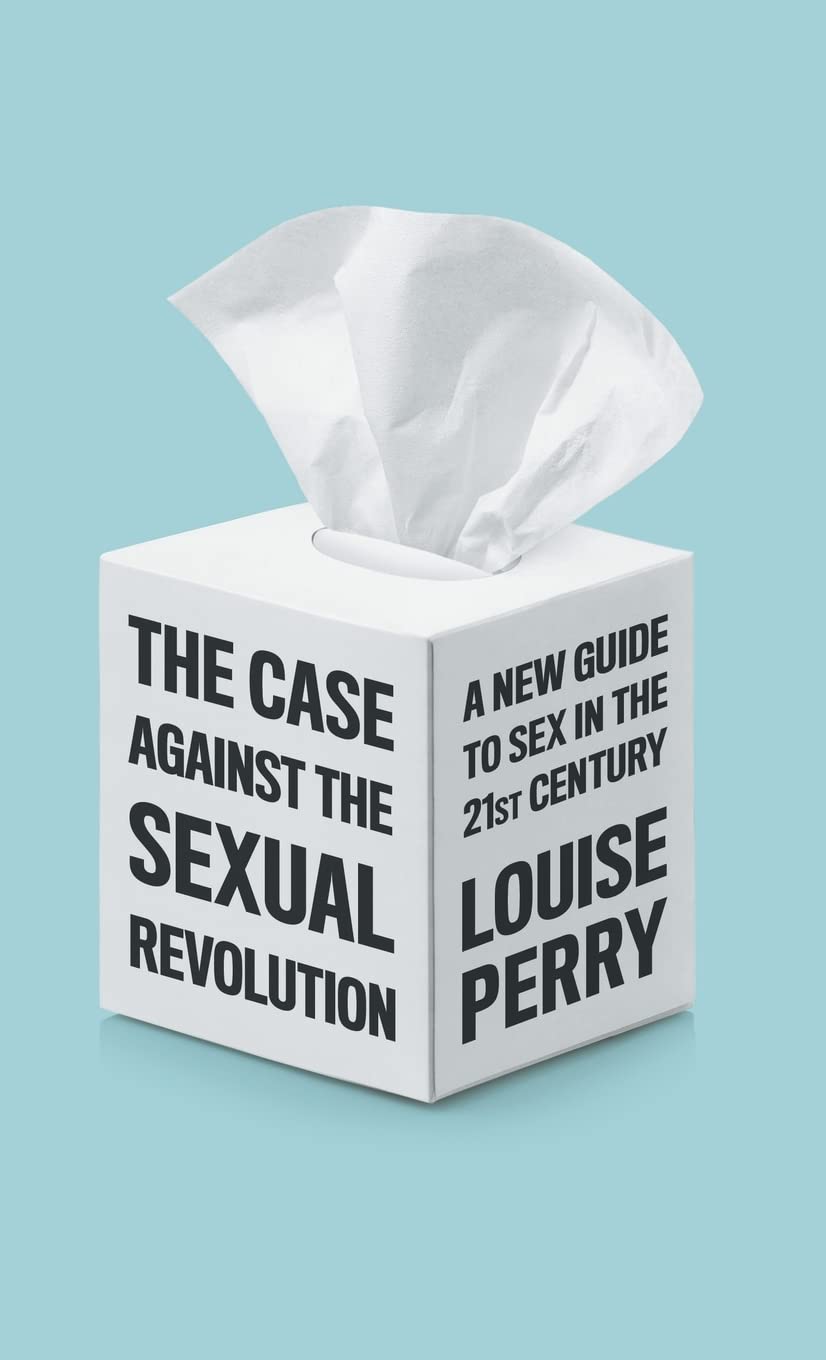
This month's book was The Case Against the Sexual Revolution by Louise Perry. Perry sets out to answer the question, was the sexual revolution good for women? Was it all good, all bad, what parts were good and what parts are harming women? By tackling this topic she's breaking the feminist taboo she sees around discussion of the harms found in the sexual revolution1.
If I can summarize her argument, it's that while The Pill and the loss of taboo around sex for women was a good thing because it gave women control over their reproductive futures and stopped them from being tossed from their communities, it was also harmful because the sexual norm now is tilted heavily towards what men prefer in sex which often harms women2.
What Are the Harms?
First Perry says that the lack of seriousness around sex, previously enforced by cultural taboos, forces women into a sexual culture where many of them feel like they have to have sex far earlier than they want, with more partners than they'd prefer. She says the liberal reduction of constraints around sex wants to equate getting coffee for a coworker with the same meaning as having sex with that coworker for a promotion3. When we hear sex vs coffee described like that it seems patently false that sex and a drink are on the same level.
Secondly Perry wants readers to acknowledge that men and women are physiologically different and these differences contribute to the sexual drives of both. Not just the differences in biology, but differences above the neck in how each gender desires and thinks of sex4. Men have a higher desire for more partners and more sex in general, where women generally prefer fewer partners and less sex than men do. She even when feminists accept physical differences between men and women, they refuse to acknowledge that these differences can exist above the neck5. Any differences in thinking must be because of culture and thus we can train it out of future generations.
Perry also argues that not all sexual desires are a good thing, in fact some are downright harmful. One poigant line reminds women that any man who can maintain an erection while causing you physical pain (BDSM) is not a safe man to be around6. She's not as concerned with the language around consent in the BDSM community feeling that when your partner can usually kill you with their bare hands, as almost all men can do to almost all women7, is consent possible? Is consent possible when to participate in dating today women are continually pressured into [[hookups]] for a man to even pay any attention to them?
She concludes with the assertion that some of the sexual taboos of previous generations were a good thing and that we need to look far more favourably towards marriage again. She says that marriage is good for children8 and that outside of abusive relationships parents telling themselves that their children will be happier if they're happy are lying to themselves. Divorced women see downward social mobility and between 1/3 and 1/2 of surveyed divorced adults in the UK wish they had stayed married9. Marriage is a good way to combine efforts for survival, and society today spends far too much time focusing on self-actualization as the goal of a marriage10.
Perry's Solutions?
Perry ends her book with a number of rules for women based on the chapters she's covered11.
-
don't trust any person or philosophy that asks you to ignore your moral judgement
-
if he can maintain an erection while beating a women, he's not safe, even if he uses the language of consent found in BDSM
-
dating apps can't vet histories of potential dates so don't trust them
-
only have sex with a man you think would be a good father. It only takes one mistake and he will become one
Thoughts?
In general, I do agree with Perry's assessments. I acknowledge that I'm a guy and don't experience any of the negatives that are present for women. If I had multiple sexual partners I'd gain social status, where women have a decreased social status12. When my wife and I decided to have children, I had sex and then my body was free while she had to bear the children.
I think that sex should be taken more seriously, and that while marriage can be great, looking to it for your main source of emotional fulfillment is a more recent cultural trap we've fallen into as community has broken down and many people have no other place to turn to.
Should You Read The Case Against the Sexual Revolution by Louise Perry
Yes, even if you read my summary and think you'll strongly disagree with the author. A good thinker is willing to entertain viewpoints they don't agree with and engage in a reasonable discussion about it13. Both Josh Szeps and Rutger Bregman talk about the taboo in liberal circles around questioning the handed down liberal ideology that is most virtuous.
We need to be more willing to engage with those not like us because most of them aren't dumb. They may have come to different conclusions than we did, but they have real issues that should be addressed.
-
Purchase from Bookshop.org – support local bookstores