This is going to be my last post for the year. I'm taking a break to work on a bigger piece. We'll start January 2026 by reading Take Back the Fight. If you want to get all my book content join the book club. Have a great holiday.
Last week I wrote about a reading year that left me with a bunch of worries for the state of the world. From democracies using the playbooks of autocracies, to tech billionaires running government via influence, to the loss of shame and truth. There isn't much to be happy about.
But progress isn't linear. When we look where we are now compared to the sweep of history, or even a few hundred years, the last few decades have been the most peaceful and prosperous in history. Yes, some demographics have taken far greater shares of that prosperity than others, but overall the world is doing reasonably well. I haven't had to protest for basic rights like generations before me did, but that seems to be changing and it's time to step up.
Let's look at some possible solutions to all the issues going on.
Loss of shame and truth
I recently heard in a podcast that Canada may be to blame for the politician's lack of shame that runs rampant today. It was Rob Ford that was embroiled in a crack scandal and his response was basically that this was who he is and what of it. Did future politicians watch this happen in real time and decide it was a viable tactic when they saw Rob Ford continue on with little in the way of real consequences?
It's only gotten worse since then, with elected officials being unrepentant and convicted criminals. When these same politicians are caught lying, they turn it around and take the playground position of opposition saying in effect, "I know you are but what am I"?
They grab a tactic from the autocrat, flooding the market with more lies about their accusers so that people start to think that everyone is corrupt so why even bother.
It often feels like the lack of shame has come as a backlash to cancel culture. When you can have your career and life ripped apart because you did something insensitive 10 years ago, when it wasn't seen as insensitive, why not just wear your behaviour out in the open. Own it and double down to tell people you don't care what they think.
The few people that are honest about their prior behaviour and work to change don't get a break. They're told we can never believe them or they're simply faking change and their life is now defined to the world by that thing they said in their youth.
When we lambaste a politician for changing their opinion, we're teaching them to double down even if they have new information that might make a difference.
Instead of defining someone's value by something they did, we need to give people room to change. I know if the internet was around and I had posted some of my beliefs in my 20s online, I'd have been cancelled even though I find them reprehensible now.
Loss of competition
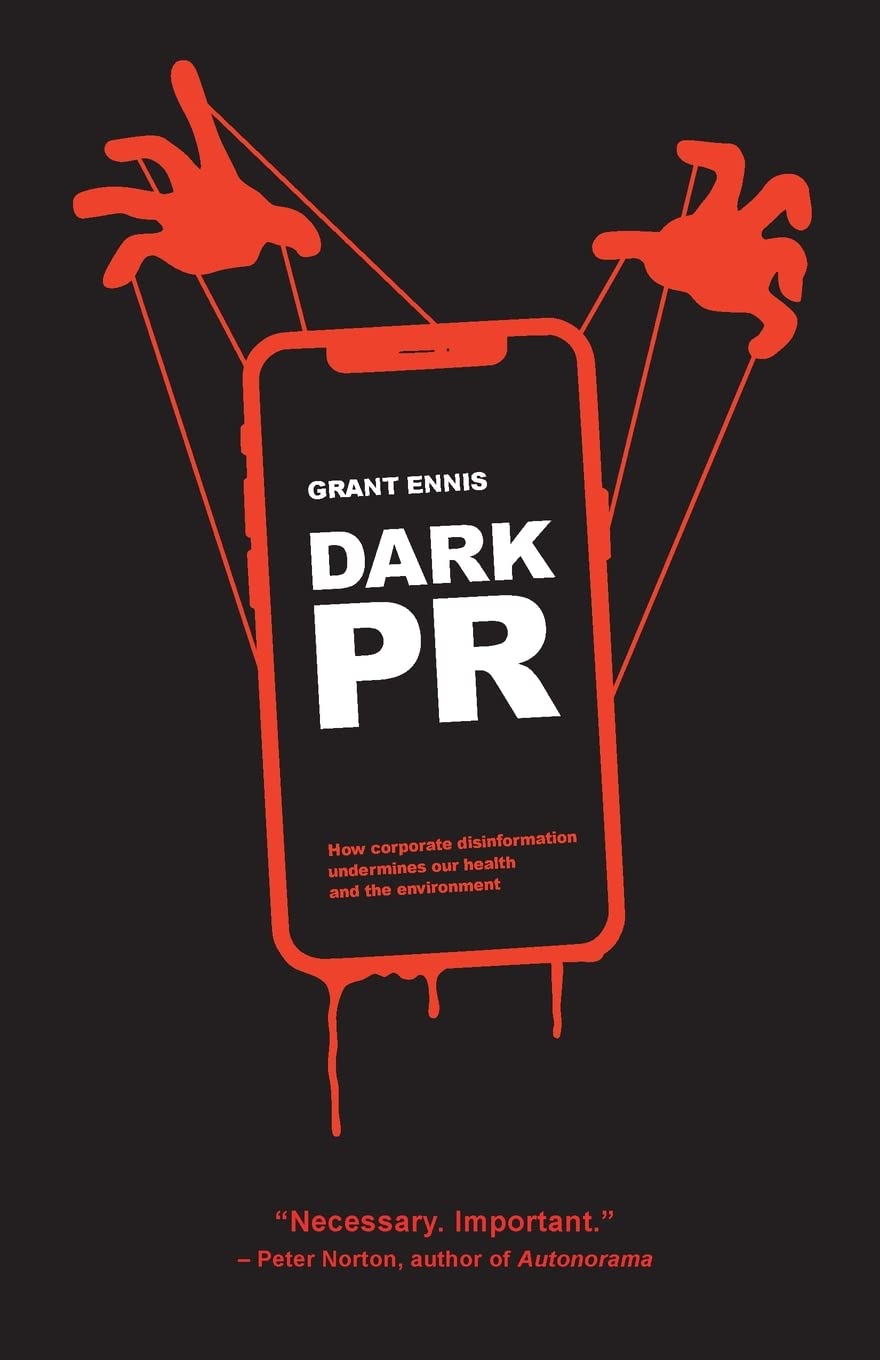
In Dark PR Grant Ennis talks about how corporations frame the narrative to their benefit. When a business gets a tax break or favourable land use codes we don't call it what it is, a government subsidy1. We normalize car crashes by calling them accidents and jaywalking was invented by car companies so they could own the road.
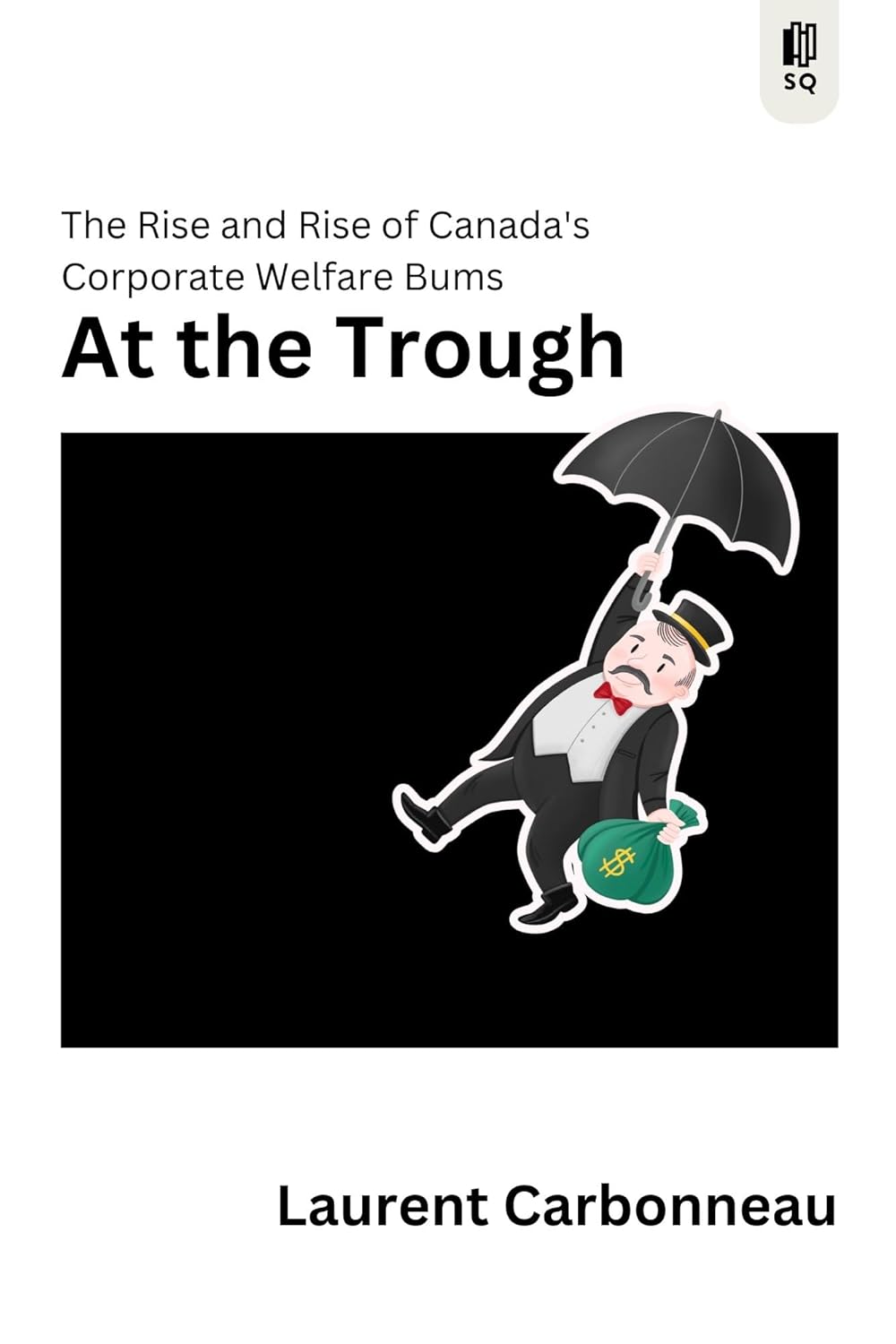
To stop the stranglehold companies have on us we need to stop subsidizing them and call it what it is, an industry of corporate welfare. Most government subsidies used to entice corporations to move manufacturing vastly overstate the benefit provided, but worse is that they more often outright fail2. Then, at least in Canada, the profit from a successful government subsidy end up heading out of country, deposited in the hands of shareholders who spend the money and are taxed where they live.
The single biggest step we could take to increase competition and stop companies from ruling our lives is to stop subsidizing them. If they have to invest their own money, they don't have that same money to lobby politicians. They will have to work harder to get laws past that help them at the expense of their users.
That's going to take organization though. Not just a one and done protest, but a concerted effort by many citizens to push the politicians already in the pockets of business to repeal pro-business laws, and enact laws that hold business accountable for the grift they've been pulling on consumers.
Loss of our attention
Our complete lack of attention is possibly the easiest one for us to fix on an individual level by changing how we interact with technology. For a long time technology was fun. Each new release gave us more autonomy over our lives and what we could do with our time.
Now each new release of a phone is merely an incremental upgrade in speed of a device with little that serves users. Operating systems like Windows have moved from helping us get work done, to pathways for Microsoft to sell us more ads in the operating system we already paid for.
Apple is no better with ads for their movies being pushed to users and constant red bubble nags faking urgency, but really just wanting users to pay more monthly for yet another service that will increase Apple's bottom line and juice shareholder value.
For many of us it no longer feels like our devices serve us. They don't get out of our way and let us do our work, or enjoy our lives. They are pathways to corporate profit.
If I had a tool in my shop that was a pain in the ass to use all the time, that sometimes didn't work until I had updated it, that wanted me to pay for a subscription again, and became obsolete every few years, I'd stop using it. My hammer is still as functional as it was 15 years ago when I purchased it. I pick it up and use it, then put it away once the job is done.
It's time to start treating our devices like this. Pick up your phone for the task you need it for then put it down again and walk away from it. Don't think about it again until you have a job that requires its use.
The Self-Made Success Myth
As I said last week, Social Darwinism is a disproved economic theory that says the strongest get rewards and get to spread their genes. This belief has led to the thought that meritocracy is the end-all be-all of success. The best will rise and the rest will fail, because they deserve it.
If you find yourself thinking that you're self-made, ask who paid for your food when you were a kid? It wasn't you.
Who pays for the roads you drive on? Yes you contribute, but it's not you.
You also don't pay for the schools in your city, or the full electrical infrastructure.
That one teacher/adult that believed in you when you were down has credit with your success.
If all these other people around you, and services provided by government made you who you are today you're not a self-made success. Yeah you probably worked hard, but if you said that you went to private school so yes your family did pay for school, that means you already started with a silver spoon in your mouth. You started with far more chances to fail than someone without resources.
Your success is more likely a result of luck, and that you could fail 100 times without losing the roof over your head. Someone living pay cheque to pay cheque can't fail 100 times, they may not even be able to fail once. They have to get it right and bring money in so that they can eat and have shelter. They can't take risks, because they have nothing to fall back on.
Start by recognizing that, and then when you hear someone say they were "self-made" change the words to "succeeded on the back of lots of money" because that's almost always the case. Elon Musk succeeded on the back of his dad's emerald mine, despite what Musk claims.
When you hear these claims, take a moment to check on them. Yes some people really did come from nothing and fought hard every moment to even get a shot and then became successful. Far more are like me though. My dad worked at IBM and made good money until about the time I moved out. Then he was laid off and never found a similar job. Today he's working class, but I grew up in a white collar home, with the largest house in a '90s suburb of Toronto.
I'm here because my parents could afford to spend the money on most of what I wanted to try in my youth. They paid for the start of my schooling after high school, it was only after my first year that I was truly on my own and had to pay my way.