Social media is one of the key ways we interact with each other. I get to talk to my friend Chris regularly about life and code. I never would have met him without the connections that Twitter let me make years ago. Twitter helped me build a business by allowing me to get my name out in the WordPress ecosystem which let me meet local developers, who then referred work to me.
For all the good that social media has brought me personally, I'm not convinced that it's a net good in society.
Facebook and Google ate all the ad revenue that used to support local journalism, so now we have news deserts which allows politicians to exert influence without fears of being found out. When there is no local journalist in your town that has the time to investigate what goes on in City Hall, corruption gets easier. Give that contract to your friend, no one is looking.
Social media is a mixed bag for teens with some good connections happening, but also plenty of time spent comparing your real world with the highlights of someone else. Boredom is viewed as a terrible thing to avoid, so we whip out our phones in every idle moment to see what the algorithm will bring us, harming the creativity that comes from idleness.
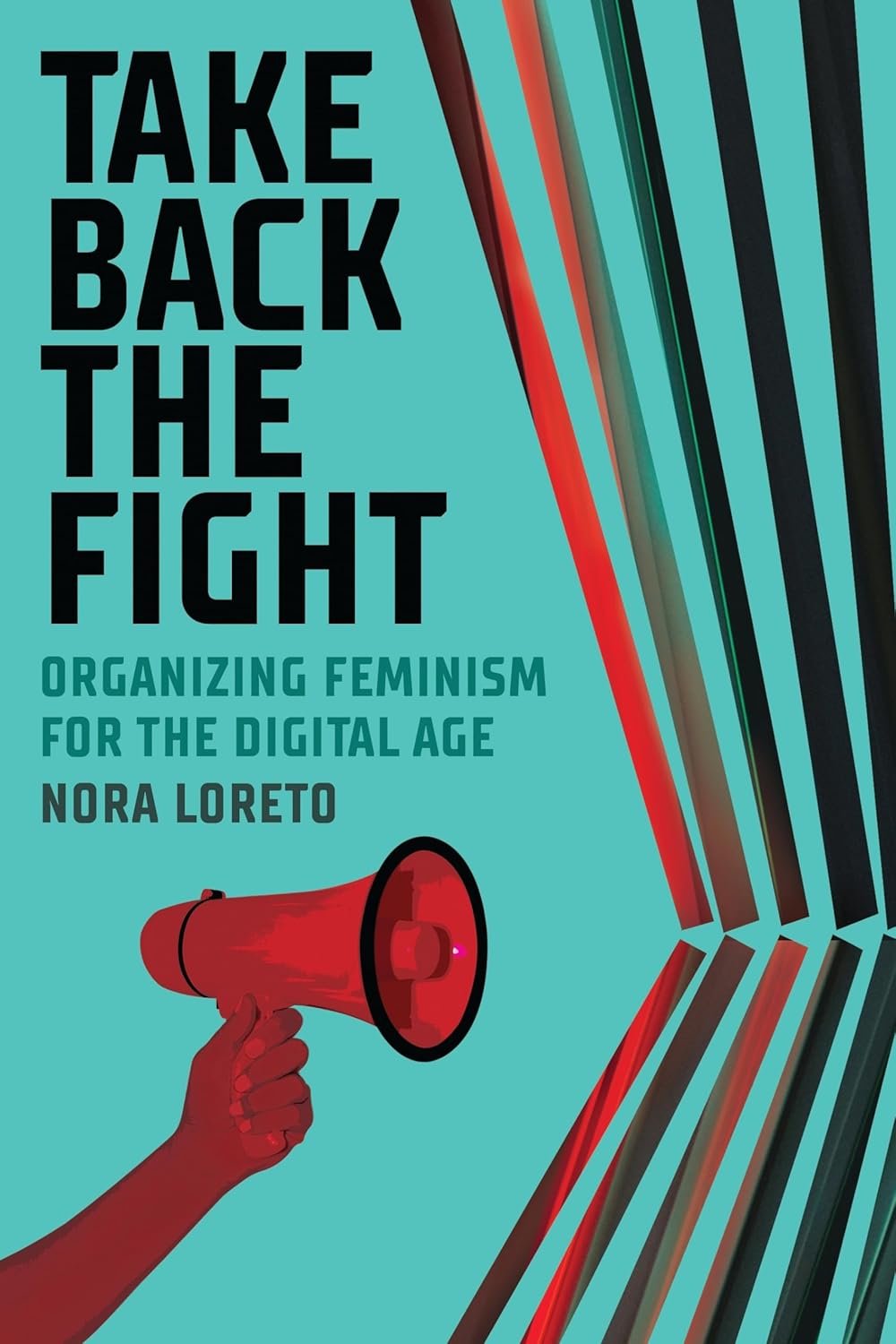
Take Back the Fight comes into this as we look at the trick social media and neoliberalism has played on us, making us think that a social media post in support of some cause is enough. We think that the whole minute we spent thinking of something pithy to say was all the time we had to devote to the issue. That this minute and the few digital bits we spent is as powerful as public resistance.
Sure that social media post was easy, but it doesn't have the same power as getting out in the world and showing your resistance. It's nowhere near the level of effort that a sustained campaign takes, but it makes us feel like we've done our job supporting a cause. When we default to an easy online action that affirms our inner dialogue that tells us we're a good person, the system rejoices because nothing has to change. When we're out in the street supporting a sustained campaign for change, the people in power get concerned because they may have to change.
Those in power want us busy so that we don't have time for thought and action. They want us so busy that we're grateful for the scraps they give to us out of their vast wealth. When we're busy, overrun with misinformation campaigns1, that parade of lies distracts us from the truth making it easy to drift into nihilism.
Nihilism is exactly what the budding autocrat wants. They want us to give up trying to find the truth in a sea of algorithmic engagement bait. When the powerful flood the landscape with lies about those who oppose power they want us to question if some part of it is true. They want us to give up on the leaders of movements that are forcing change. They want us to give up demonstrating. They want us to give in and say nothing will change, so why bother doing anything. They want us to send a flippant social media post and feel like we've done the job of resistance.
Loreto asks us to look at the MeToo movement and the lack of systematic change it was able to make despite being a worldwide phenomenon. Yes a number of serial abusers were removed from their positions of power. Some were put in jail and we are a bit better at talking about sexual assault. The system that tolerates abusers remains mostly unchanged though2. Victims still have to battle with police to be believed that the abuse wasn't asked for or agreed to. Many victims are still stigmatized after abuse, and spend years recovering without support. Rather than change society into one that no longer tolerates abusers, the onus is still on the abused to bring their story forward and to fight to be believed3.
That's one of the points of the book, that if we want real change we need to connect with a social organization and get out in the streets to show our resistance. We need to put our bodies on the line, email and write our politicians. We need to make them feel uncomfortable in the halls of power so they fear being overthrown and are willing to make a change to the system to help everyone, instead of just those with the money to lobby.
Effective action is uncomfortable, but it is the only thing that has produced change that lasts. Gains around women’s control over their own bodies were not won through low-effort expressions of support or fleeting public sentiment. They were the result of decades-long organizing: letter writing, sustained public demonstrations, repeated pressure on politicians, and countless conversations that forced society to confront whose lives were being constrained and why. That work was slow, contentious, and exhausting. But it's what worked worked precisely because it made the status quo impossible to ignore and the system had to change.