This is the final review for our book club. If you want the weekly posts you can join for free. October 2026 we will be reading The Small Stuff
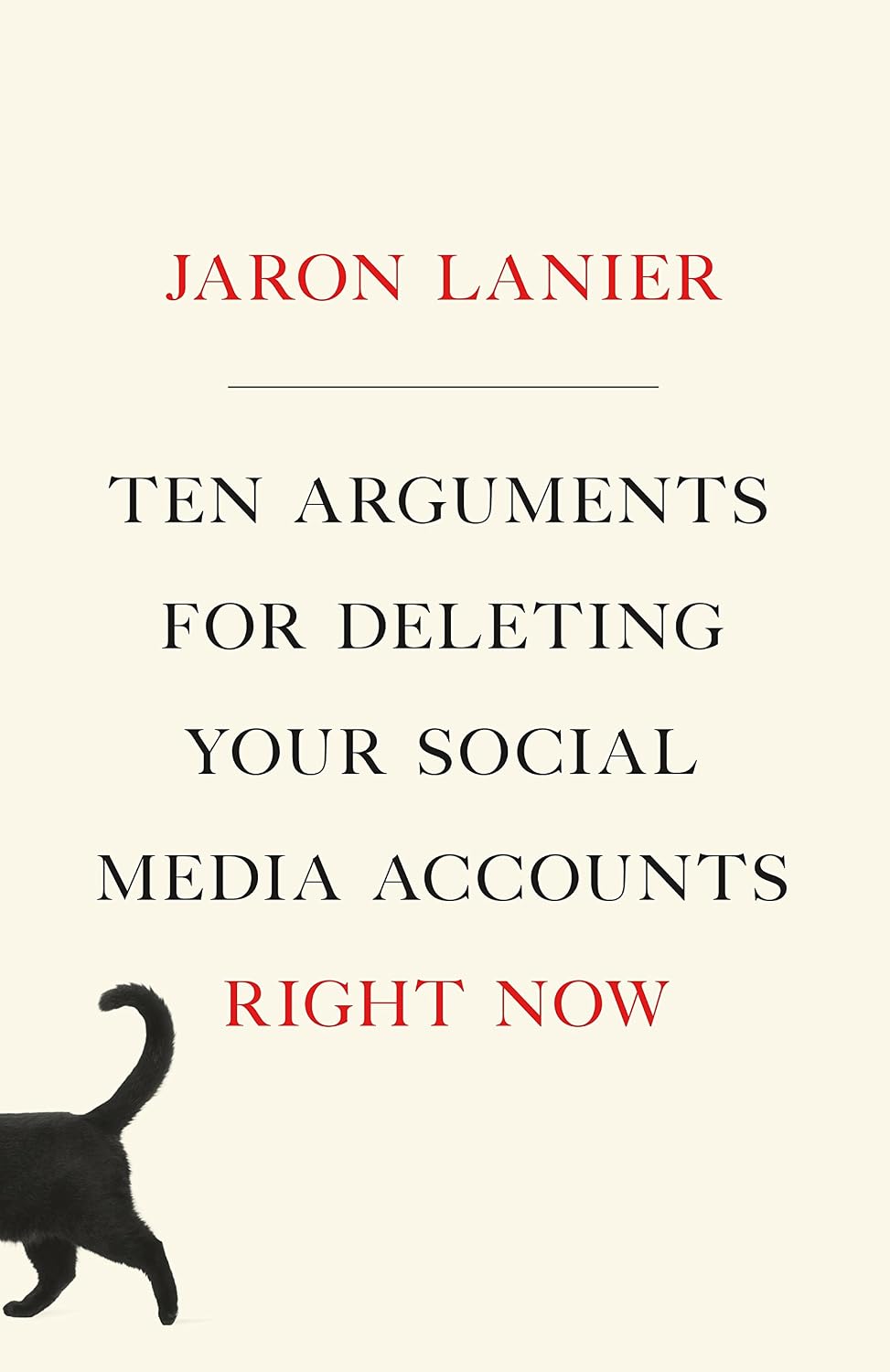
While Jaron Lanier's look at the impact of social media on our lives is from 2018, he did correctly see much of the corruption in our relationships that we encounter today. If anything he was unwilling to go far enough in his book, instead trusting in the rational thought of people that could stop the juggernaut that is social media companies and Big Tech.
In particular he gave Apple, Amazon and Microsoft a pretty easy time1, saying they don't get involved in the ad-based economy. These companies are well enmeshed in selling your attention at the expense of the quality of the experience they provide. Apple is quite happy to serve you ads in the App Store that lead you away from the specific app you just searched for by name. Amazon is delighted to take 50% of most sales in a pay-to-play scheme that forces sellers to purchase ads to make any sales. Microsoft possibly the worst as they're using their ad engine to load up their operating system with ads to purchase more Microsoft services. Now you purchase a Windows computer and despite owning it still get served ads that interrupt your work. You paid for the privilege to be served ads.
He did correctly point out that while Silicon Valley entrepreneurs talk a big game about disrupting every other industry, if you suggest disrupting their money faucets they start whining like babies about how unfair it is to be disrupted2. Quite recently OpenAI accused DeepSeek of improving their model by querying OpenAI's models. Somehow OpenAI forgot that they stole content from the rest of the web against the wishes of many in their complaint that DeepSeek stole from them.
Lanier also brought forward an idea I'd never thought about. It's not just that social media is targeting ads at us, he identified that we're conconsenually participating in a behavioural modification experiment. Tech companies use their tracking to change how we behave, and sell the right for others to change our behaviour without our consent. This isn't allowed in research venues, but somehow because a company is earning money doing it we overlook the harms that are perpetrated in the name of profit.
My biggest issue with the book is that Lanier doesn't provide much in the way of solutions. He simply expects that everyone will stop using social media if they can and that the social media companies will change how they collect data to get users back. I can't even look back at this from 2018 and think that he just missed anything; I think his view is too simplistic to affect anything.
Should You Read Ten Arguments for Deleting Your Social Media Accounts Right Now?
Yes, I think this short book is worth a read, even with no viable solutions for regulating Big Tech provided. If it helps you evaluate your usage of social media so that you become more of who you want to be3 then it's done a decent job. The less time we spend on social media, the more opportunities we have to talk to the people in front of us and build relationships in the real world.
Footnotes
1 Ten Arguments for Deleting Your Social Media Accounts Right Now Pg 109
2 Ten Arguments for Deleting Your Social Media Accounts Right Now Pg 103
3 Ten Arguments for Deleting Your Social Media Accounts Right Now Pg 45