Style: Non-fiction

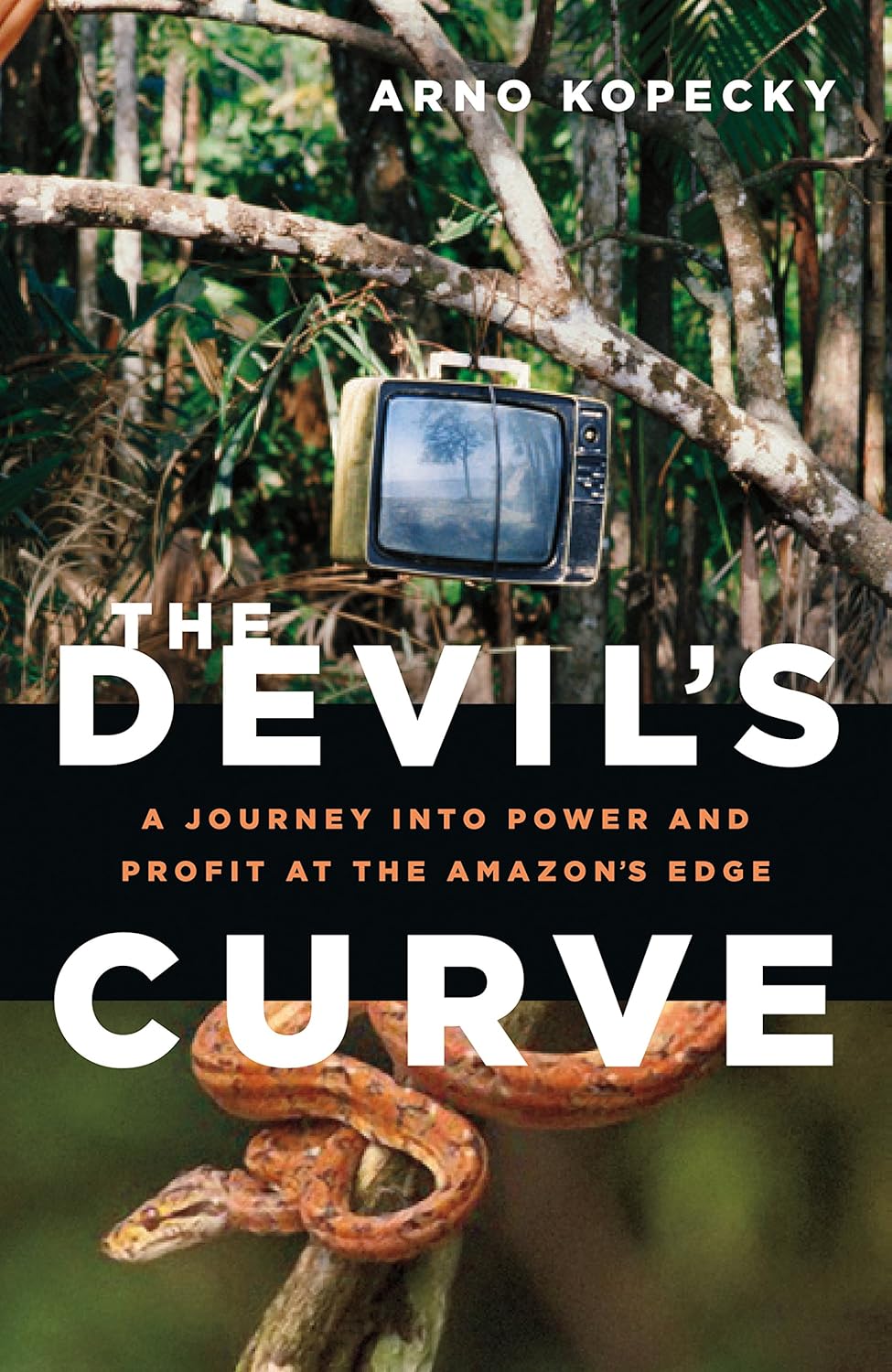
The Devils Curve – Arno Kopecky
by
What does Canada do with it’s mining interests on the edge of the Amazon? Arno Kopecky brings us a well researched book showing that we’re willing to destroy the land somewhere that’s not our backyard if it brings us profit. We’re willing to collude with terrible government regimes that violently remove their citizens as long

The Data Detective – Tim Harford
by
In The Data Detective, Tim Harford takes a good look at how statistics are presented to us in various mediums working to help readers develop the tools needed to evaluate the claims being put forward in society. If you’re going to follow one rule from the book, be curious. Don’t just take claims at face

A World Without Email – Cal Newport
by
Despite being a Newport fan, I’m not sure that this is required reading in the productivity genre. Newport does have some good ideas that you may be able to implement to cut your email workflow, but I don’t think he’s making the big leap in productivity that he feels knowledge work needs to see the

A Brief History of Misogyny – Jack Holland
by
Well researched and written walk through misogyny. One of the big notes relating to recent history is that we often fear Communism more than misogyny. We allow countries (like Saudi Arabia, Pakistan) to be our allies, just like in generations past you’d be friends with someone that beat their wife. The abuse of women is

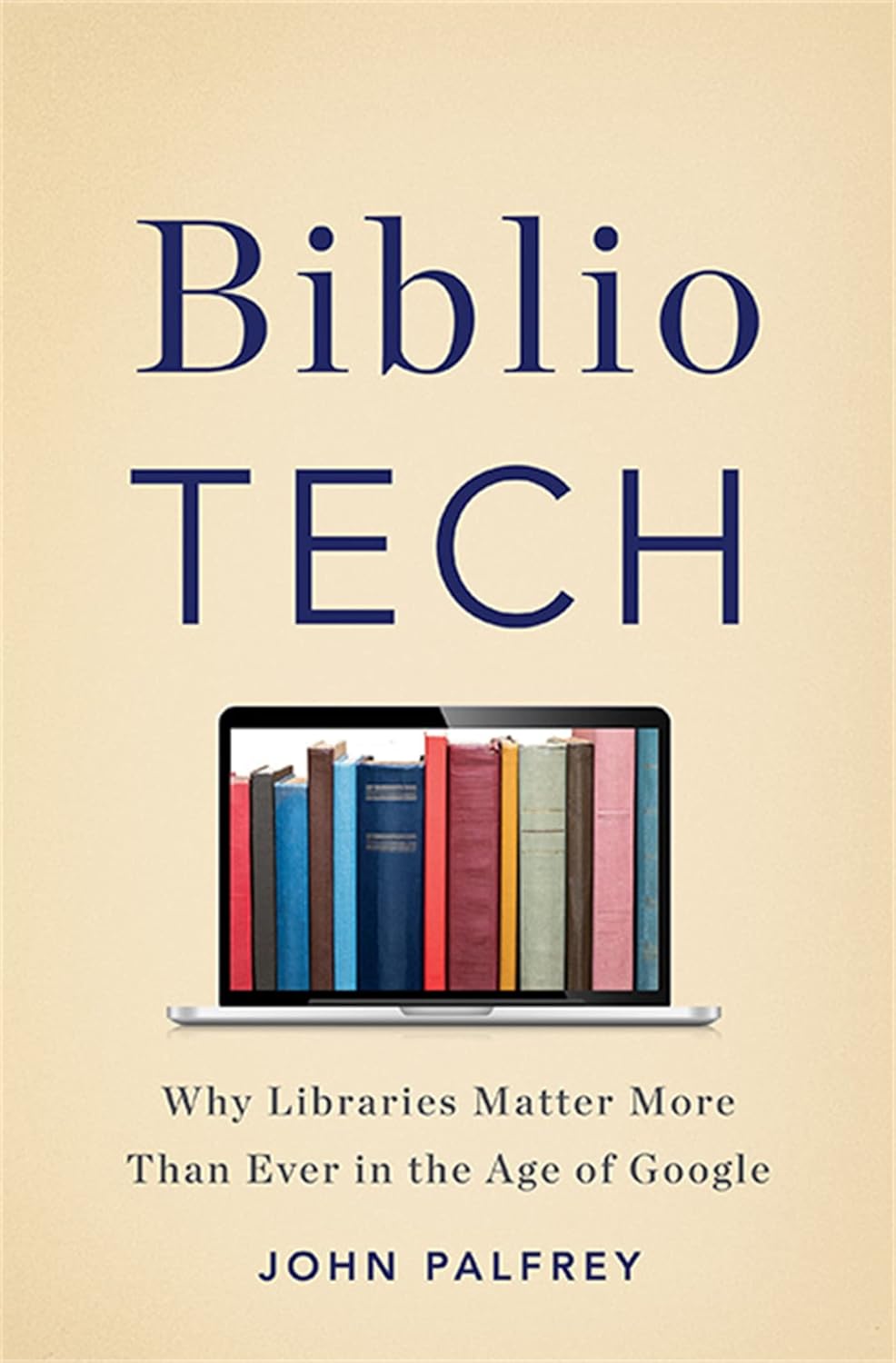
BiblioTech – John Palfrey
by
The author talks about the future of libraries and the problems they’re facing with having a future. I think he relies to much on a digital future, which inherently costs more as book publishers charge per borrow instead of a library just being able to purchase a book and lend it many times with a

The Case Against Education – Bryan Caplan
by
Bryan Caplan argues that education much past early high school is mainly to signal to employers that you’ll sit and listen like a good replaceable robot. Unless you’re going to teach, when was the last time that high school physics was useful (never for me)? So why do we require students learn all this stuff

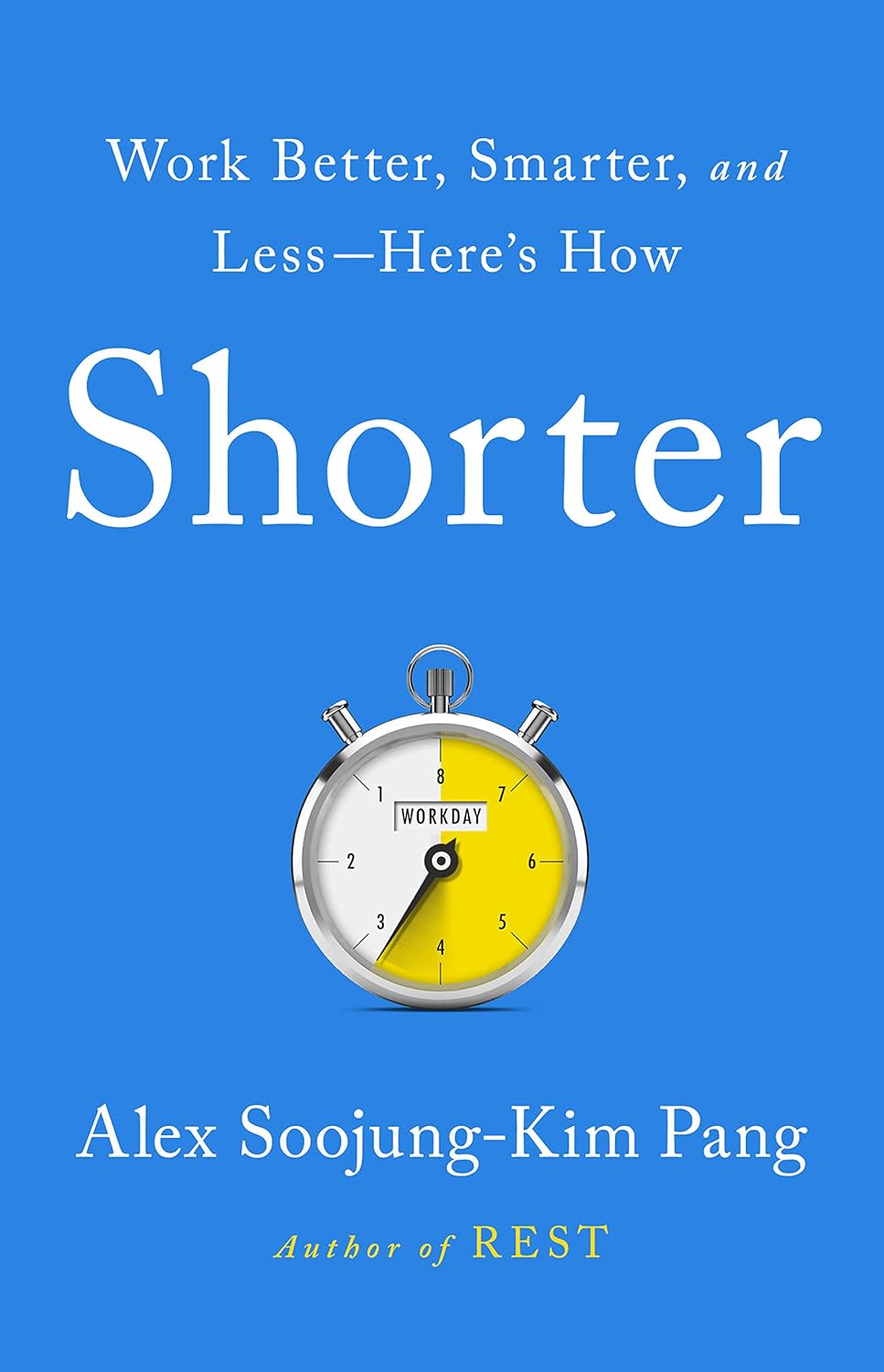
Shorter – Alex Pang
by
In Shorter, Alex Pang, takes a look at what it would mean to work a 4-day week. He uses real world examples, and hard numbers to evaluate if it’s possible, and comes to the conclusion that yes it is and no we wouldn’t loose a bunch of “productive” work time. We’d mostly drop the useless
Late Bloomers – Rich Karlgaard
by
Early success is over hyped according to Karlgaard, especially by teachers and parents. This focus on early success and specialization leaves kids in a bad spot, where they think they’ve failed if they don’t know what they want to do by the time they’re 17. But the research here, and in Range, says different. Embrace

You Are Awesome – Neil Pasricha
by
In You Are Awesome, Neil Pasricha works to encourage readers to believe in themselves while also highlighting how the lives we live today has caused us to loose the resilience of former generations. Not many of us have been through famines or wars or, let’s be honest, any form of true scarcity. We have it

Range – David Epstein
by
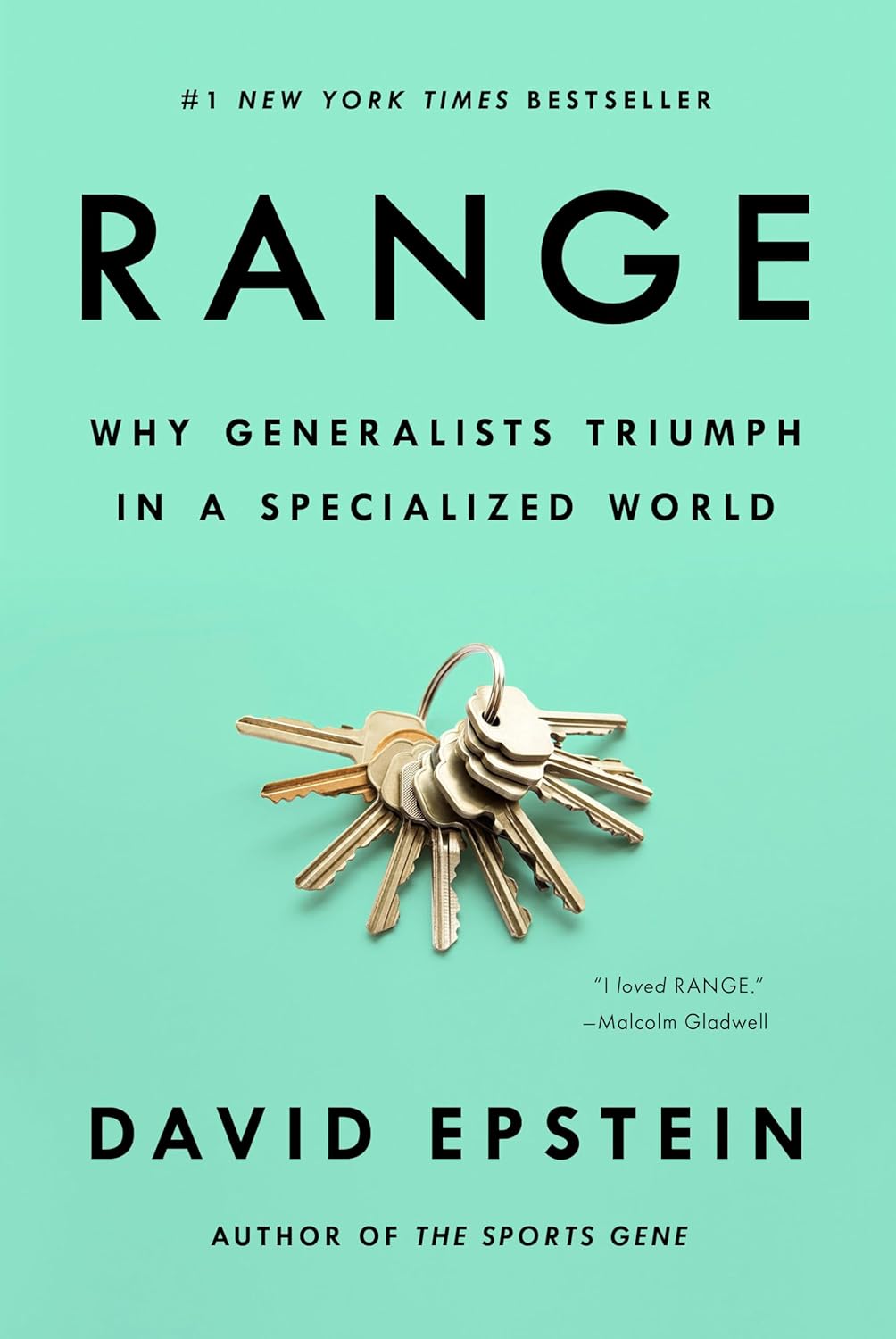
Is early specialization better, or should you have some range in your experience before you hone in on the thing you end up doing? That’s the question that Epstein explores in Range. I read this in 2019 and continue to come back to the ideas found here, specifically that early specialization seems to get you