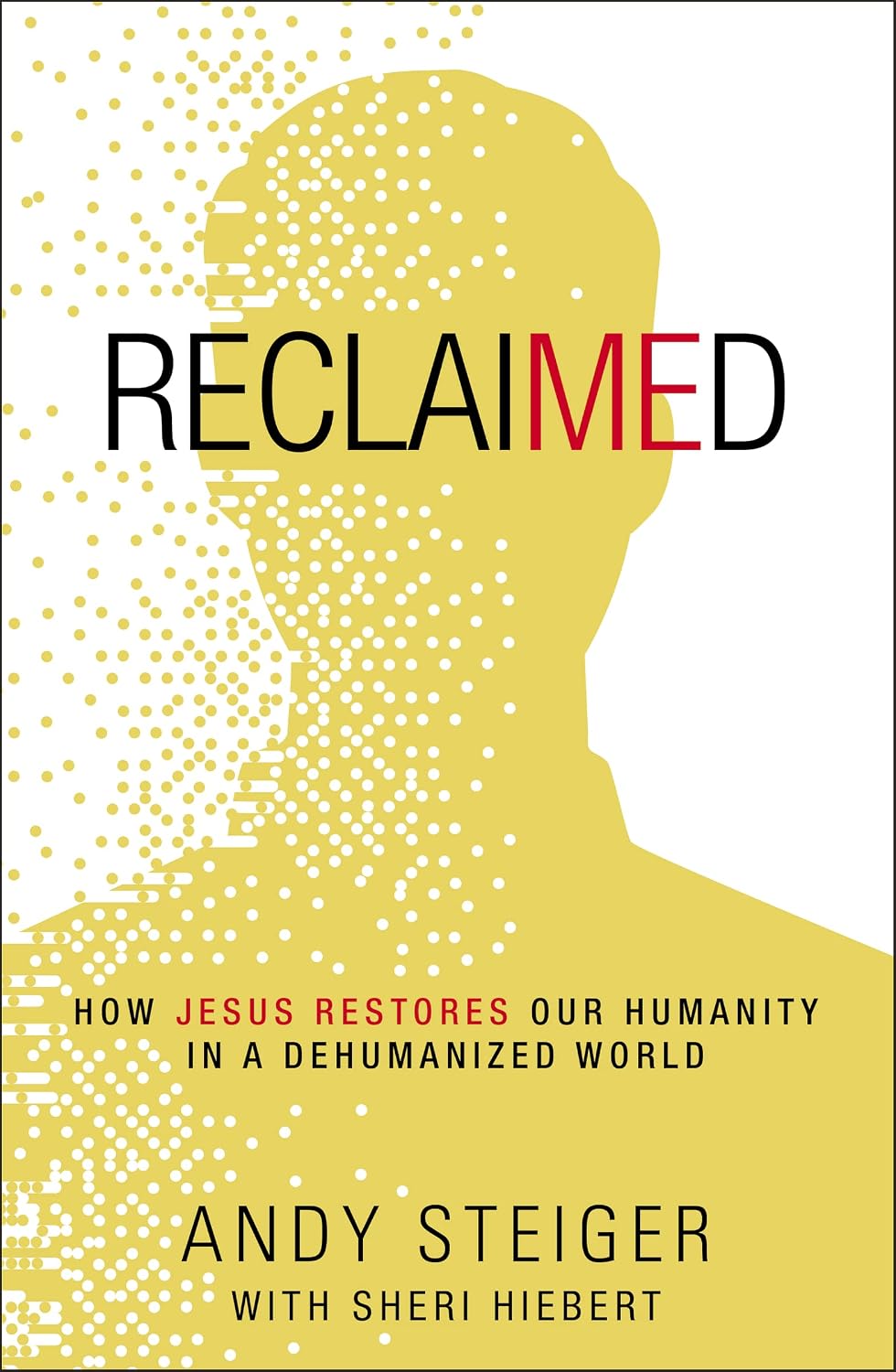
Reclaimed argues that our view of what makes us human determines whether we build a humanizing world or a dehumanizing one. Steiger's central claim: living without God leads to dehumanization, while restoring God to our worldview reclaims our humanity and the humanity of those around us.
The book is organized around four questions, each explored in a pair of chapters — What is a human? What is the value of human life? What leads to human flourishing? How should humans live? For each, Steiger contrasts a secular answer against a Christian one, arguing the secular path erodes human dignity.
His core move is that dignity must be inherent — something we are born with — rather than assigned. He points to the Universal Declaration of Human Rights, which recognizes dignity as a pre-existing reality it did not create, and argues only a Christian worldview gives that dignity a "backbone." Without God, he contends, human value becomes something decided rather than imbued, and therefore something that can change. He traces where changeable value leads: dehumanization through slavery, eugenics, Nazi ideology, and the modern internet's ability to erase another person's humanity.
Steiger also targets technology and relationship. Outsourcing connection to machines, he argues, outsources our humanity and makes us more machine-like. True flourishing, in his view, comes only through relationship — with God and with each other — and any other priority ultimately dehumanizes.
The book leans heavily on the assumption that humans did not bring themselves into existence and that meaning cannot be purely physical. Readers who grant those premises will follow easily; skeptics will find the foundation soft, since much of the argument rests on accepting the framing before the case is made.
- Purchase on Bookshop.org - support local bookstores
- Purchase on Amazon