The abundance we live in should mean that we have time to write, read, or do whatever we want. For many though under the abundance lurks the truth that they want to be a famous author, not go through the pain and sacrifice of writing. When the rubber meets the road, doom scrolling is what we choose.
Today we're looking at how abundance removes our excuses, my questions about tools for writing, and why most of the productivity hacks you read about won't work for you.
Abudance removes excuses
Because abundance dismantles excuses. You can no longer say, “I would write a book if only I had time.” You have the time. You waste it on screens. You can no longer say, “I would be happy if I had choice.” You have infinite choice. And the paralysis of choice crushes you. - Abundance Now
It’s true that you have time to do pretty much anything you want; you use it poorly. The issue here is that we easily fall into the thought that you get what you deserve through your effort—what billionaires want us to believe, so they can justify hoarding wealth while others starve. Those who starve or are homeless are blamed for not acting “productively” enough.
You have personal responsibility in how you choose to use your time, and you have more knowledge at your fingertips than any generation before. You might even have more free time. That doesn’t mean we’re all wholly self‑made or that we get what we deserve. Almost every hugely rich person came from fairly rich parents who helped them along; they are not truly self‑made despite their claims. If you don’t have those rich assets to fall back on, you can only make a big bet once, maybe twice.
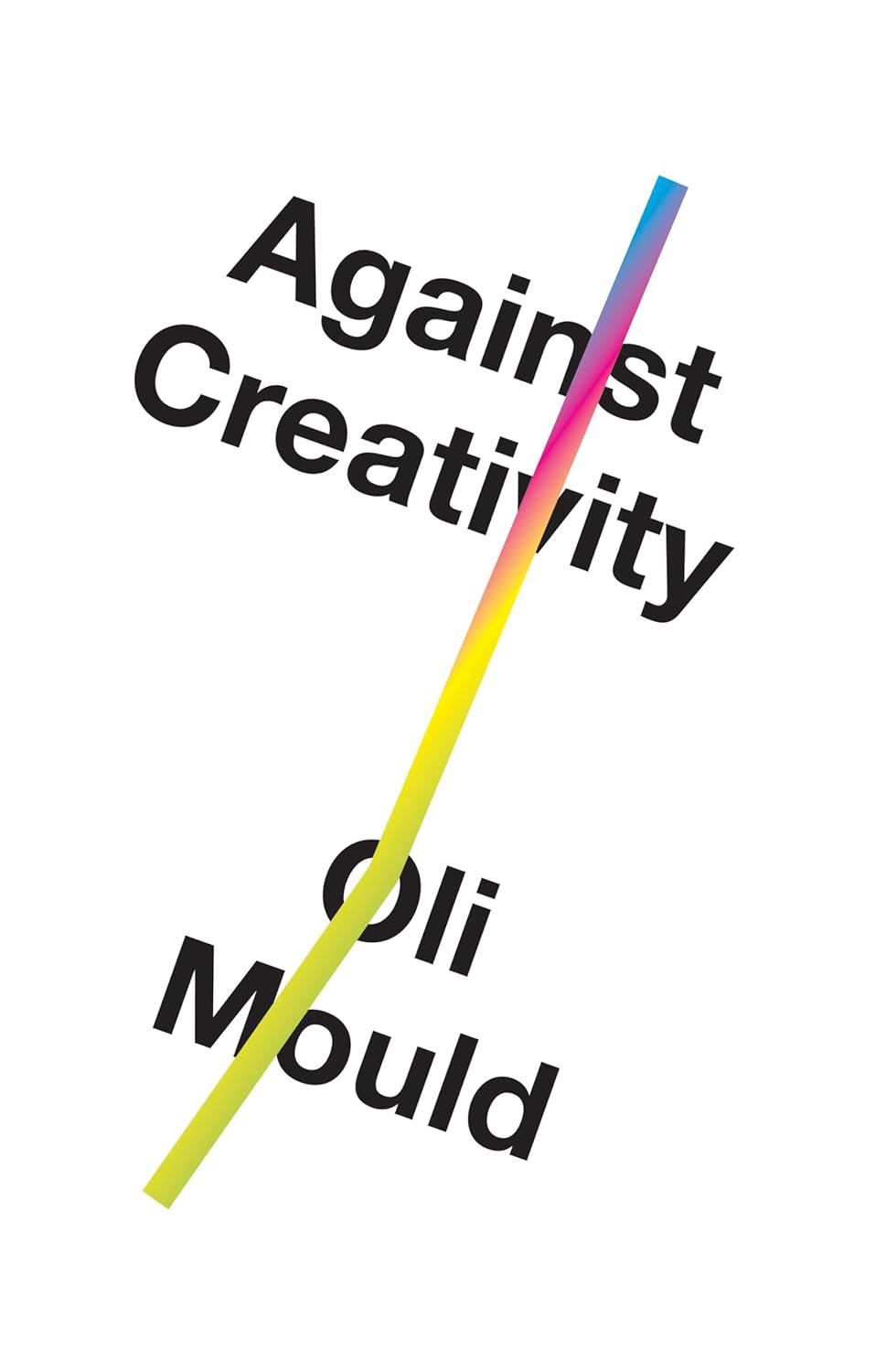
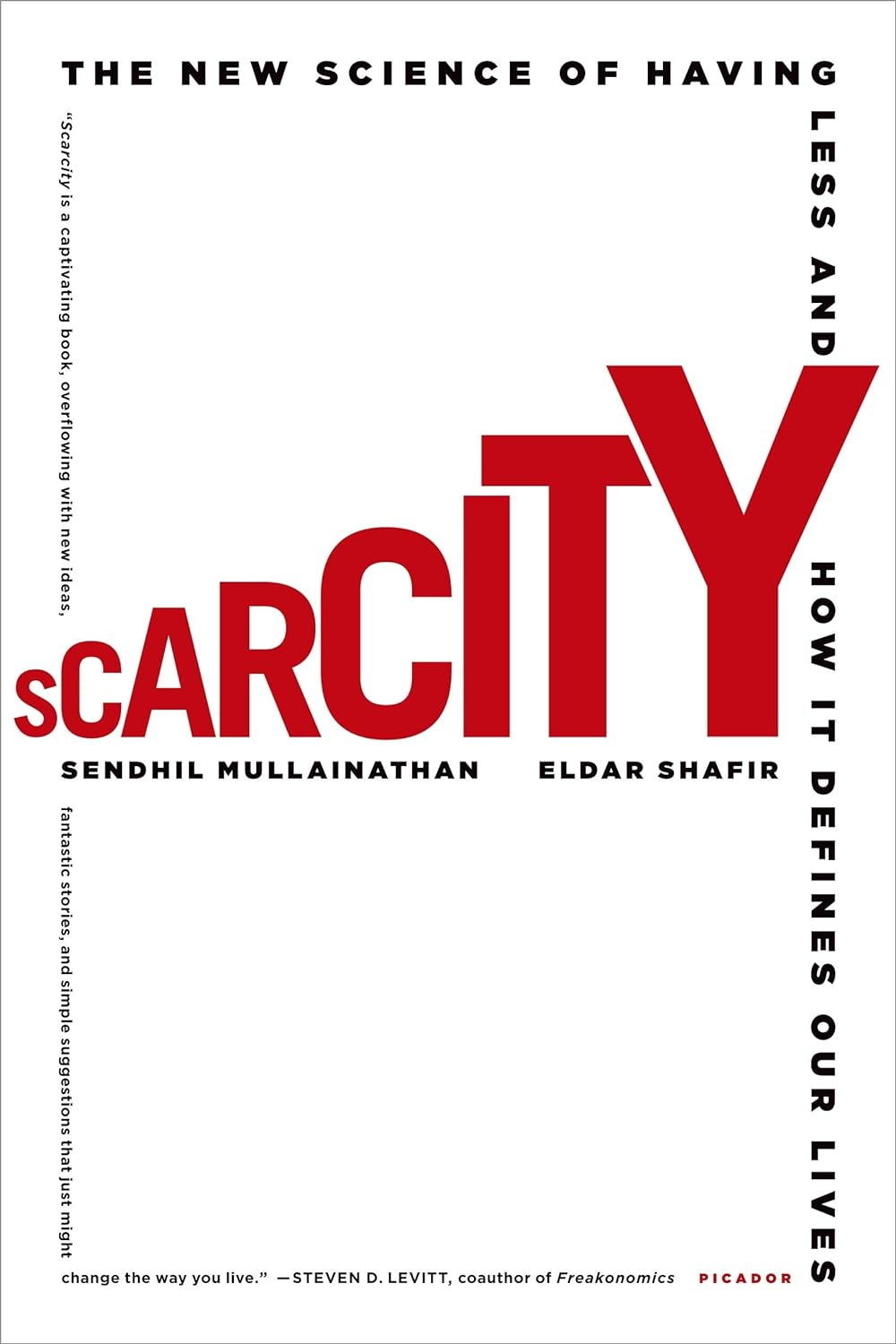
Against Creativity addresses this idea as it looks at our attitudes to poor people when society often says that they don't succeed because they're not creative enough. We completely ignore that because of financial scarcity they simply don't have the opportunity to be creative, or take risks. A single failure continues the scarcity trap1 which reinforces the precarity of those with few assets to begin with.
They simply can't take the risk because any chance of failure means they move from living pay cheque to pay cheque to living in the street.
The rhetoric of personal responsibility for every single thing that's happening to us in our lives almost always goes too far and really only applies to those with large financial safety nets that can afford to risk.
Writing Books
While I've written a few books, that was in the days I was on macOS and I used Scrivener for writing and Vellum to finish formatting for print and digital copies. Now I use Obsidian for my notes and writing and hope the Longform plugin can be a replacement for Scrivener, though my usage of Emacs has me looking at other tools like Emacs writing studio.
My main needs are a decent writing interface, which both Obsidian and Emacs can provide, and good export options to make an .epub along with .pdf versions for users to download with purchase. While I've used Longform to do some longer writing pieces, I haven't played with moving that Markdown based writing into something that's suitable for print.
I could also do my writing initially in Obsidian, then once I've been through some drafts go to Emacs and org-mode for it's print formatting via LaTeX.
Here are a few options I'm going to look at before I start writing again.
Any recommendations for me before I embark on this process again?
Use Productivity Advice from someone like you
I'm a 45-year-old father of 3. My wife works evenings so I do all the running around of children to activities. I do most of the cooking, 99% of the laundry, and then take care of the cars and home renovation projects. I get paid well as a developer, but I'm unlikely to ever become a millionaire.
Looking around at my bookshelf for books that talk about productivity most of them aren't by people in the same position I'm in. Many of them are from some guy (yes most are by men) that has a bunch of money because they sold a company, or got lucky, or their parents had money and they fell into it. Their life is far different than mine, yet I read the books to glean some insight into how I could do better.
Joan talked about this tendency to follow billionaire inspired productivity advice and how their lives don't resemble the lives of most of their readers. Yet we read the books in the vain hope that billionaire success can be reverse engineered from the habits they use now that they're billionaires.
Productivity advice should be treated as an experiment, not a commandment. Try it if it suits your context; discard it if it doesn’t. More importantly, look closer to home for your models. How do people in your own life manage their obligations? What systems have you already built unconsciously? What can you learn from the folks who live like you? - Why Billionaire Productivity Hacks Won’t Work for You
I like that final advice, and also give it. I tell you what works for me. Try it out for yourself. Keep what works and discard what doesn't. Following my advice blindly is a bad idea.