This week we'll take a look at the scarcity that too much of a good things brings, why the productivity system you imported from an influencer doesn't work, and then some book recommendations.
Too many inputs bring scarcity
Think of those challenge games where a ball runs through a metal track — like a miniature roller coaster — and a participant must grab the ball as it exits a chute and reintroduce it into the track. The participant, who has one hand tied behind his back, loses the game if he drops a ball. A new ball is introduced into the track every few minutes, making the challenge increasingly difficult. One ball is easy to manage. A second complicates the game a bit. A third requires concentration. A fourth… there’s always a breaking point. One ball too many ensures that all the balls fall to the ground. Now imagine the balls don’t get introduced on a predictable schedule. And instead of falling out of one chute, they can fall out of one of several and often at the same time. This is the world we find ourselves in, a challenge game that is impossible to manage, much less win. - Inputs and the Information Firing Squad
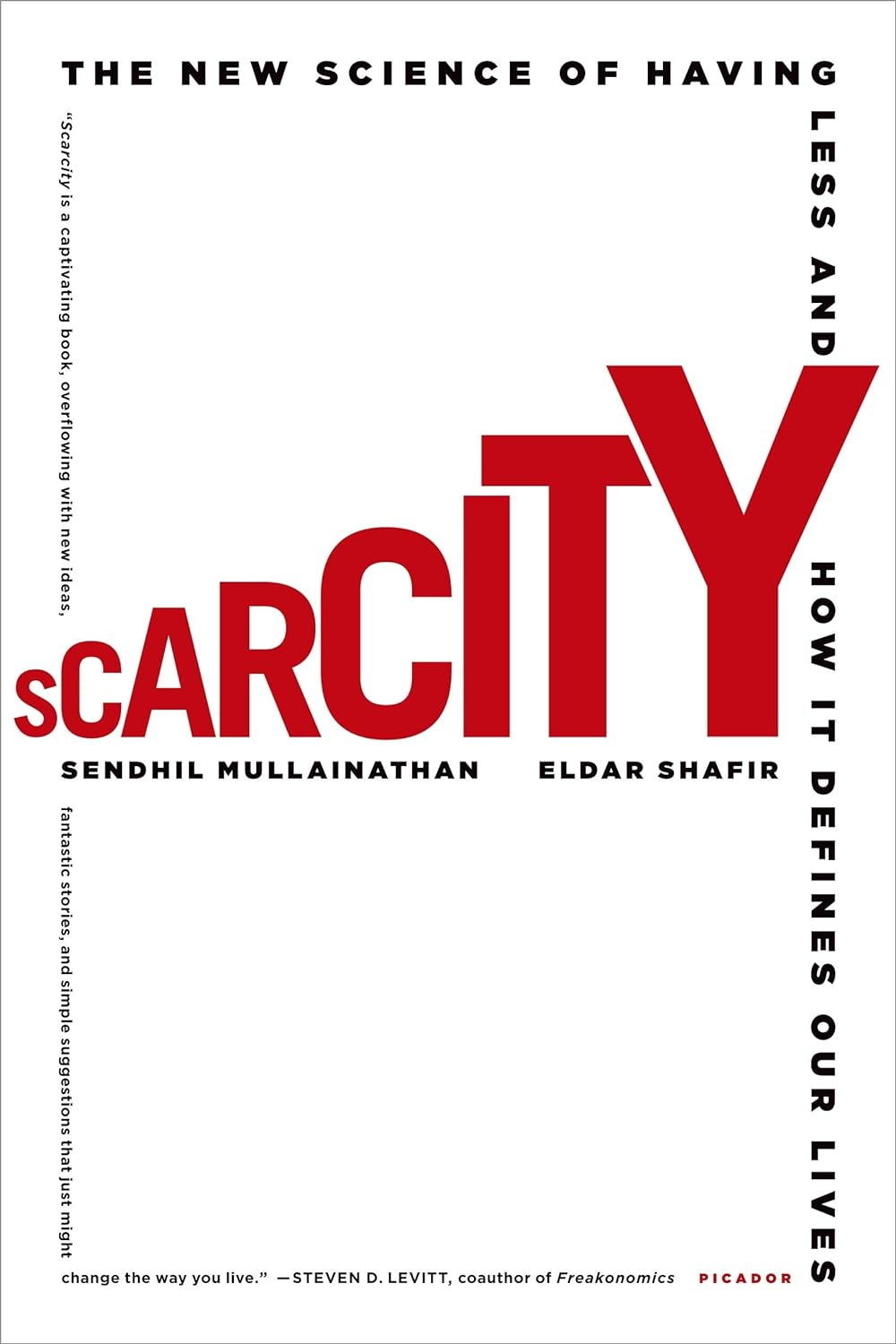
Jeremy is talking about scarcity, specifically the idea that scarcity captures the mind1. When we're captured by scarcity our attention is captured. The benefit to this is the focus on a particular problem, but when we're captured by a bunch of shit being thrown at us all the time there is no good to be found. If there is monetary scarcity, it's good to focus on it and resolve the problem, even if it does cost us in a broad sense2. Once the problem is resolved we can focus on the balls that got dropped.
When we have a scarcity of attention, rest, breaks, downtime, there is nothing but cost. Though a firehose of information is a tactic used to keep us off base so that we can't deal with the real problems happening in society. To those pushing the firehose, our lack of focus and increase in scarcity might just be what they're hoping for.
Complexity and Simplicity
A system should be a minimal viable product when you start it. You add only the parts you need to get it going and then nothing more. You don't add 6 things some influencer says you must have in your task manager, because you don't need them.
I don't remember hearing about Gall's law, but thanks to Jamie I've been reminded and turns out I did have a note on it already thanks to Nick. To quote my note directly:
Every functional complex system emerges out of a simpler system that worked first.
In other words, go with something simple instead of trying for the best end complex system that's being recommended by someone online that's not living your life.
This is where many people fall down with their notes or their productivity systems. They purchase a book or watch a bunch of videos on someone's complex system that they built up from something simple. Then the watcher replicates the complex system whole cloth on top of their life, but they never start with the simple version they jump directly to the complex version.
No wonder it fails, but given influencer productivity/notes culture we can always blame the watcher for not doing it right. It's their fault so they look around for another hot system and repeat the pattern.
While I don't do many Obsidian videos anymore, I always say that you should take what I do and keep what works…toss the rest. I can only tell you what works for me.
Book Recommendations
Lou had two good posts recommending books. First he recommended a set of books the hijacking of American Christianity. Second he recommended a set of books talking about economics and kleptocracy.
I have nothing to add to the first list, but I'd add a few to the second list.
-
Autocracy Inc (this month's book club book)
-
The Big Fix (takes a look at Canada's monopoly laws)
-
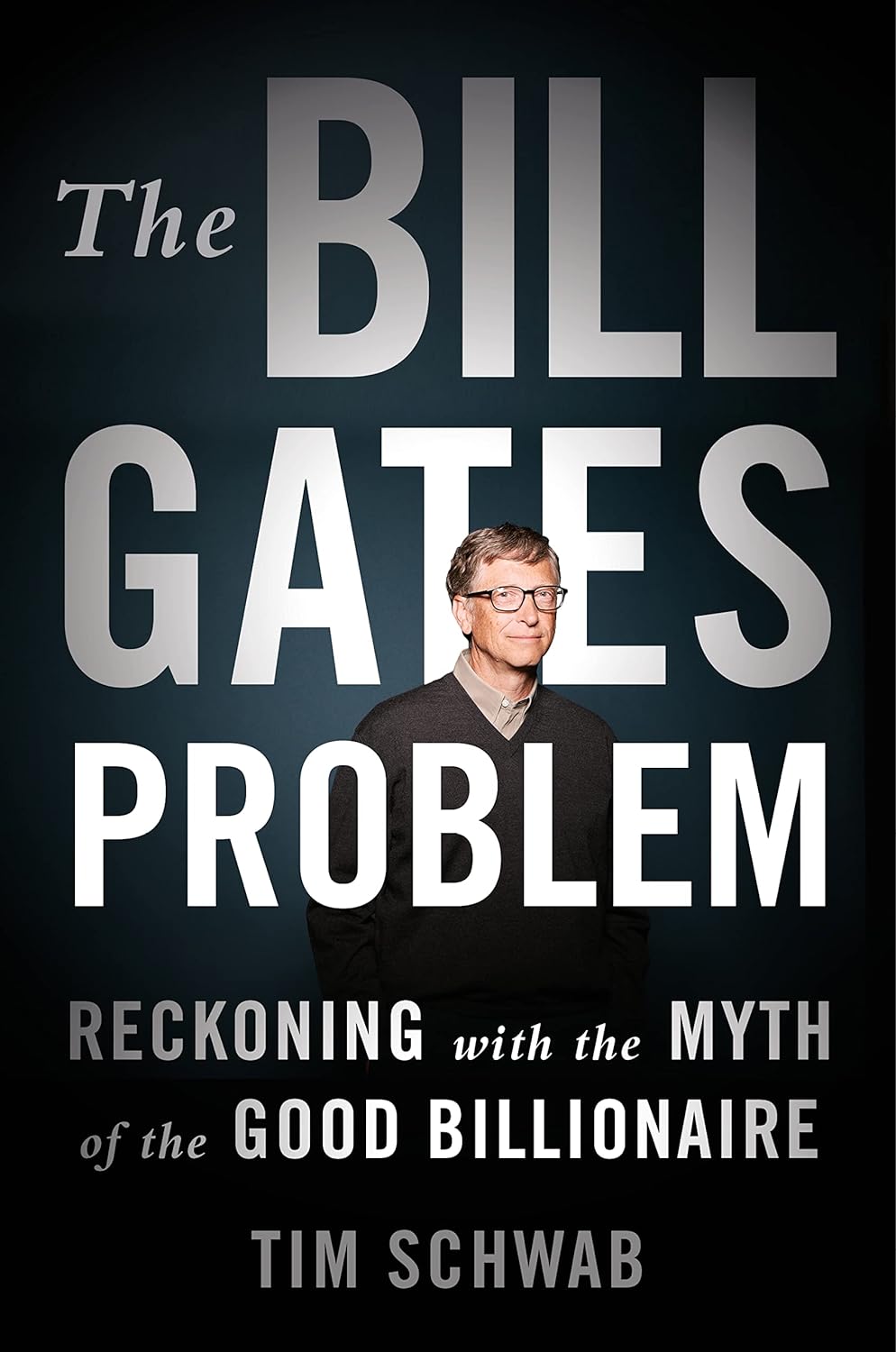
The Bill Gates Problem (Bill Gates is an oligarch who creates problems in many fields)
-
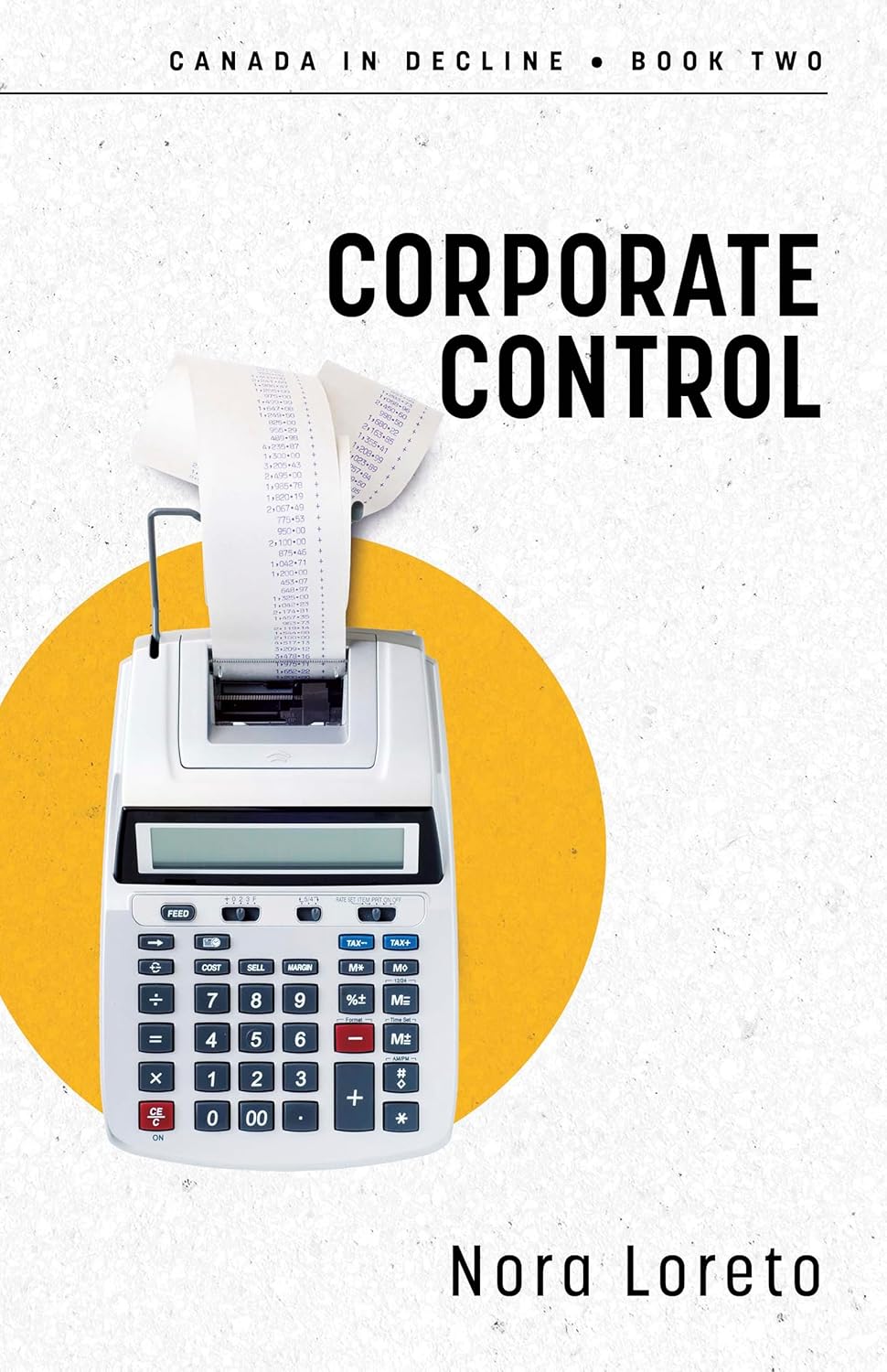
Corporate Control (another book that looks at how corporations run Canada)
-
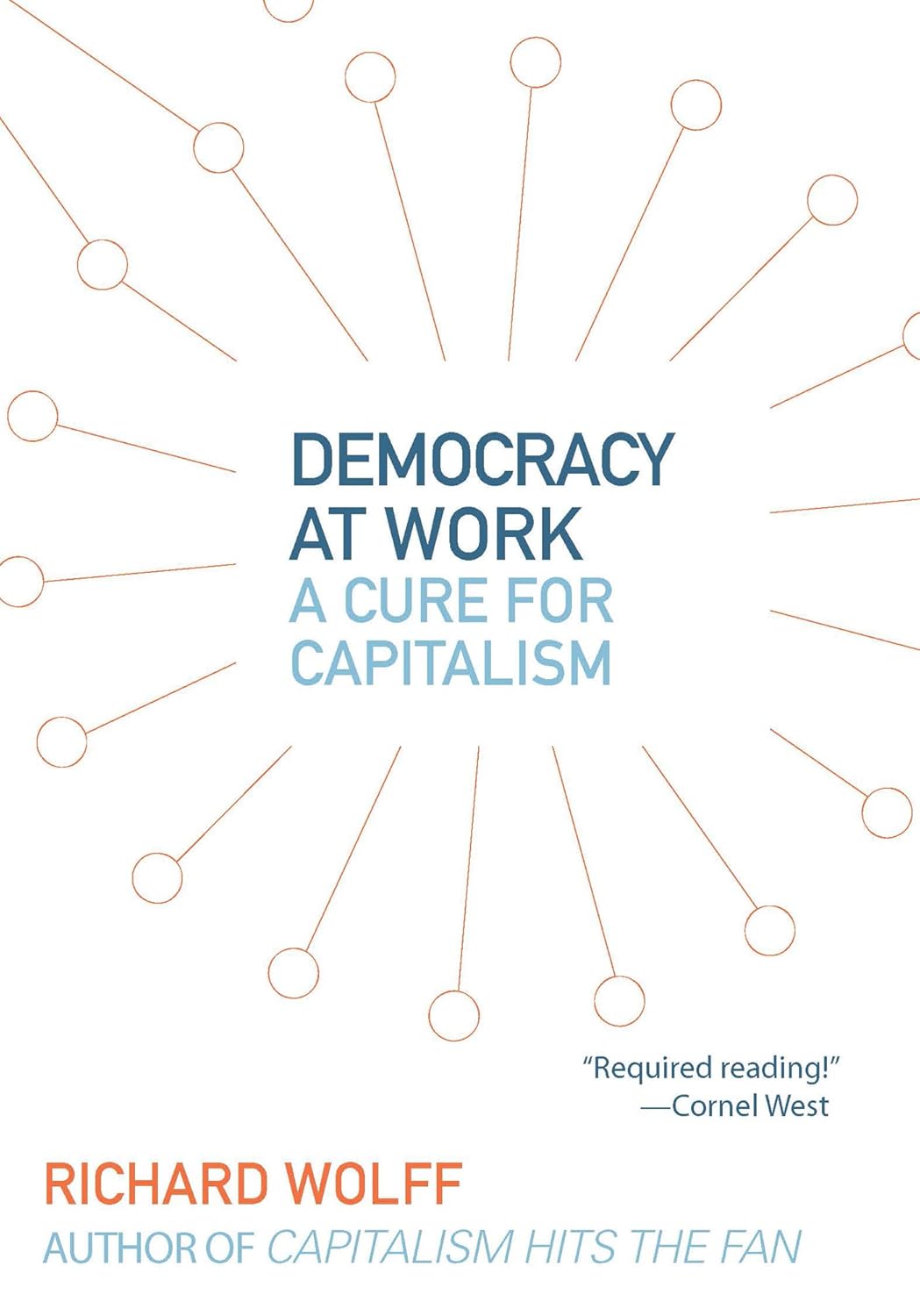
Democracy at Work (what if we really did democracy instead of just rich people running things)
Do you have more recommendations?