My artistic monster is Neil Gaiman who was accused of sexual assault (archived version). I was sick to my stomach reading the accusations, because I love Neil Gaiman's work. I've listened to many of the stories in the car with my children. We trade quotes from his books a few times a week. I own multiple copies of some because the illustrations in each one were so good.
Could I still enjoy Gaiman in the face of his horrific acts? If the charges are true, what does that say about me, that I could enjoy the art of a monster?
Now that the charges are dismissed or found meritless can I enjoy his writing with a clear conscience?
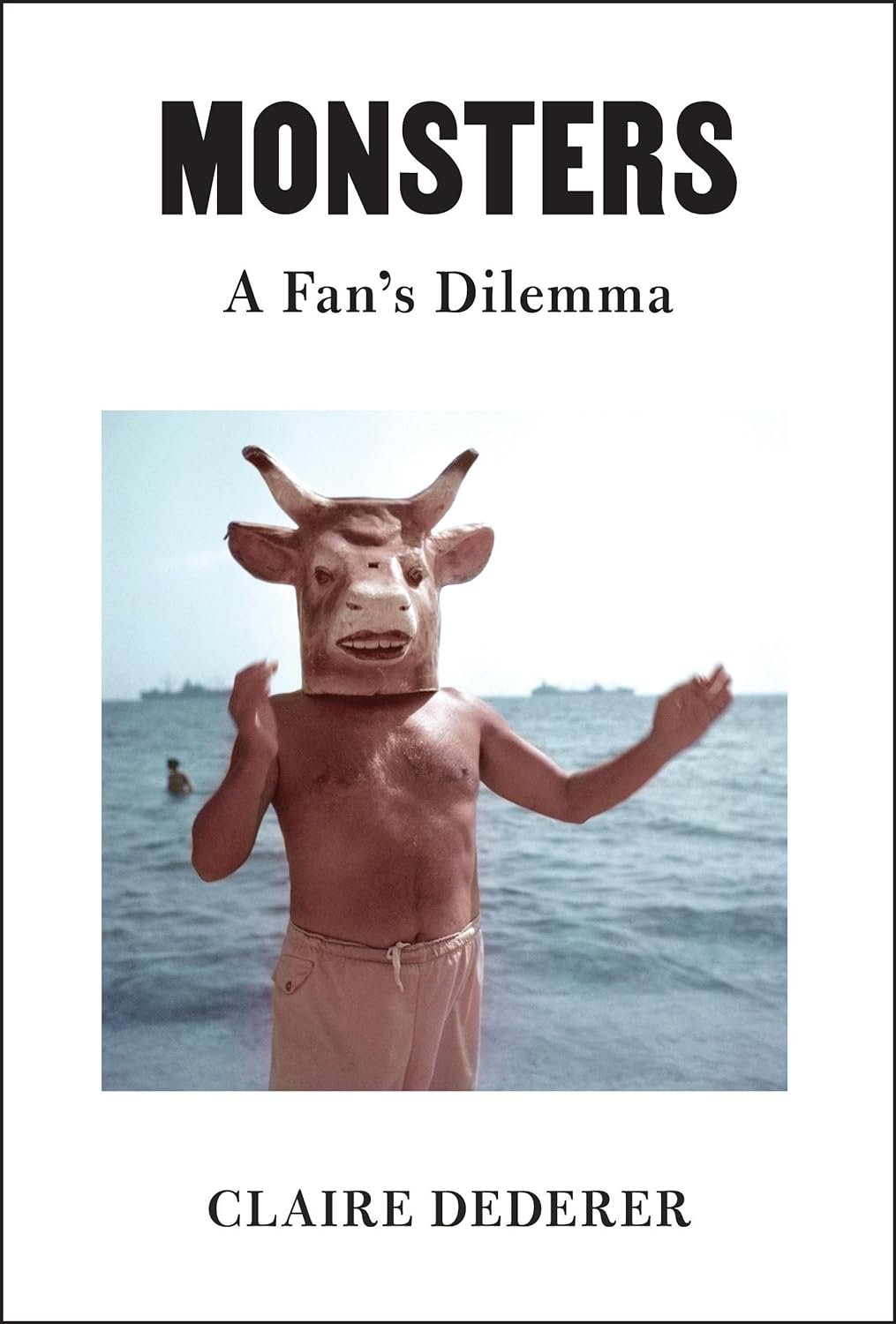
It's with these thoughts that I came across Monsters, a book that explores how fans deal with loving the art of someone that's done something terrible.
Can Art Stand Alone?
One of the arguments made for art is that it should be separated from the artist, that it can stand alone and be appreciated1. But that's not how art works for most, we entwine our feelings with the art. Our history has been shaped by the art, thus we wrestle with personal feelings of being tainted when the artist commits acts that we find disgusting.
With Gaiman, fun times with my kids on the way to ski days are wrapped up in my feelings towards him and his writing.
According to Dederer, the claim that art stands alone is easy to make for men and especially for white men, because their worldview is the default view2. Men can see how another man would want to have sex with a bunch of women, so they give that monsterish man a pass, many secretly knowing that if they had the same power to bypass consent they'd perform similar acts of "consensual" sexual encounters.
Rape culture is a real phenomenon3 that makes it hard to even get police to look into accusations. Society vastly overestimates the incidents of false accusations of sexual assault4 with 1/3 believing that women complaining about sexual assault is a bigger problem than actual assaults.
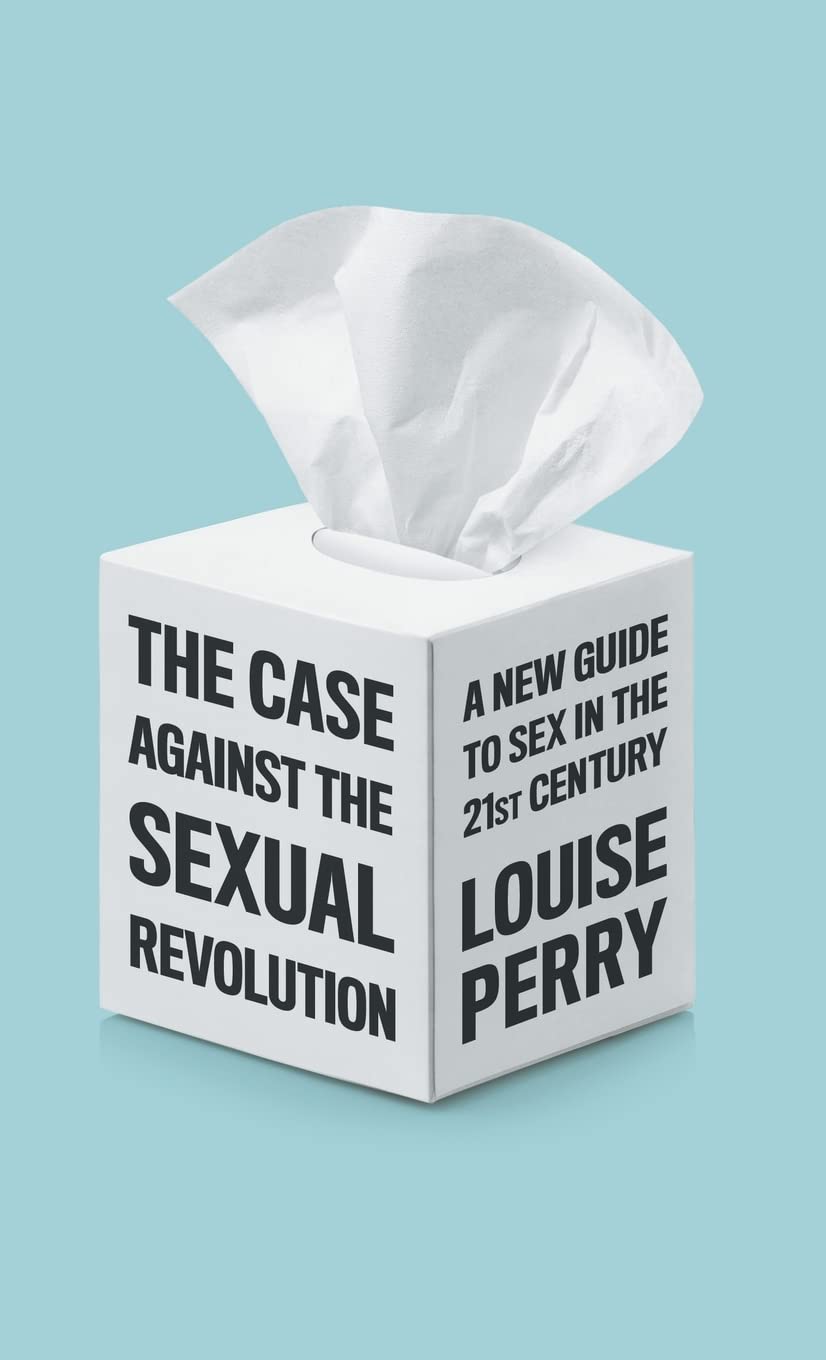
In a world where this is true, is even the exonerated man truly free from taint? Did Gaiman's fame mean that consent was more a figment of imagination than two adults entering into a relationship without other influence hanging over it? Louise Perry would argue that consent isn't enough5, that men with power are often predatory and the normalization of continued badgering for sex leads women to feeling like it's normal to finally give in, even when they really don't want the sex on offer.
Perry even takes it a step further to say that the kinds of sex described between Gaiman and his accusers can't be consented to. That women say yes to sex that degrades them when a man has power, because the sexual culture has warped the meanings of sex and normalized that which should have never been mainstream6.
So even though the women consented to the sexual relationship with Gaiman, I'm left wondering if consent was possible after spending time reading Louise Perry's arugments about domination style sexual conduct. In that case, even though he has been found exonerated, can I believe that he's blameless?
What if the claims were false?
Reckoning with my love of Gaiman's writing brought me to this long investigation of the accusers and the journalistic practices surrounding the accusations and it appears that consent was obtained. This consent could have been freely given because no one was really so reliant on Gaiman that saying no would have jeopardized their ability to have food and shelter. That despite my dislike of some of the sexual practices that happened, it was two adults freely entering into sex.
Even with this knowledge in hand, I have an odd feeling when I look at Gaiman's books on my shelf. His art remains stained in some way7 and that affects my enjoyment. I haven't read any of my Gaiman books since the original story broke. I stopped watching Sandman and never got around to buying his other shows on Blu-ray to add to my collection.
Yet, I still watch Kevin Spacey movies even though he may have engaged in sex with minors and has also been exonerated like Gaiman. I just watched K-PAX which I enjoyed on what is likely my 15th rewatch.
Maybe because my enjoyment of Spacey's art doesn't intersect with fun times with my children it doesn't get the same taint that my interactions with Gaiman's art does. Thinking of Spacey's work I don't also think of laying in bed with my children cuddled up connecting. Spacey's work was enjoyed on the couch with my wife, another adult who I'd already spent years establishing a relationship with.
I'm leaving this question unanswered, just like Dederer does in the book, while recognizing that I have my own monsters just like Dederer. She confronts her alcoholism8, which just seemed like a thing you did in the literary world, but left her waking up as a bear. My own monsters are lost to a pre-internet world where they can remain undiscoverable unless you happened to be with me before my views changed from fairly strict conservative upbringing. They exist in my past though, views I find abhorrent today shaped much of my late teens and early twenties.
The closest Dederer gets to an answer is by looking at how children think of those they love. When we're young we think our parents are perfect, it's only later we realize that they are flawed beings with things that likely damaged us, and yet we love them anyway9. For some, parents dealt with terrible struggles of crime, drugs, drinking, and yet despite this something in our hearts still pulls us towards caring for them.
Artistic enjoyment is the same. Despite the taint over Gaiman's work, I still love it. At some point I'm sure I'll read his books again, and I hope they hold the same magic they originally did, but I'm afraid they won't and the taint will have ruined the enjoyment of his art for me.
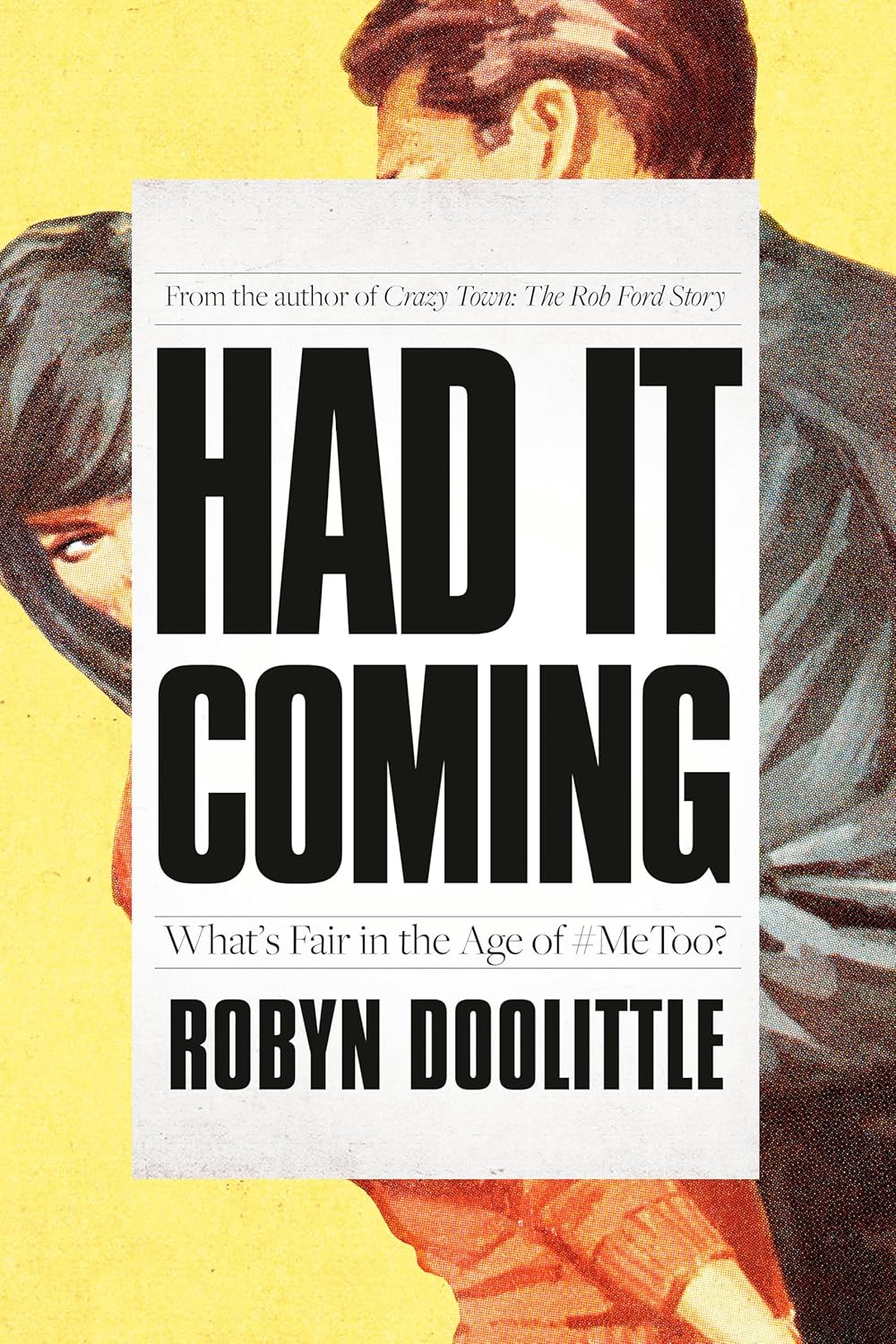
Had it Coming Pg 9 ↩
Had it Coming Pg 11 ↩