-
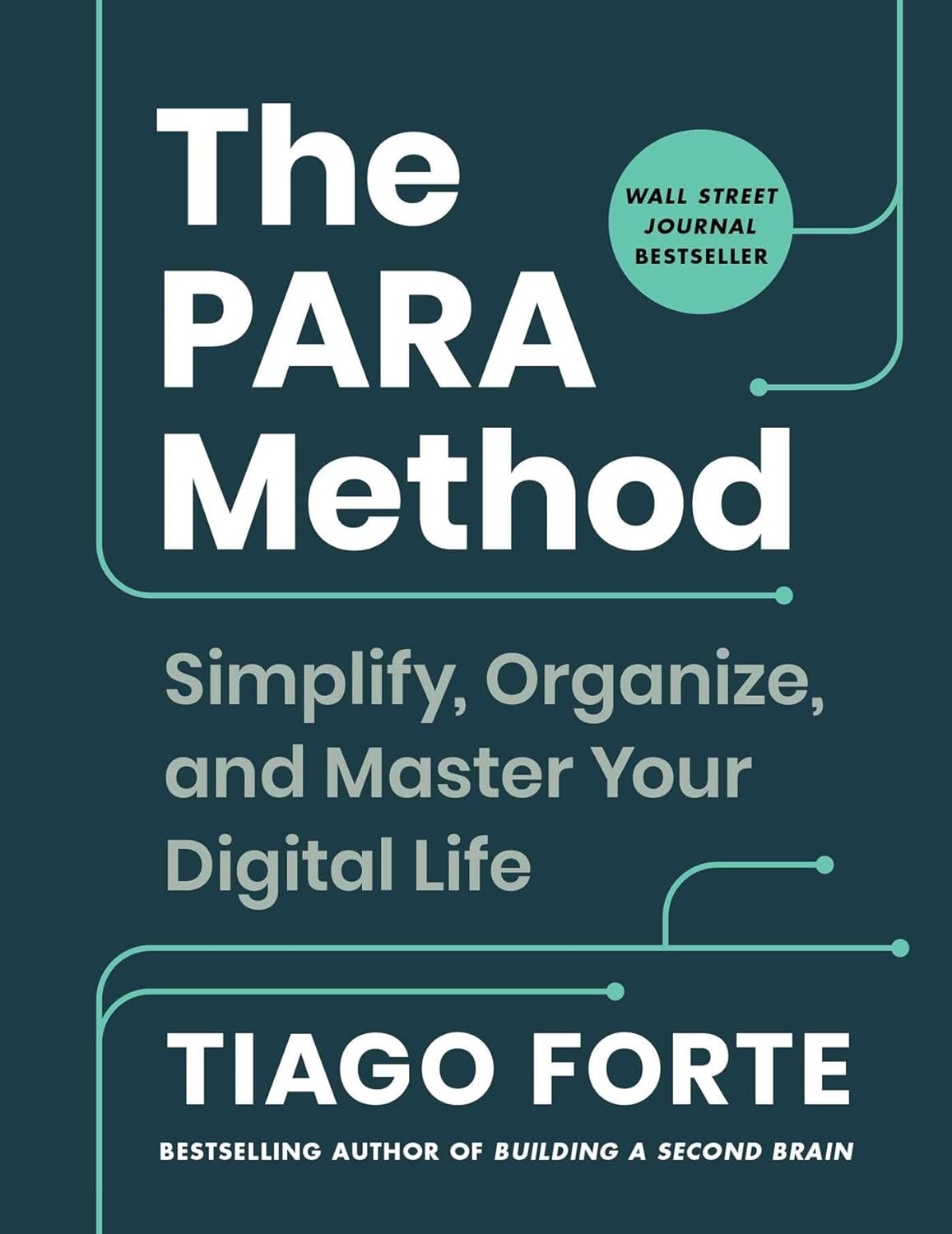
The PARA Method
I haven’t enjoyed Forte’s work thus far, but it was this book that made me realize why. I’ve been reading them as books about knowledg, but that’s not what Forte is writing about. He’s dealing with a new type of productivity system that is meant to deal with all the knowledge coming at a worker…
Style: Non-fiction -
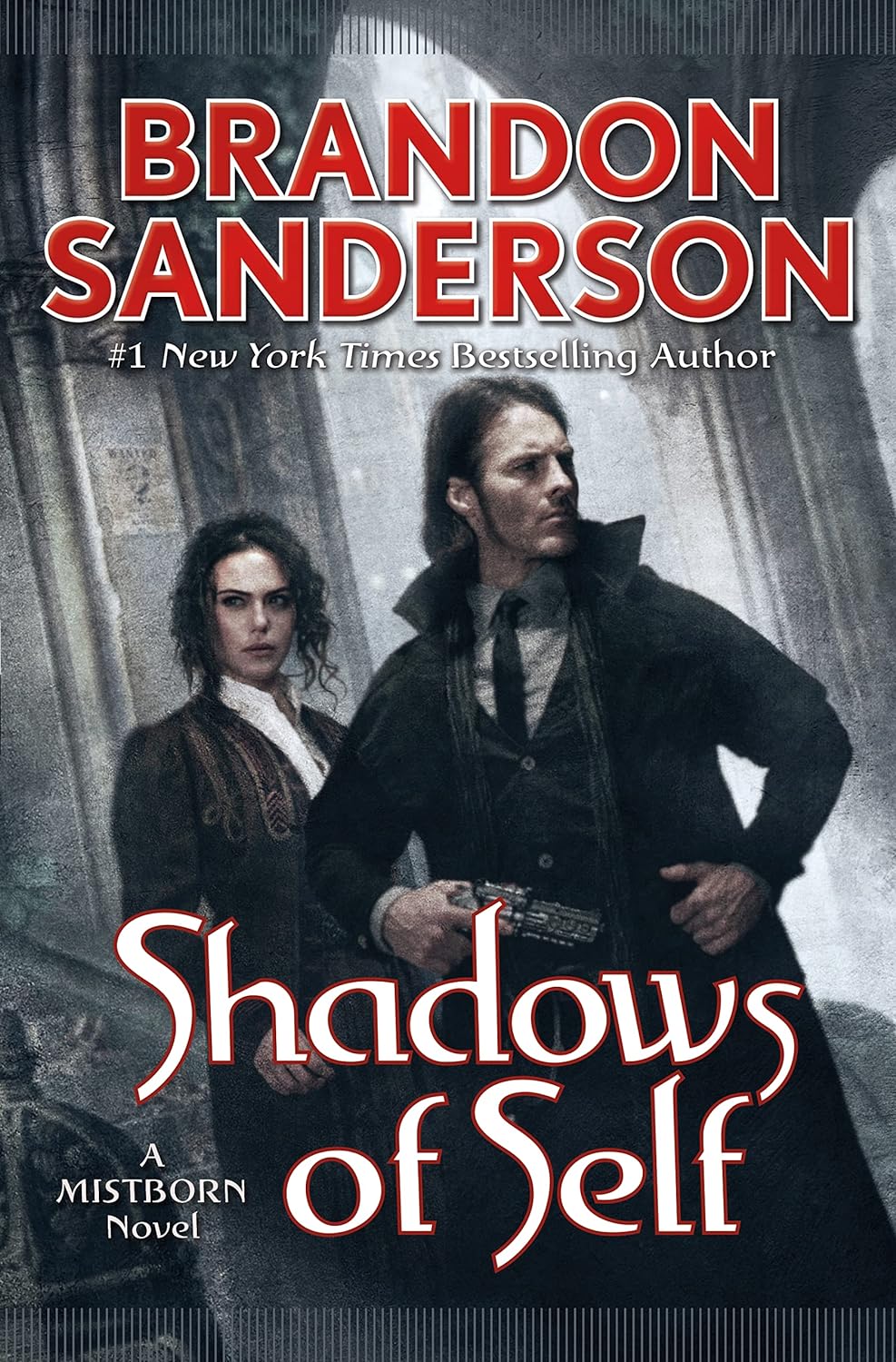
Shadows of Self
This is the second entry in the Wax & Wayne cycle of the Mistborn Novels. Wax is starting to find his place in the city he had forsaken and Wayne is along for the ride. I very much enjoyed the development of Steris as a bit neurotic, but capable planner. It foreshadows the roles she’ll…
Genre: FantasyStyle: Fiction -
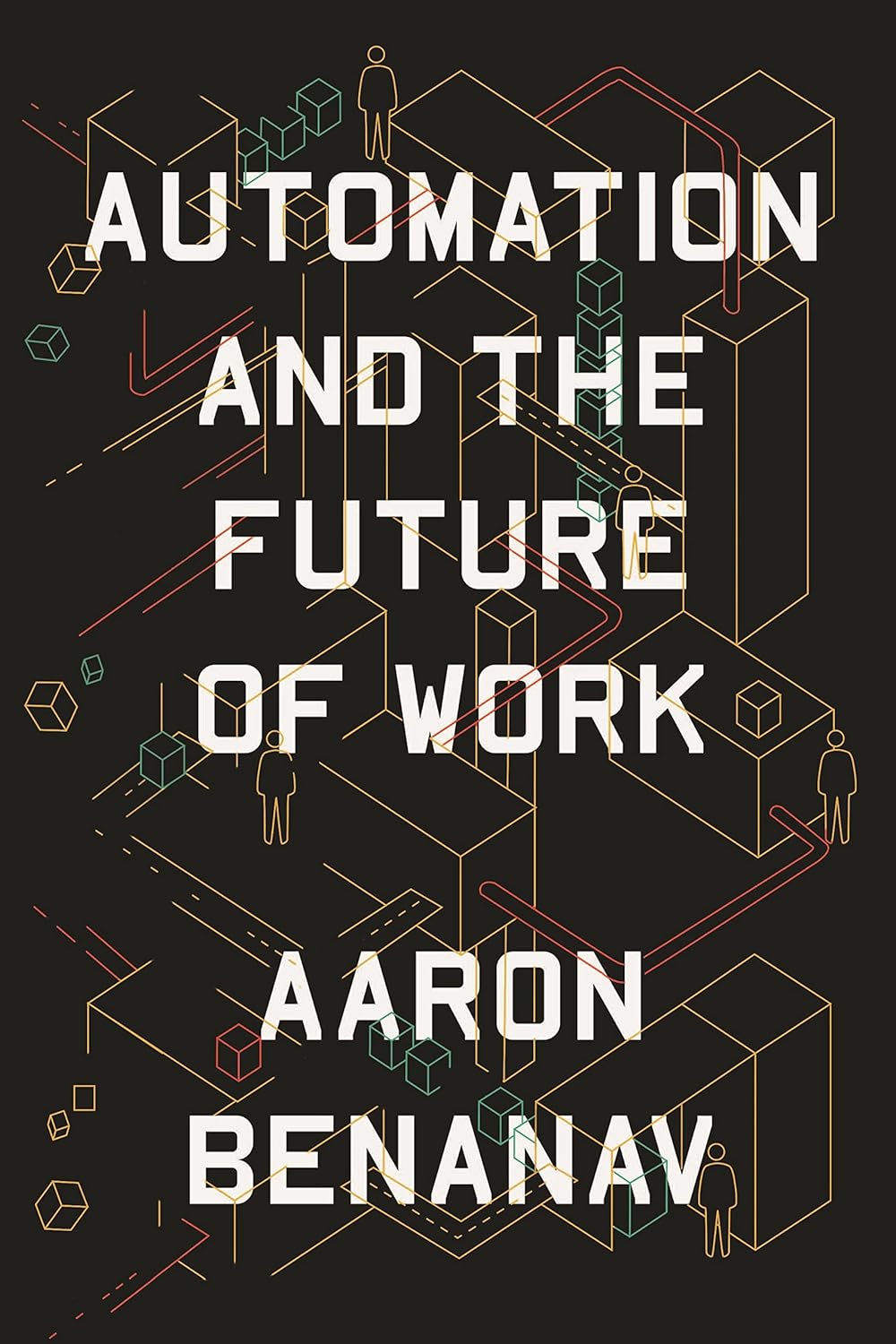
Automation and the Future of Work
The purpose of this book is to explore the possibilities of a post scarcity society and whether work should really be the center of meaning in our world. According to the author we must start to move past capitalism towards a way of organizing society that doesn’t put your only value as work in exchange…
Style: Non-fiction -
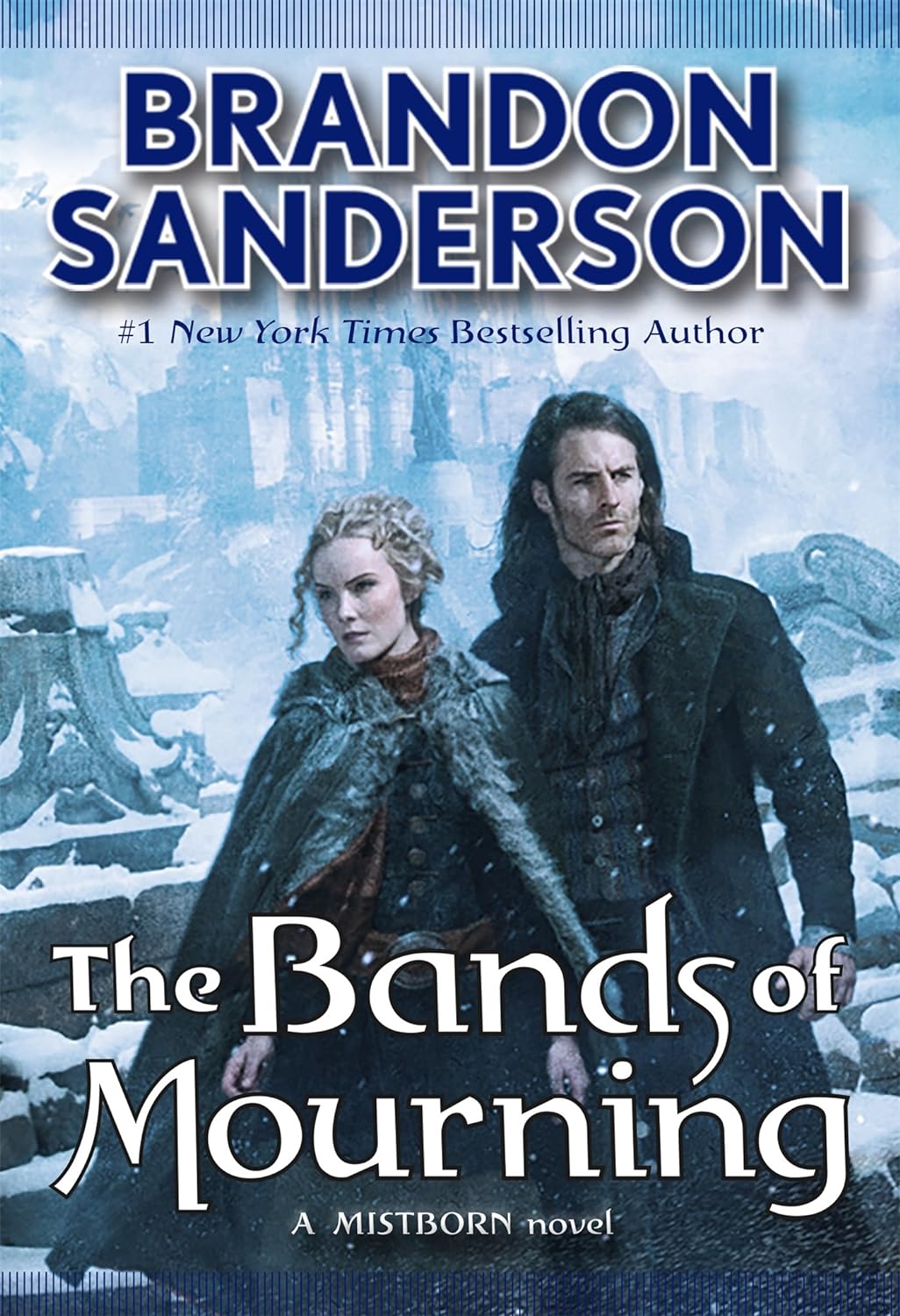
The Bands of Mourning
This book draws a very tight connection with the original Mistborn Trilogy (which I’ve read many times and recommend) as Wax is racing to get the mythical Bands of Mourning, which allowed the Lord Ruler to have unlimited power. Purchase The Bands of Mourning
Genre: FantasyStyle: Fiction -
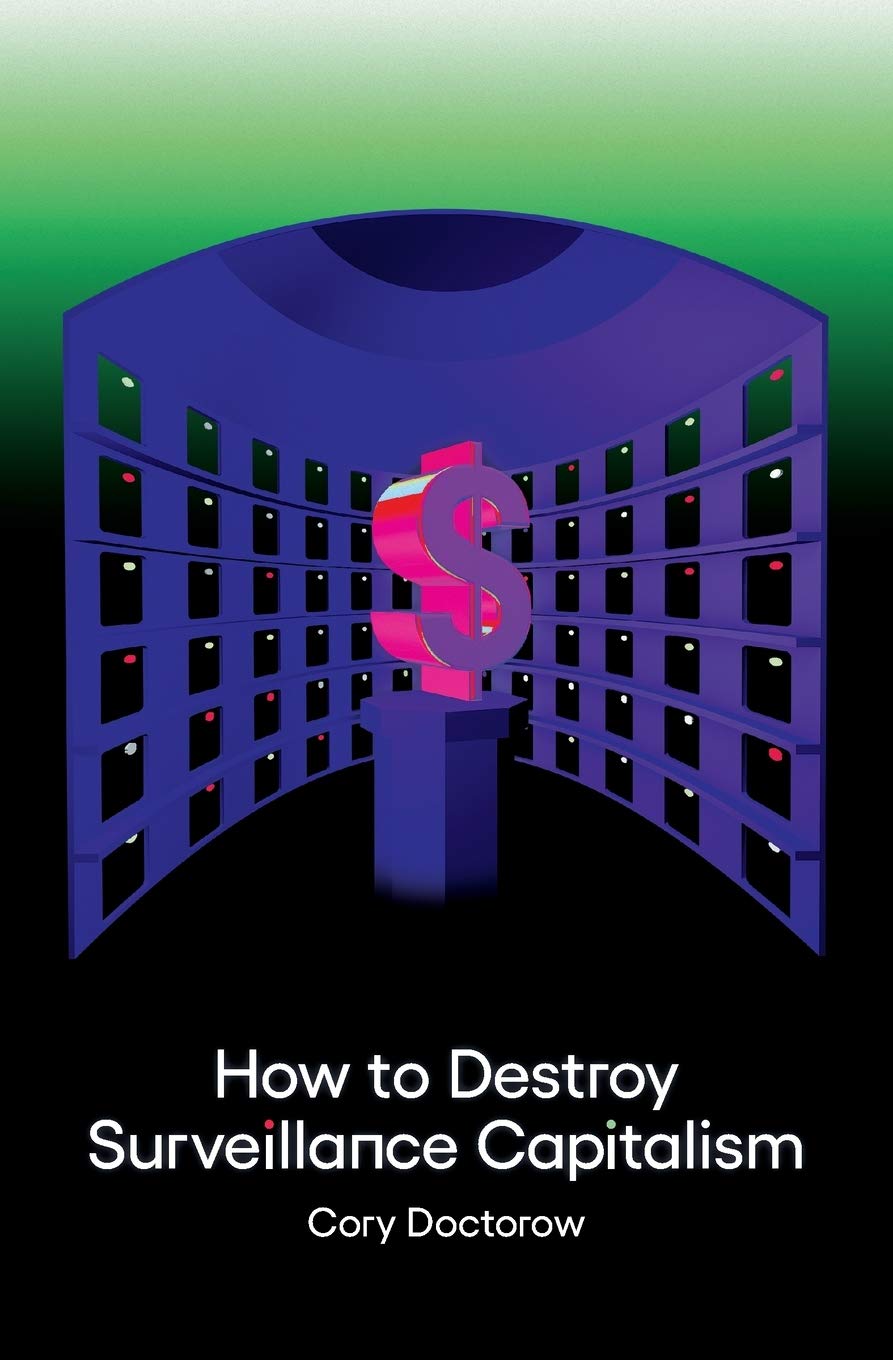
How to Destroy Surveillance Capitalism
Cory Doctorow’s book explores Surveillance Capitalism and how we already have the tools around to deal with Big Tech, we just have to use the laws in place to hold technology companies to account instead of letting them get away with stealing our future. I got the most out of his look at digital locks…
Style: Non-fiction -
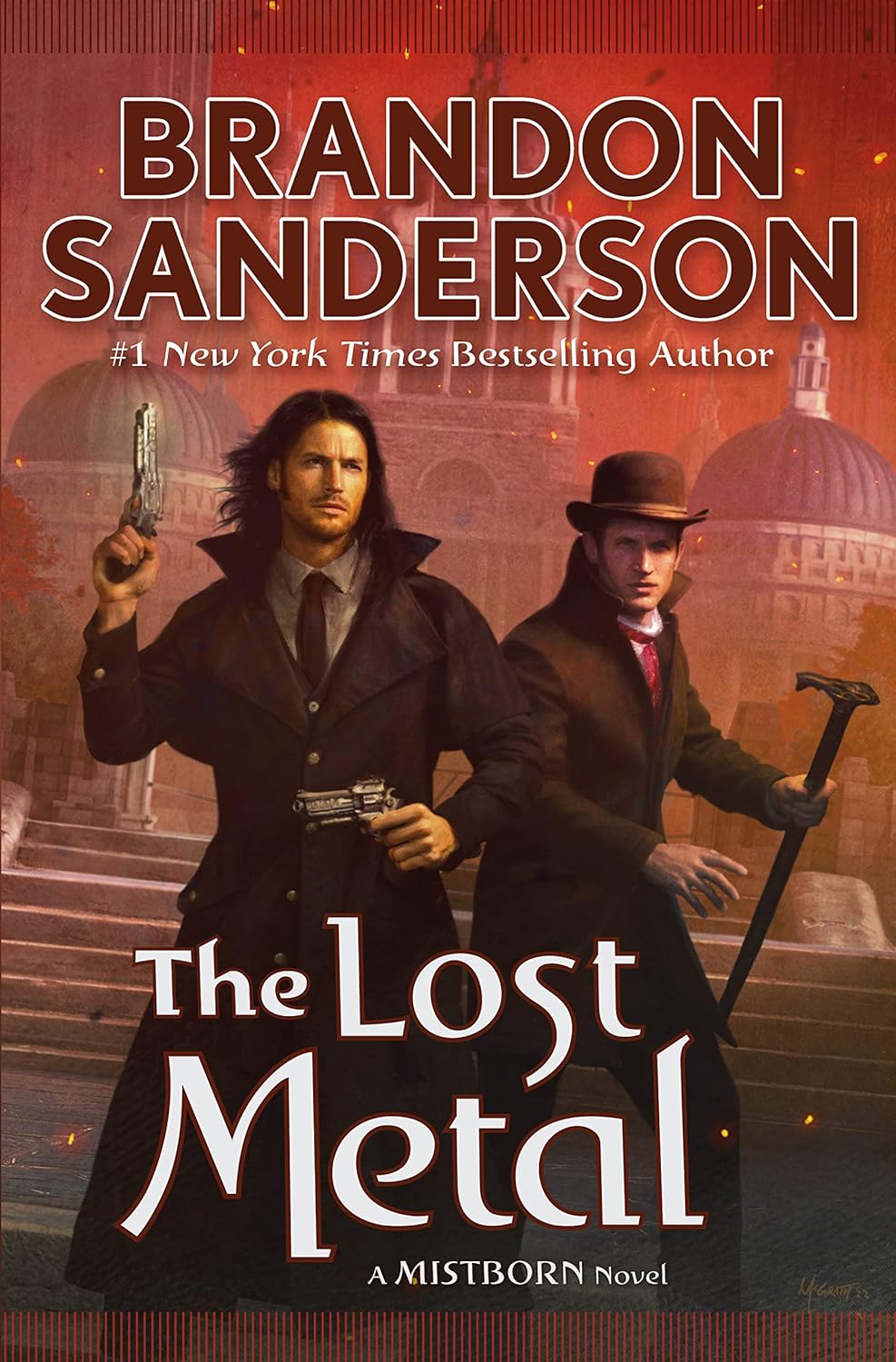
The Lost Metal
Here we meet an ageing Wax and Wayne as they try to confront another God that’s encroaching on their world. This is the third book in the Wax & Wayne arc of Brandon Sanderson’s Mistborn world. Purchase The Lost Metal on Amazon
Genre: FantasyStyle: Fiction -
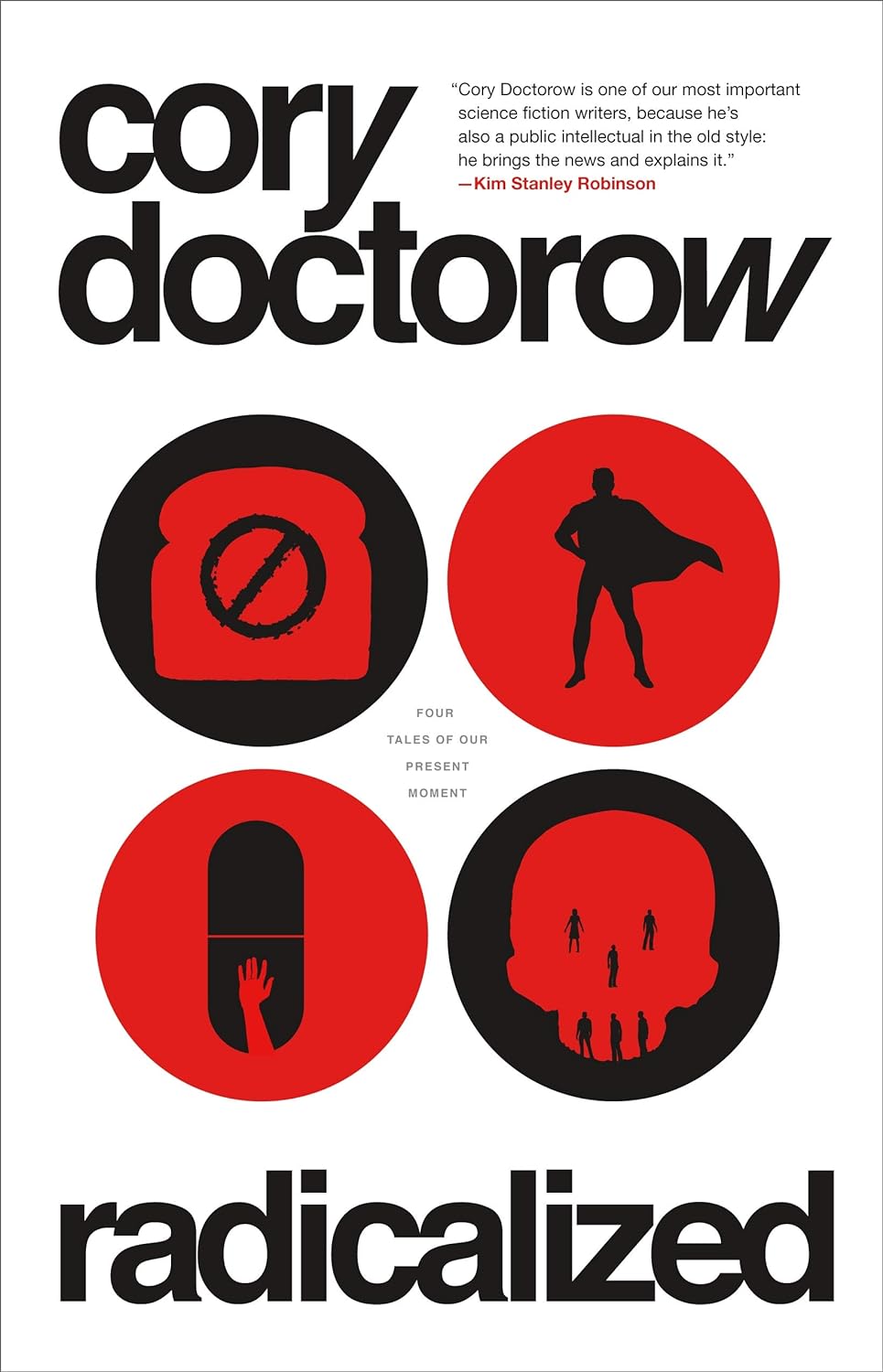
Radicalized
Radicalized by Cory Doctorow is a set of 4 short stories that examine where our world is, and where it could be going if we don’t take steps to intervene in the path we are currently walking. We start with a look at immigration in the US and watch Salima finally get a real apartment…
Style: Fiction -
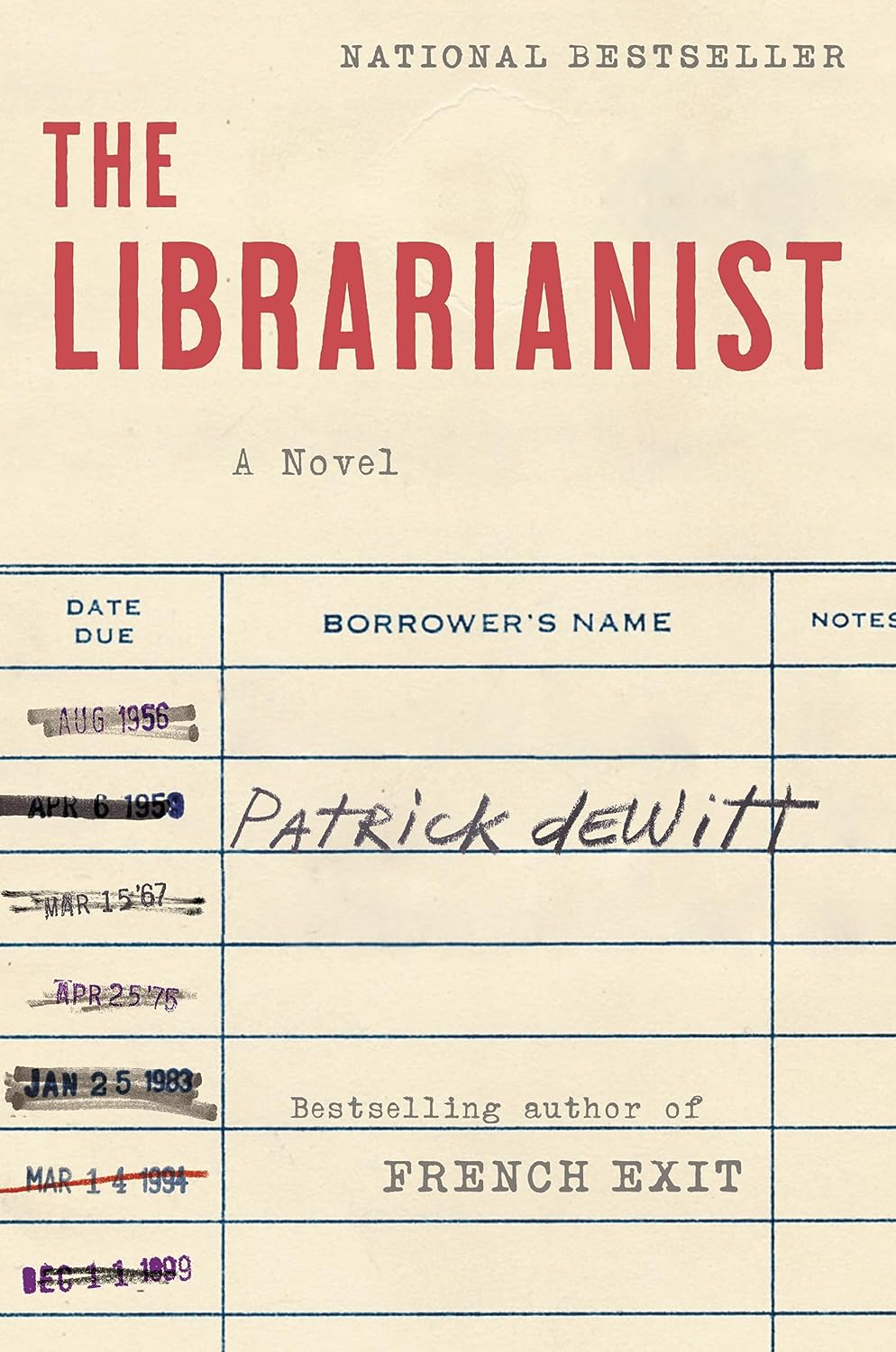
The Librarianist
This excellent book by Patrick deWitt investigates the life of a solitary librarian. We meet our character at the end of his life as he befriends a number of people in an old age home. There is a major twist that caught me off-guard but I continue to think about the tragedy of the story.…
Genre: Literary FictionStyle: Fiction -
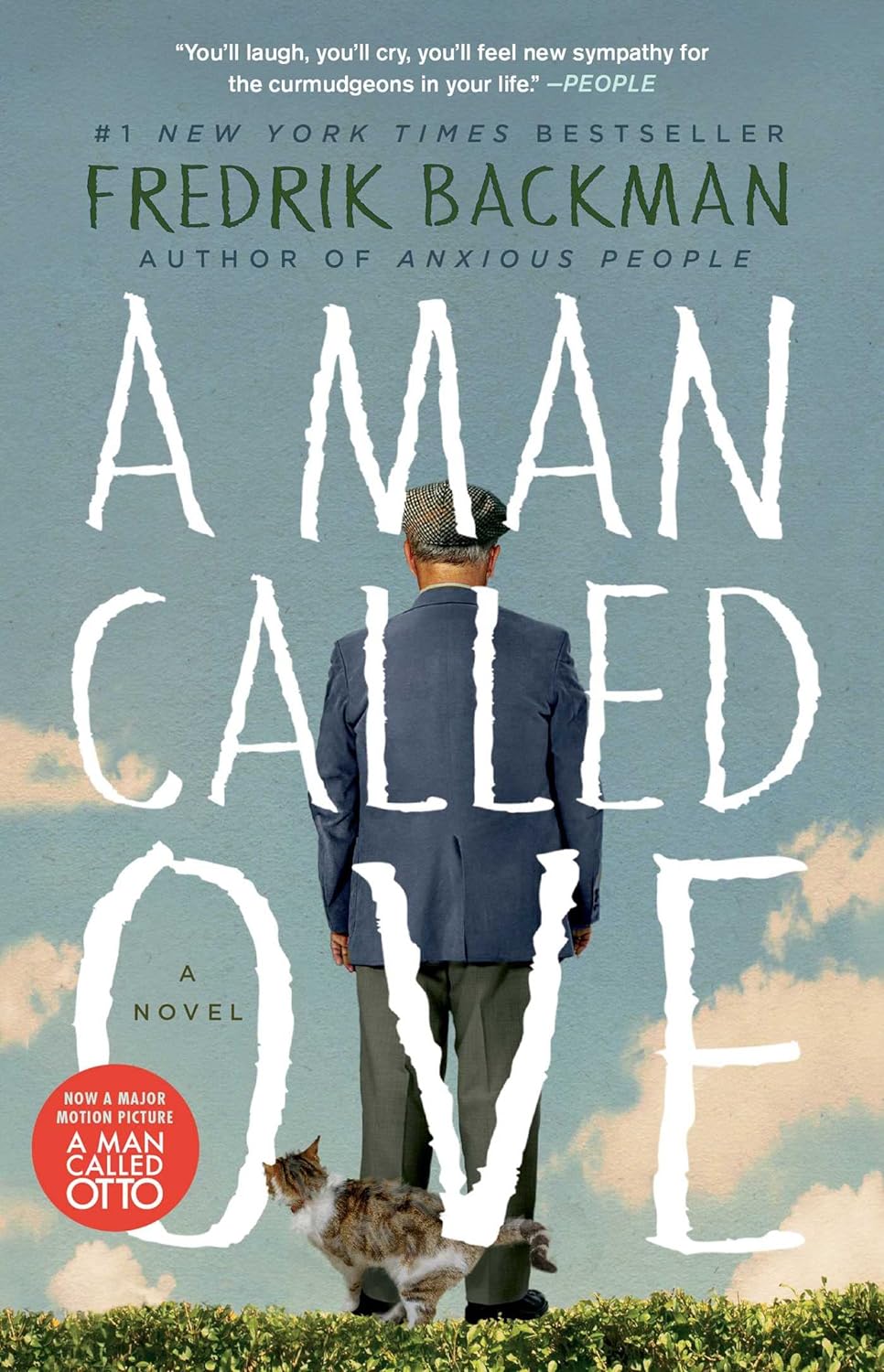
A Man Called Ove
I very much enjoyed this grumpy old man coming to terms with people that actually want to talk to him and befriend him despite how grumpy he is. The ending is sweet and made me cry. There is a trigger warning regarding talk of suicide. Purchase on A Man Called Ove on Amazon
Genre: Literary FictionStyle: Fiction -
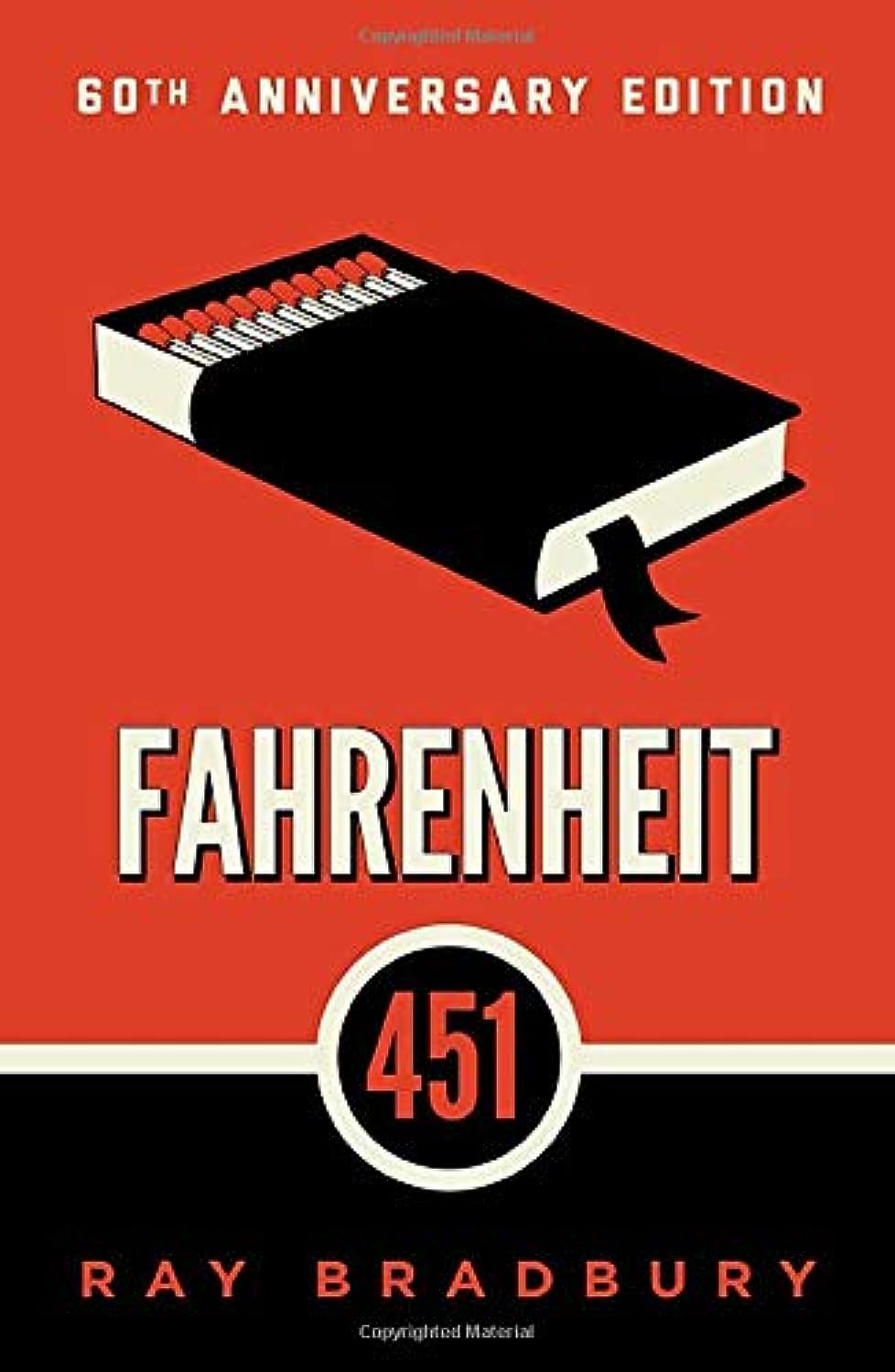
Fahrenheit 451
I read the 60th Anniversary edition of the book and the biggest thing that stuck out to me is the relevance to today’s world. So many people are following the “screens” and not living life, only looking for something easy, just like much of society in this world. We need to do a better job…
Style: Fiction