One of the words we hear passed around in technology circles is polymath. You’ll hear it on some podcast where the host says “my guest today is a true polymath”, but according to Simon Winchester in Knowing What We Know the use of this word is now mere flattery instead of fact.
The Meaning of Polymath
Now we apply the word polymath to anyone that seems smart and has money. I’ve heard it used to reference Elon Musk, but as soon as you hear Musk talk about any field you’re familiar with you realize that he has no idea what he’s talking about.
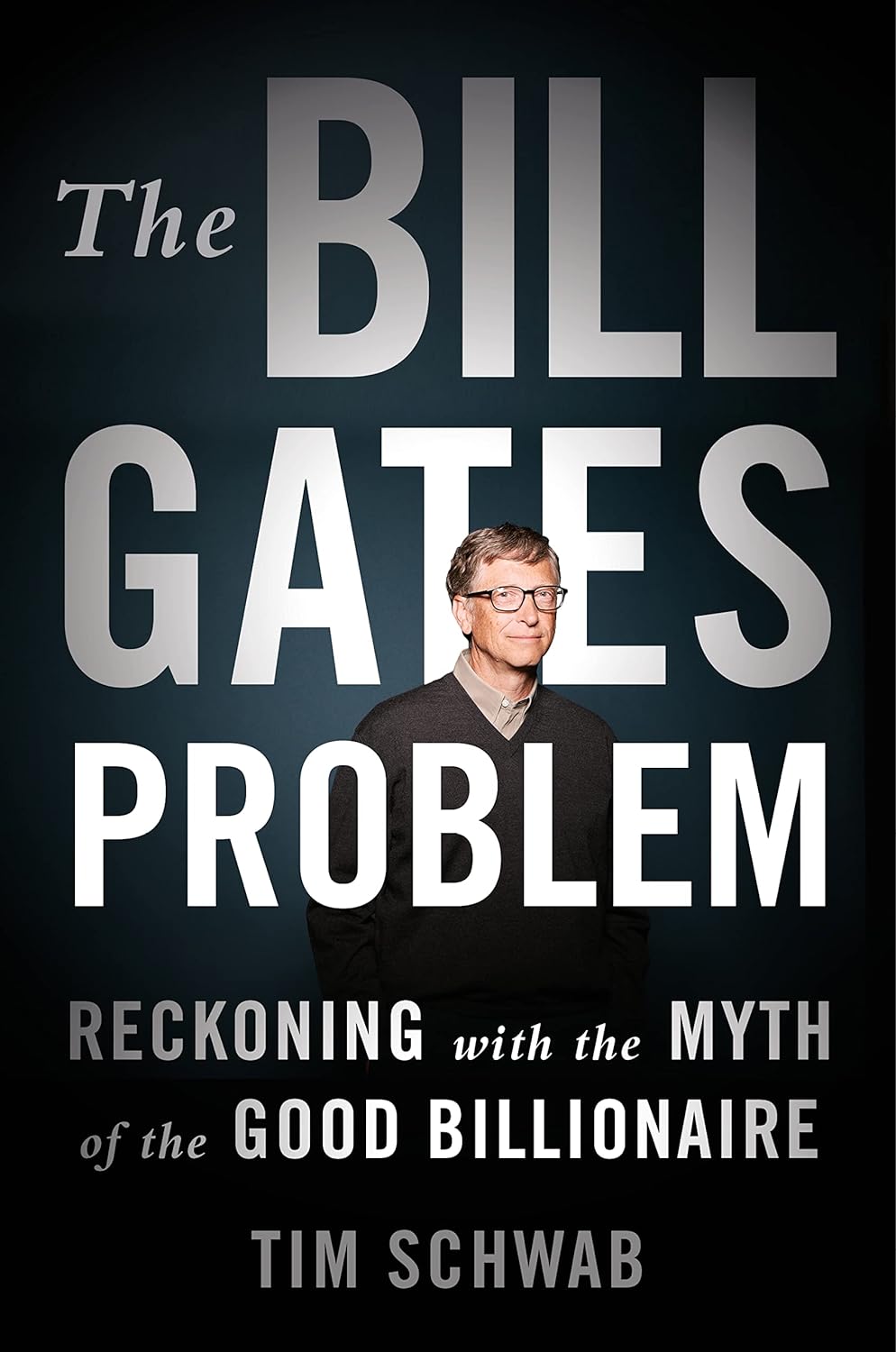
I’ve heard it used with Bill Gates, and specifically his work with the Gates Foundation and all its subsidiaries and adjacent organizations. But when you dig into what the Gates Foundation focuses on, you begin to realize that it mainly works to create a pipeline for Big Pharma to have new markets in emerging countries. The Gates Foundation does little interaction with the locals on the ground in the countries they are “helping” and flies in technological solutions that can’t be maintained once the Gates Foundation moves on to its next hot area of focus.
Expertise in One Area
The big mistake we make is assuming that because someone has expertise in one area they have expertise in all areas. Because Elon Musk lucked into a bunch of money and then invested in some interesting companies like Tesla. Then he went on a PR campaign to show how smart he was. Many people assumed that Musk was smart after that PR campaign, but most often when an expert hears him speak about a relevant field they realize that Musk just uses fancy words but they make no sense.
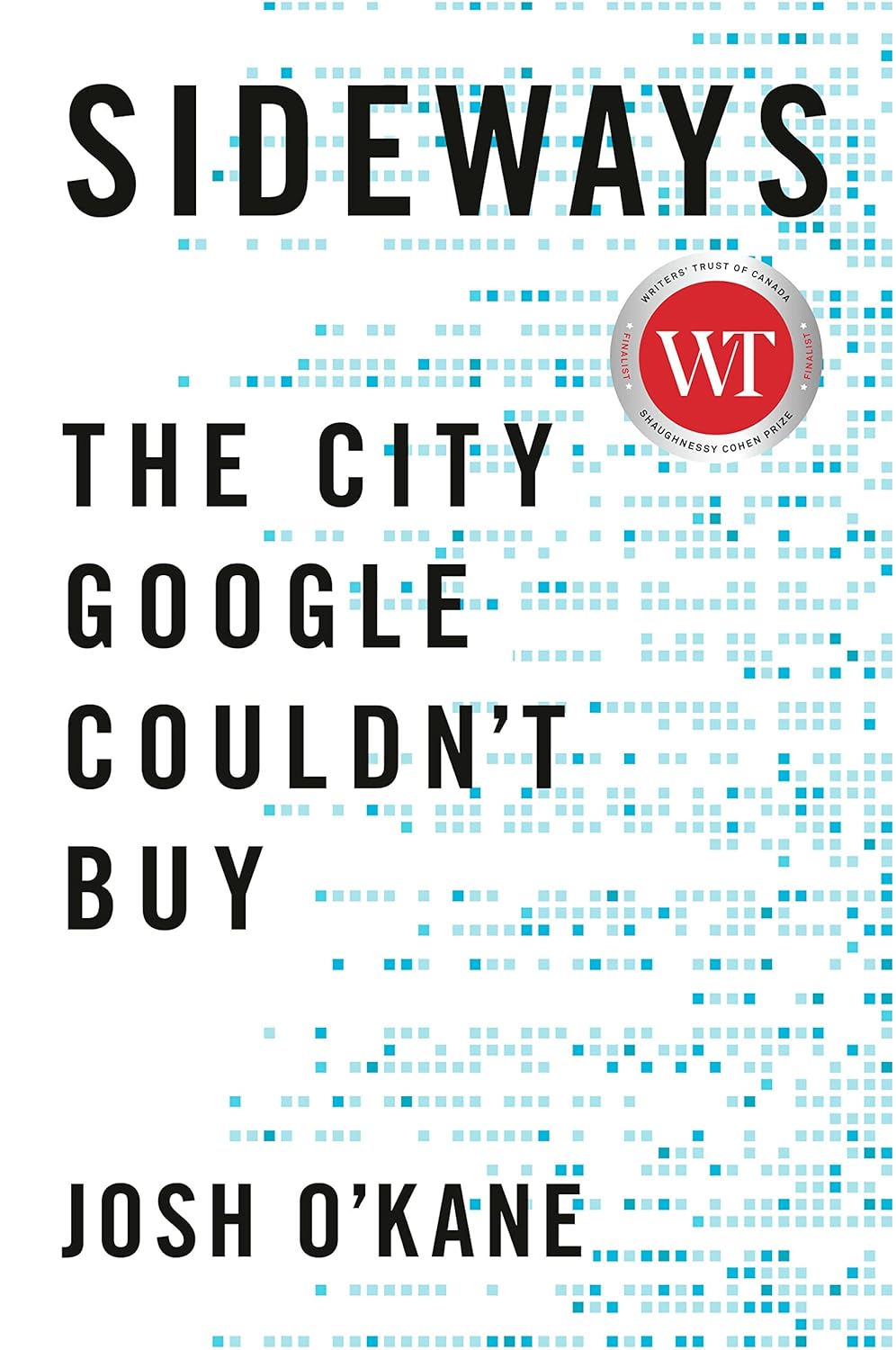
When Google came to Toronto and tried to remake a portion of the city experts had to fight with Larry Page to explain to him how a city worked.
Experts Rule of Thumb
When you’re listening to an “expert” and hear them called a polymath, understand that it’s impossible to understand everything that’s going on in the world today. Information in a single field can grow so fast that an individual can’t understand it, let alone multiple fields.
Remember that domain-specific expertise, doesn’t equate to expertise in any other field. Just because I know a bunch about programming WordPress sites, and I read a lot doesn’t mean I’m an expert in any other field. You should take this to heart when you’re asked to talk about any field other than the one you have spent a decade researching.
Just because someone has money doesn’t mean they know how to make money, let alone have a valid opinion on anything else. This is especially true if it’s a white dude. Bill Gates will tell you he made all his own money, but his mom gave him money to start his businesses. He was a white dude doing nerd stuff when that was new. He was hired by other white dudes in part because he looked like them. The Gates story would have been very different if he was a person of colour.
Likely the only thing we should listen to Bill Gates about is the history of Microsoft, and the state of programming back in the days he was mainly a programmer. Even then we need to remember that any story he tells is likely to cast him in the most positive light possible.
There are no polymaths today in the original sense of the word. There are some smart people that have domain specific knowledge that we should only pay attention to inside their specific domain. Calling someone a polymath is mostly about feeding their ego so they feel smart and continue to pontificate on whatever topic they feel they should be able to speak to.
Calling someone a polymath is pure ego-stroking.
Links
[[expertise in one area doesn't mean all areas 110920201045]]
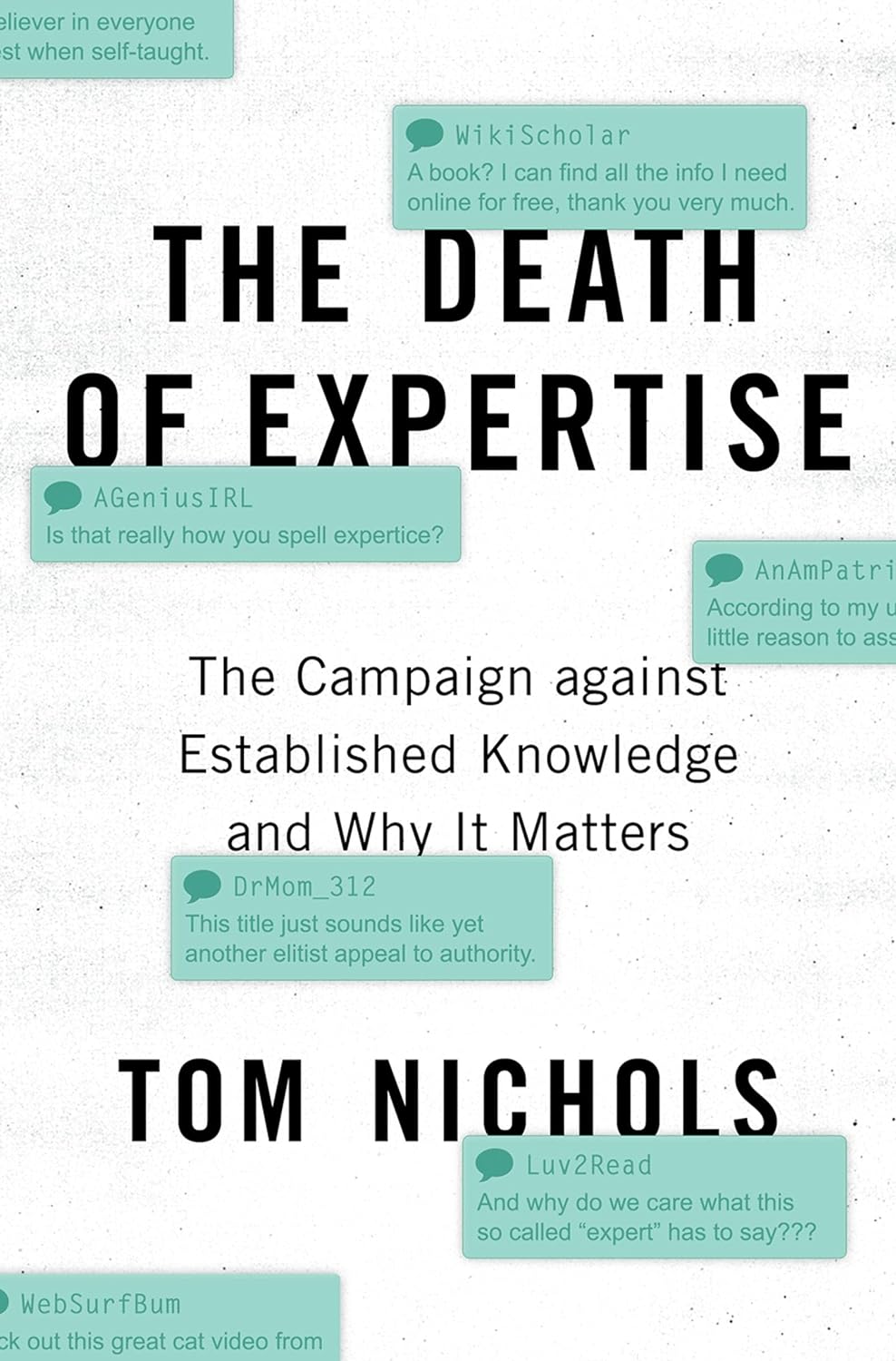
[[The Death of Expertise]]
[[Sideways - Josh O'Kane]]
[[The Bill Gates Problem - Tim Schwab]]
[[polymath]]
[[Knowing What We Know - Simon Winchester#^cf87bf]]