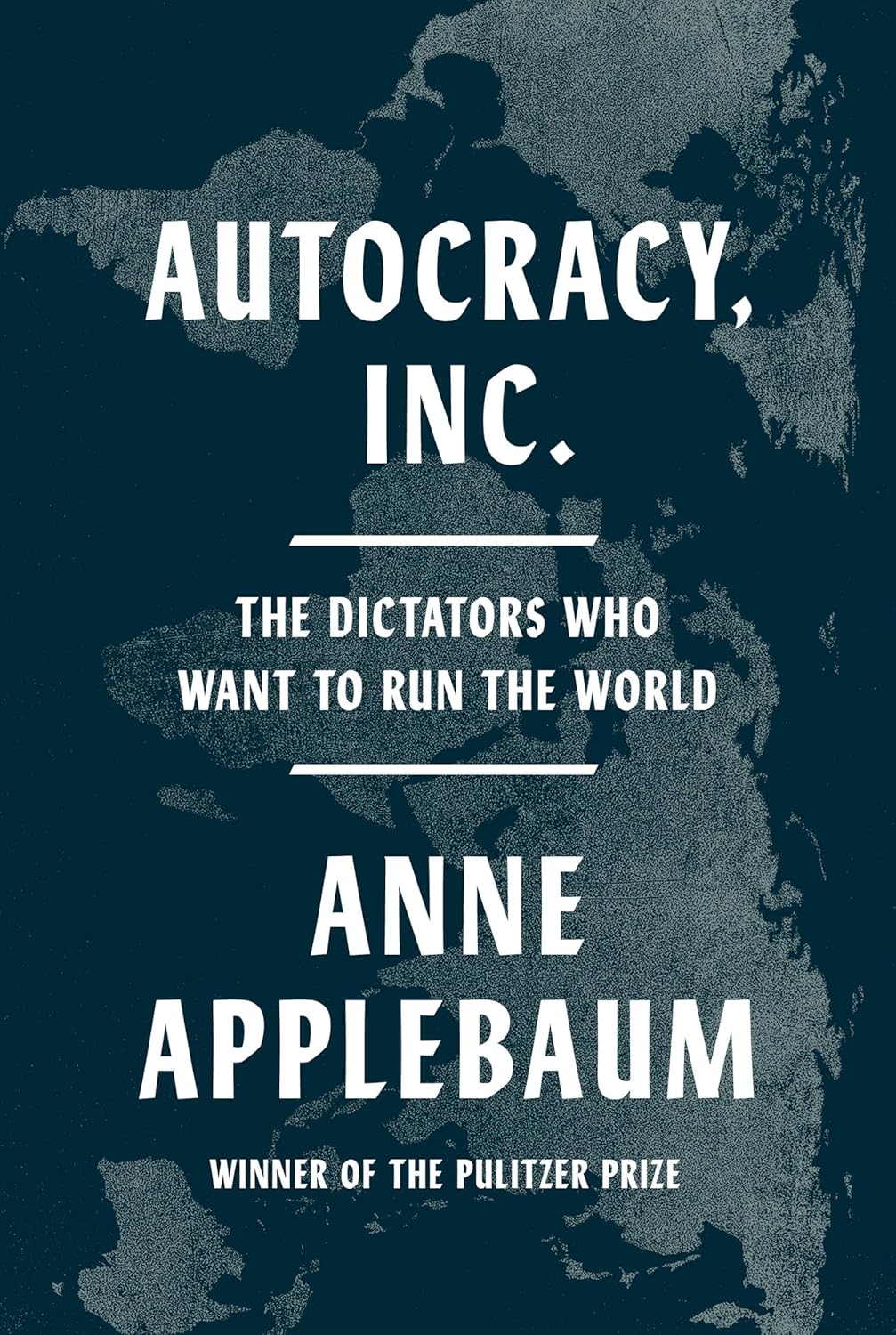
We're not even out of Chapter 1 in this month's book and another thought has been sticking with me. Democracies love to preach the virtues of freedom - but they've never hesitated to install "friendly" leaders abroad when there's profit to be made1.
This isn't the first time I've come across the idea either. In The Fish That Ate the Whale we learn about Samuel Zemurray who presided over The Banana Massacre. He purchased an old warship from the US government and then it got "boarded and stolen" by a local warlord. The government got overthrown and one friendly to Zemurray was installed and a US company got to continue making money. In this case the only reason the US government didn't sell it directly to the warlord is that the law prevented them, but they were plenty happy to help out a US business and look the other way. This is a pattern as old as time, when laws get in the way of profits businesses find workarounds and government finds reasons their hands are tied so the can't enforce the laws.
Do you like this look at books? If so become a member to help keep the content coming.
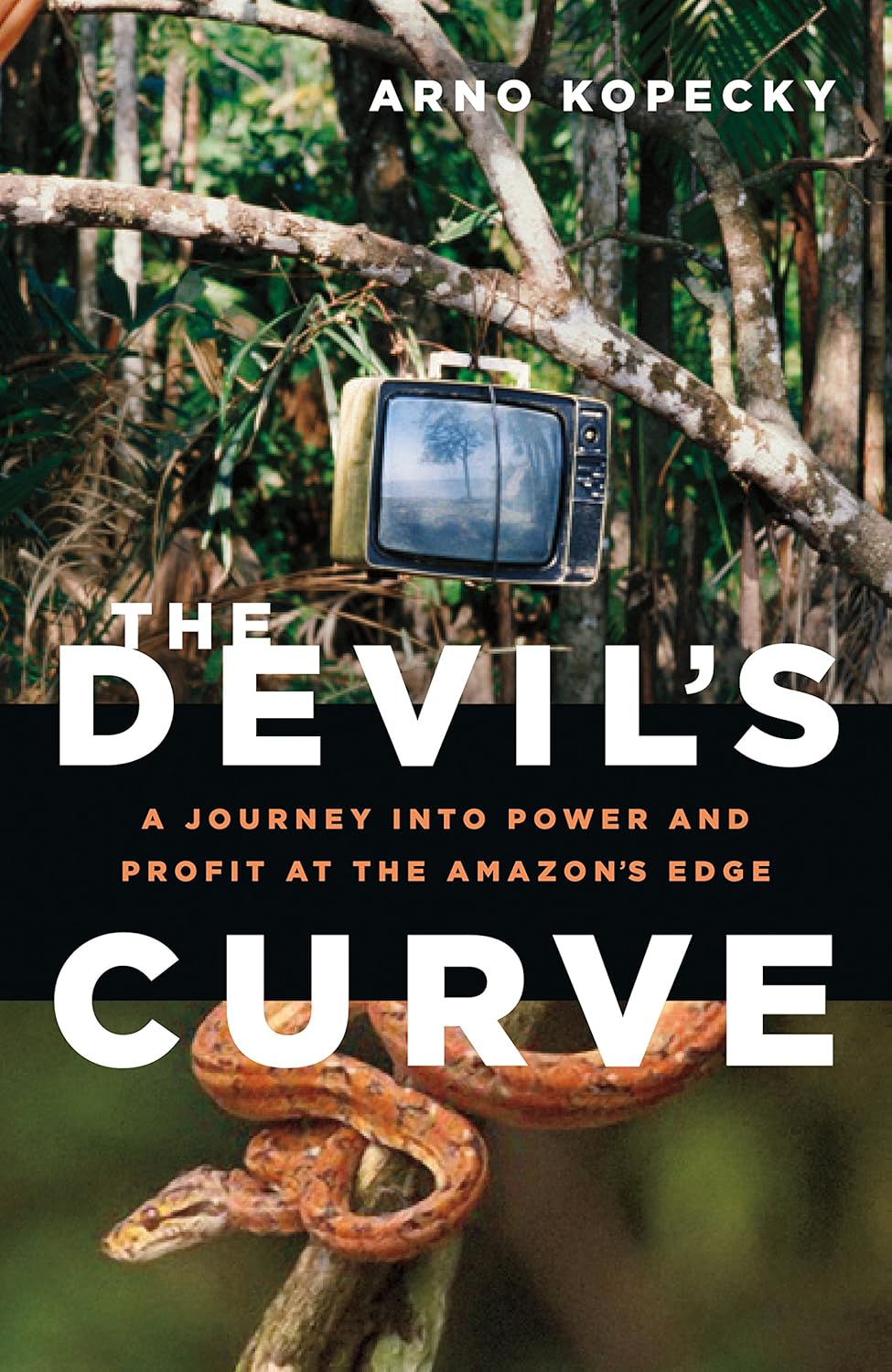
The Devil's Curve looks at the mining industry in Canada and how it harms locals in Colombia. Canada signed an agreement in 2010 with Columbia despite findings that said the locals had been violently displaced so that Canadian mining companies could find profit. We're willing to work with the governments that commit this violence towards their citizens for a small kickback, as long as the money keeps flowing.
Apple in China shows the complicity of Apple in the continued mistreatment of workers in China at the behest of the Chinese government. Again as long as profits keep flowing the company is happy to make token gestures towards worker rights so that the Western world gets off their back, but they're willing to do little else. They're certainly not willing to stand up to the Chinese government and harm their business with a bold stand for democracy and proper worker treatment.
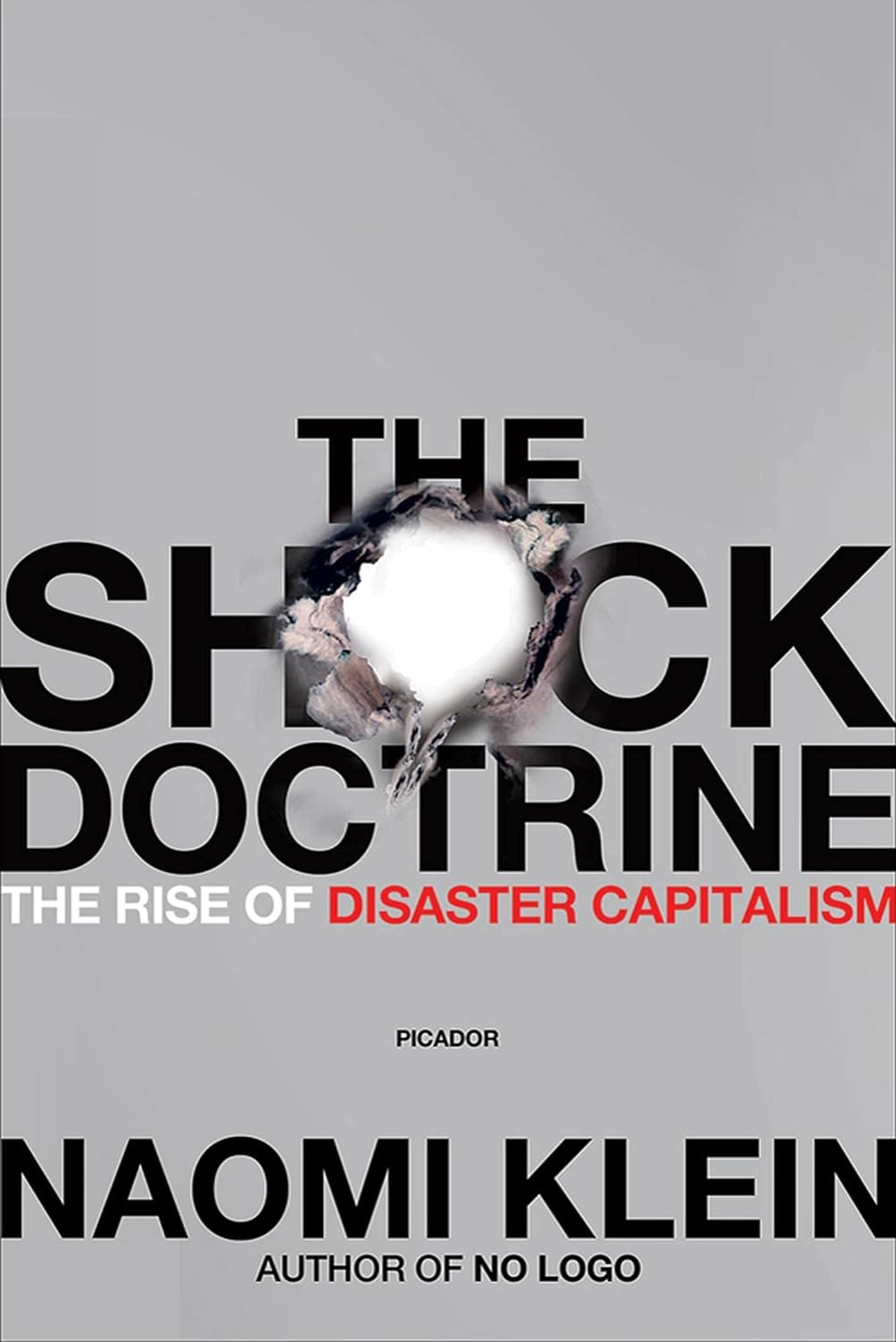
I'm not sure why we think this won't come for us either? This type of prioritization of profit at the expense of people we can't see is similar to Cory Doctorow's shitty tech adoption curve2 and you can see it in action in The Shock Doctrine. Here Naomi Klein documents how natural disasters have been used in the US to remove the public services that citizens have enjoyed and replace them with profit-seeking endeavours3. Of course the people that had their services removed were poorer people of colour.
This maps to the shitty tech adoption curve, where we apply exploitative technology first to users without power, like surveillance on the poor. Then once this exploitation is normalized it moves to those that would have had the power to stop it. In the same way democracies are willing to push profit above human rights on people in other countries, then we pushed profit onto people in our own countries that we don't care about. Next up is us, but because the seeking of profit at the expense of public good has been normalized it just seems normal and even those that have the capacity to protest have a much harder hill to climb due to the normalization of the practice.
When so much seems to be going wrong at home, how do we expand our circle of moral concern to include others that we can't see? It's hard because scarcity breeds exhaustion and a contraction of moral concern. When you're trying to figure out how to survive today, you don't have the capacity to think about a problem that doesn't currently impact you, even if long term that problem is coming for you.