In response to a comment on my recent video about music I said:
It's funny, or maybe obvious, how simply being intentional with what you're doing transforms an experience from something that passes you by to something that is meaningful.
In that context I was talking about the change from listening to random playlists on Apple Music (or Spotify if that's your poison) to being intentional about the album I choose out of a music collection I own. In the age of so many things to read available at our fingertips, the same can be said for books.
Yes there is value in being able to grab your Kindle (or Kobo) and heading out with a massive amount of reading in your pocket. It's what I do when I'm travelling because I can't bring enough books to keep up with my reading when I have hours to sit and read. But just because a tool is useful in some situations, doesn't mean it's useful in all situations.
Today I'll walk you through how the experience of a physical book and physical notes enhances the depth of what I get out of what I read, precisely because it's not fast or easy. Just like being intentional about my listening helped make it meaningful, being intentional about how I choose to read makes it more meaningful and helps develop deeper thoughts on the book at hand.
Notes on Paper Take Effort
First, I don't just read mostly physical books, all my notes on those books start on paper. I'm currently using a notebook from Atoms to Astronauts mostly because they looked cool. Turns out, they also have excellent paper to write on. The only downside so far has been that the pages weren't numbered, but I fixed that with a few minutes of effort used to write down page numbers in the corners.
The biggest reason I start with notes on paper is that it's work to write them down. I have to look at the text and decide if the quote is worth the effort of writing. If I hesitate then I'm already telling myself that it's not valuable enough so I skip it.
Second, when I go to write a note down I have to make sure it's concise enough to get the idea across. This means I have to demonstrate my understanding of the subject at hand enough to summarize the section I'm reading. At some point in every book I encounter something that seems interesting, only to realize I don't fully understand it when I go to write down the idea. I need to go back or stop and look at my other notes to get the idea in context with what the author is trying to say. Or I realize that I haven't been paying attention for the last page or two and need to read a few pages again to properly put the interesting idea in context.
Contrast this to my digital reading, where it's so easy to highlight a passage that I highlight it and move on. Then it gets synced into my Obsidian vault, without further thought. Oh I intend to go back and dig deeper, but it's rare that intentions match with the reality of the time I have.
Touching the Notes Twice Makes them Deeper
The second step is to take my notes and type them out into Obsidian. No I don't scan anything because scanning is too easy. Touching each note a second time means that I think about the idea again now that I've read the book. I do my best to place the idea, and revise any thoughts I had, based on the context of the whole book.
I'll regularly find something interesting only to look back on it once I've read the whole book and realize that the author never supported their idea like they said they would. They tossed out a sentence and expected us to take it like gospel, just because they got a publishing contract and wrote a book.
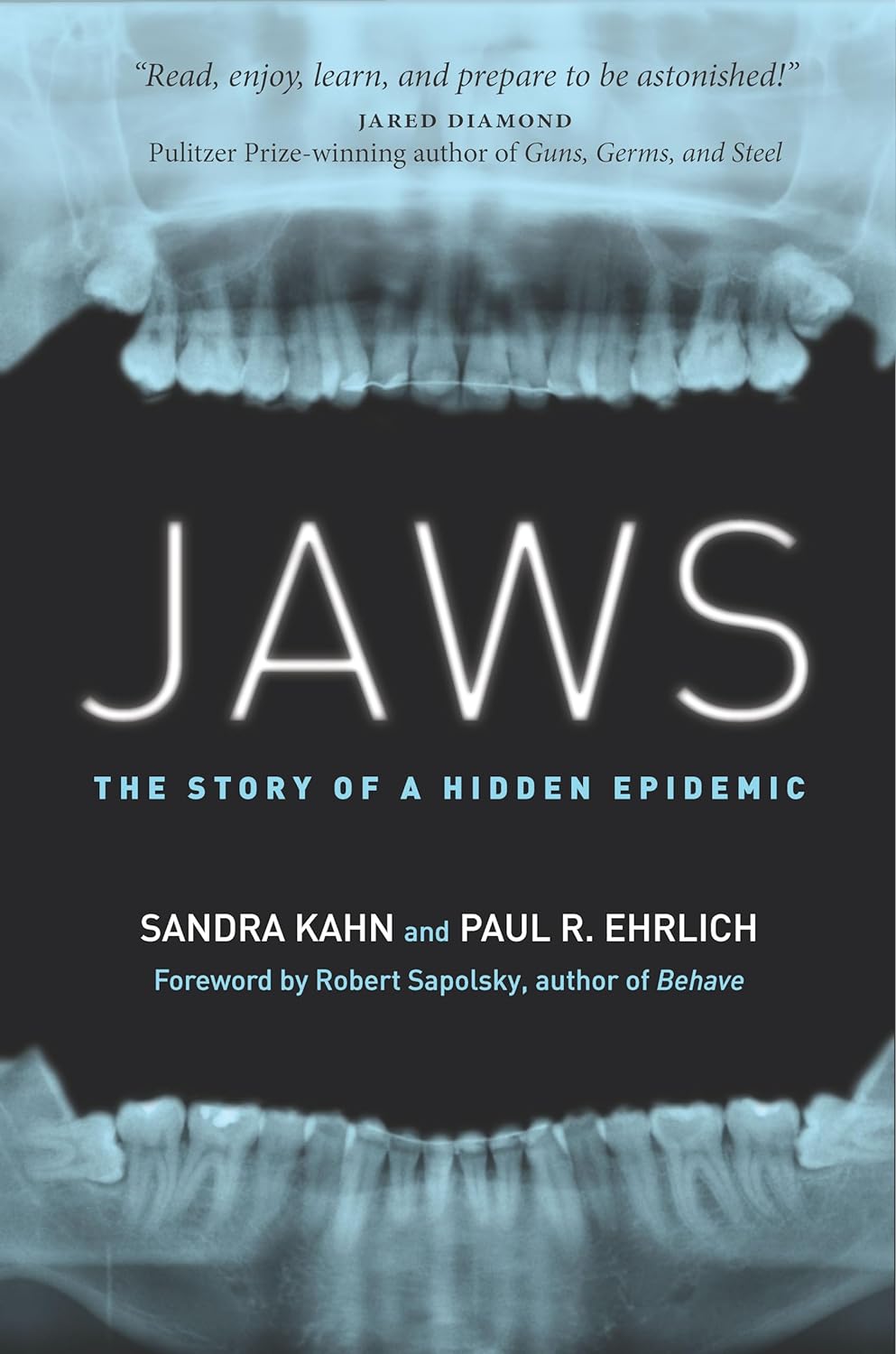
Remember, just because someone got a publishing contract doesn't mean they have anything worthwhile to say. I think of a book I read a few years called Jaws. It came highly recommended by a co-worker, but the book was terrible. It made massive assumptions and wild accusations that were unfounded and unsupported. Yet the reader was expected to upend their life to make sure that their child had a strong jawline. It was really a book pushing soft eugenics theories couched as a book on how to help your kids.
When my coworker asked if I read the book and liked it I said no. When they pushed back I could open my notes up in Obsidian and cite a bunch of pages that had wild accusations or made arguments that the eugenics movement made.
I could do this because of my final step.
Take Time to Expand your Notes
The final step, which often happens when I type out my notes is that I expand on the ideas I had. For Jaws I looked up some of the studies, only to find them retracted. I looked up the authors, to find that the "science guy" behind the book had written The Population Bomb, another book that makes wild accusations and assumptions with little evidence. In fact his predicted Population Bomb is long past the date of expiration and he continues to say it's coming…at some point. I'd trust his predictions about as much as I'd trust someone predicting the end of the world due to alien abductions.
Is every book worth a bunch of effort to go through the sources? No of course not. I knew my co-worker would ask because he raved about the book for a while so I made sure that I backed up my dislike of the book with the research required. If I had to present a paper debunking the book I would have gone even deeper, but I just needed to tell a co-worker politely why I thought it was bad.
During my expansion time other books I've read previously will come to mind so I'll look them up and connect sections. I'll take ideas in a book and turn them into their own note, often one that gets connected to many other books I've already got in my library.
Yes, this process is slower than simply highlighting stuff in a Kindle and letting Readwise push my notes into Obsidian. I could read an extra 5-10 books a year if that's how I handled my notes. While speed would increase, intentionality would decrease. I'd chase a number, while getting less value from each book I read, because it was easy.
See my 2026 Obsidian setup
Reading a non-fiction book is about gaining knowledge. About challenging your ideas and then changing what you believe if new information brings new revelations.
I'd take slower notes, that go deeper and force me to think harder over more books read and shallow notes any day.
Reading isn't about hitting some mythical number to show that you're a reader. Who cares if you read 52 books a year or 3, what you take away from your reading is what matters. Have you become a better, more informed person because you wrestled with the content in front of you?