How do we pick a system that works for us?
Cory's Memex Method
I'm always interested in reading about how other writers take good notes for future projects and came across Cory Doctorow's Memex Method this week thanks to Richard.
It's worth noting the power of text files, with Cory having some that still work from the 1980s. Markdown has been my choice, and with a file extension change it's just text anyway so that feels like a safe choice too.
I also like Cory's push towards blogging the fragments of his ideas. By blogging the fragments he has an online record and people have a chance to bounce off his ideas and provide feedback which can yield new insights. Secondarily, it's marketing for the writer and it can be hard to make it as a writer if you want to feed your family.
Cory's whole article is worth a read and echoes my thoughts that you should be blogging.
Back to Richard
Richard's post was a response to mine from late in 2025 where I said read later is garbage. I assert that for most people, most of the time, it's a long list of obligations to read stuff that seems interesting in the moment but you'll never get back to. As the list grows guilt increases because you're not dealing with it.
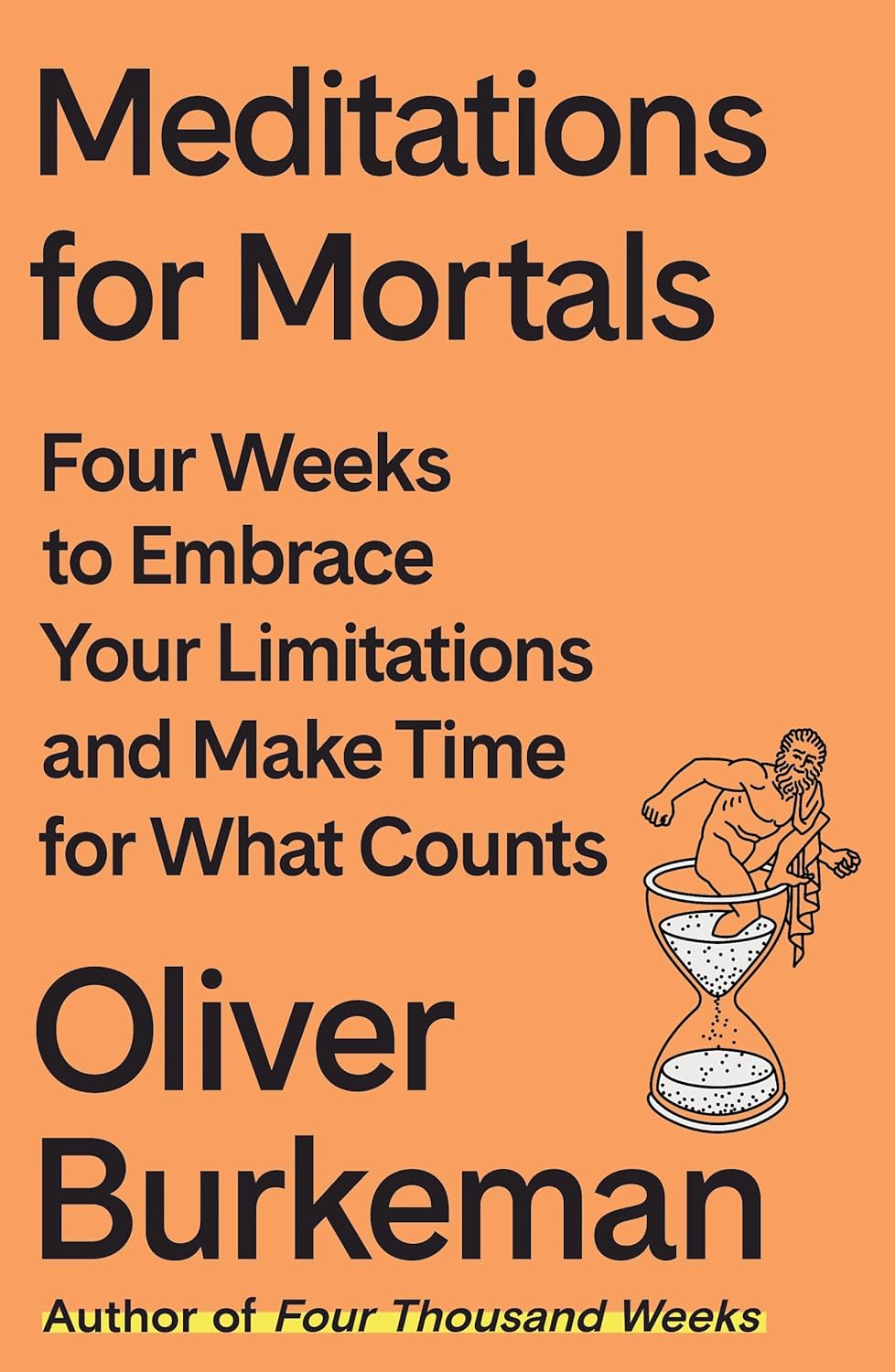
We spent a month looking at this idea with Meditations for Mortals in book club last year. He feels we should let go of performative reading goals and that we can't possibly care about everything that needs changing in the world so we have to pick our battles1.
Richard recognizes that he likely saves too much stuff and needs to triage it. The lack of triage is where most people fall down. They don't delete enough clinging to the hope that one day they'll have time to get through the backlog.
But if you don't have time today, or in the next few days, you're unlikely to have more time in the future. You're simply deferring the decision.
As always, you do what works for you, but be free with letting go of stuff you won't ever get to.
Gauging the value of your system
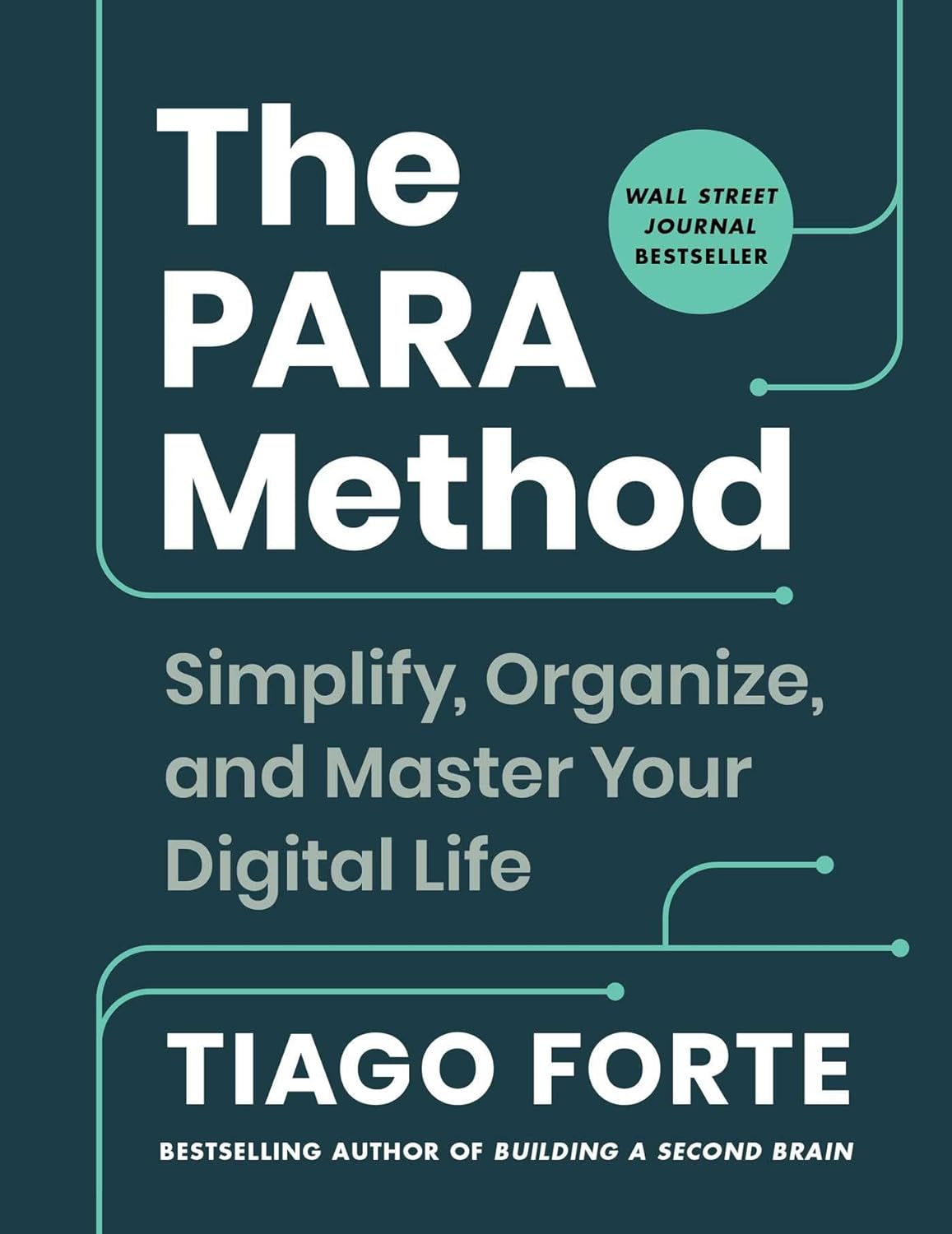
In The PARA Method, Tiago Forte says that the way to judge if your system for dealing with notes is any good is by what it outputs2. While I found much of Forte's work really about building a new GTD method that everyone would use, here I have to agree with him.
If whatever system you use to handle articles that are interesting to read works for you and produces good thoughts, doesn't overburden you with crap you're never going to get to, then it has value.
If it's just a growing pile of stuff that you never deal with, it's not a good system and you need to leave it behind no matter what some online creator claims the system will yield in your life.