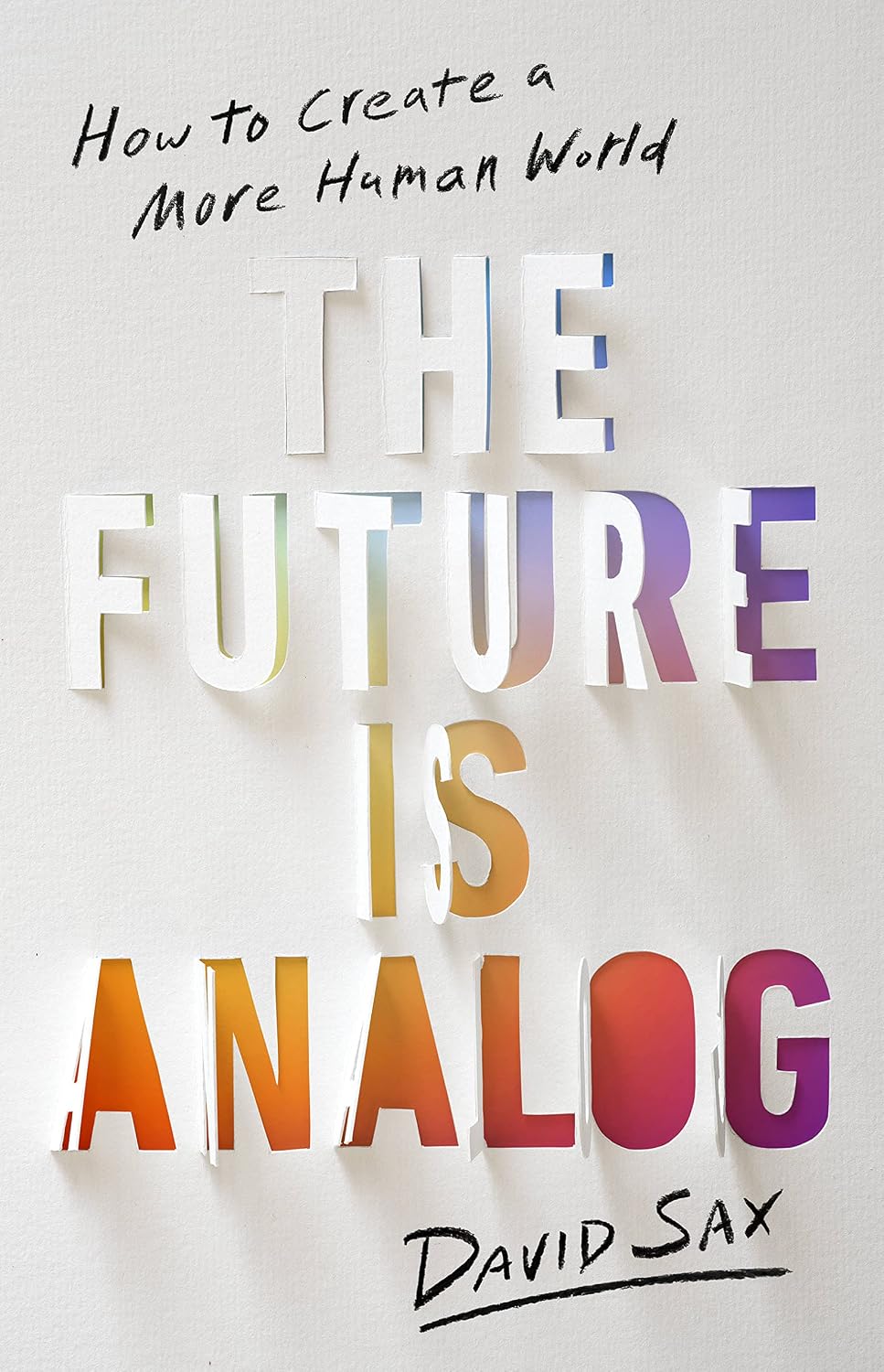
Years ago I read The Revenge of Analog which was ahead of it's time. It showed the resurgence in analog consumption of content, from vinyl to books, Sax took readers through why these analog mediums connect with us in a way that digital never can. I had hoped that this book would be a good continuation of the previous book, but it's not really that despite the theme being similar.
In this book Sax walks us through seven different things that were supposed to be disrupted by the all digital future via the lens of the COVID pandemic. This pandemic brought us the digital future that many had dreamed of immediately as many around the world weren't allowed out of their houses for months at a time. We all had to resort to digital schooling, digital friendships, and digital work. For some it went well but for most the experience was highly undesirable.
Sax falls into the undesirable camp, even with the advantage of being able to retreat to a family member's lake house in Ontario. Yes he had space for his children to be outside that many didn't. He had the money needed to get the devices for his children. He even had numerous adults that could be with children, and yet despite all these advantages all the interactions of COVID were impoverished by being all digital experiences.
There was never a break from a screen, which is a roll that meetings used to fill for many. You simply sat and tried to be productive all day. Once you were done, all your entertainment was on a screen as well. No more movies out, or plays, or live music. Just sit in the comfort of your home and enjoy all the same things. As Ian Bogost said in this month's book club book, the screen became everything which is it's power and it's downfall1. We no longer occupied space when we did something, the screens around us brought the place to us. Our bedroom was no longer just for sleeping and sex, it was also an office, and school.
When we bring all spaces into every space, we impoverish the experience of everything.
Should you Read The Future is Analog?
In many ways this book felt like someone whining about how hard COVID was for them. Sax correctly highlights all the ways that digital technology fails us. He pulls back the promises of our better digital future to show how we're monetized and made smaller when all we do is sit behind a screen.
His ending thoughts that just because a computer can do something, can provide an experience to us, doesn't mean that it should be the medium used to get the experience2. This is a good reminder,
but I think there are better books that cover the topic of a hollow digital life that's monetized and directed by corporations. The Promise of Access was a much better look at how simply accessing technology, and some training, doesn't equalize the opportunities that people can grasp.
So I'd say this book is okay, without being excellent.
- Purchase The Future is Analog on Bookshop.org - support local bookstores
- Purchase The Future is Analog on Amazon