We like easy answers. Is it good or is it bad? Will I get cancelled for a view, or is it the one that helps me conform to society at large? If you've got kids, telling them yes or no is far easier that trying to give them a nuanced answer appropriate to their age level.
We do this because our brains want to short circuit complexity, which is called binary bias1. Binary bias feeds cancel culture by encouraging us to label people as good or bad. We silence the messy necessary work of grappling with difficult ideas.
Binary bias is how you get a successful Canadian business man's talk cancelled by the Advocate's Society because he dared to use the word genocide in reference to Israel's war in Gaza. It doesn't matter that the UN says Israel's warfare methods are consistent with genocide or that Amnesty International agrees or that human rights experts find the same thing. Some trial lawyers got offended and instead of engaging with how Israel's war methods are targeting children Tareq Hadhad was uninvited so that members of Advocate's society didn't have to feel uncomfortable.
What is Binary Bias
Binary bias is the cognitive tendency to split things into black and white categories. You're with us or you're against us. If you're against us, we must vilify anything you have to say because it's all wrong and if anyone that's with us dares to say that another group is saying something correct, they're now against us.
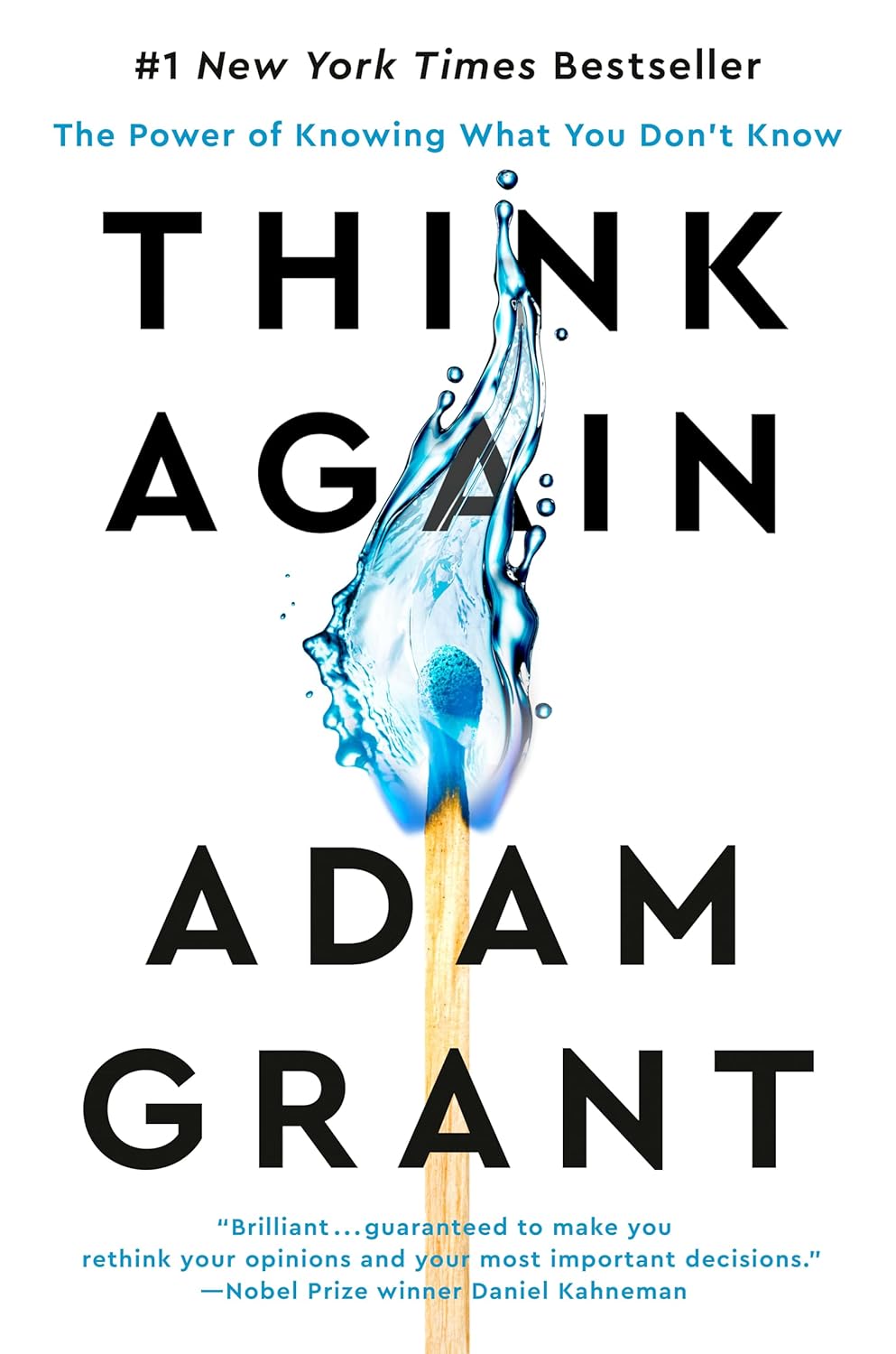
But that's not true as pointed out by Adam Grant in Think Again. Both anti-abortion and abortion advocates can often agree that they want every child born to be a child that can be supported and wanted. That these children get the opportunity to have a good life and the chance to provide for themselves.
Easy Answers Appeal
Social media lends itself to easy answers, rewarding outrage and oversimplification of issues when the reality is far more complex and "it depends" is usually the correct answer. Outrage brings attention in a polarized world clipping the right gaffs from someone your side doesn't agree with brings you into the cool group and fans the flames in your group against your opponent2.
The fast paced world of social media doesn't have time for nuance. User's are not encouraged to spend a few hours sorting out ideas and then looking for holes in their own thoughts. They're encouraged to dunk on someone quickly, and if it doesn't stick, move on to find something else to dunk on. Serve the algocracy3 by finding the next thing that hits the right points and helps a multi-billion dollar company get a bit more attention on its platform.
Cancel Culture: A Symptom of Binary Thinking
"Cancel culture" is the fairly recent phenomenon where individuals are boycotted, deplatformed, and vilified after being called out for something offensive or controversial. This can be as simple as a poor choice of words in a hastily written social media post, or having the "incorrect" answer to a question they've been ambushed with. This is one excellent reason I'm happy there was no online platforms easily accessible when I was in my teens and early 20's. I held views that I now find abhorrent, but since they're not online I get to exist as the person I am today who is far more accepting than the person I was.
Calls for cancellation stem from real pain. People want justice accountability and safety. But when black-and-white thinking drives the conversation the desire for safety morphs into preformative purity tests, where we each try to one up each other in a show of social consciousness.
A single dumb idea you held 10-years ago can get you vilified as a total moral failure with no value in any way. We love redemption arcs in stories, eating up the way a bad character changes into a hero, but are unwilling to entertain that any real-life person can grow into someone worth listening to if they once held a terrible view4.
In a world without nuance, that champions binary bias as a virtue, complex ideas die. When complexity dies black-and-white thinking thrives and damages people far outside high-profile cancellations, shaping how we engage with ideas, and deciding preemptively if we even feel safe to try and engage with hard ideas.
Consequences of binary bias
Every time I think about writing on a hard topic I get sweaty palms. Will this post today get picked up by someone that says I'm a middle-aged cis white guy that couldn't possibly understand why people are getting cancelled? I mean they're right in many ways. I am a 45-year-old cis white dude that's reasonably affluent. I don't worry about my safety walking down the street at night. I don't get followed in stores because of my skin colour being associated with those that steal from stores.
But I also decided that as a 45-year-old white dude I'm more likely to have other men like me listen to what I have to say. If I always self-censor to avoid the chance of misinterpretation I have no opportunity to change the opinions of other men like me. If I don't spend hours thinking about how to best communicate my ideas and publish them, I don't grow as much because I don't spend the time thinking hard about my views.
I believe that the answers to most questions are far more nuanced than they appear to be if we followed any online discourse because so many people self-censor. They don't want to suddenly be piled on and marked as the villain as they try to make an honest effort to express their ideas.
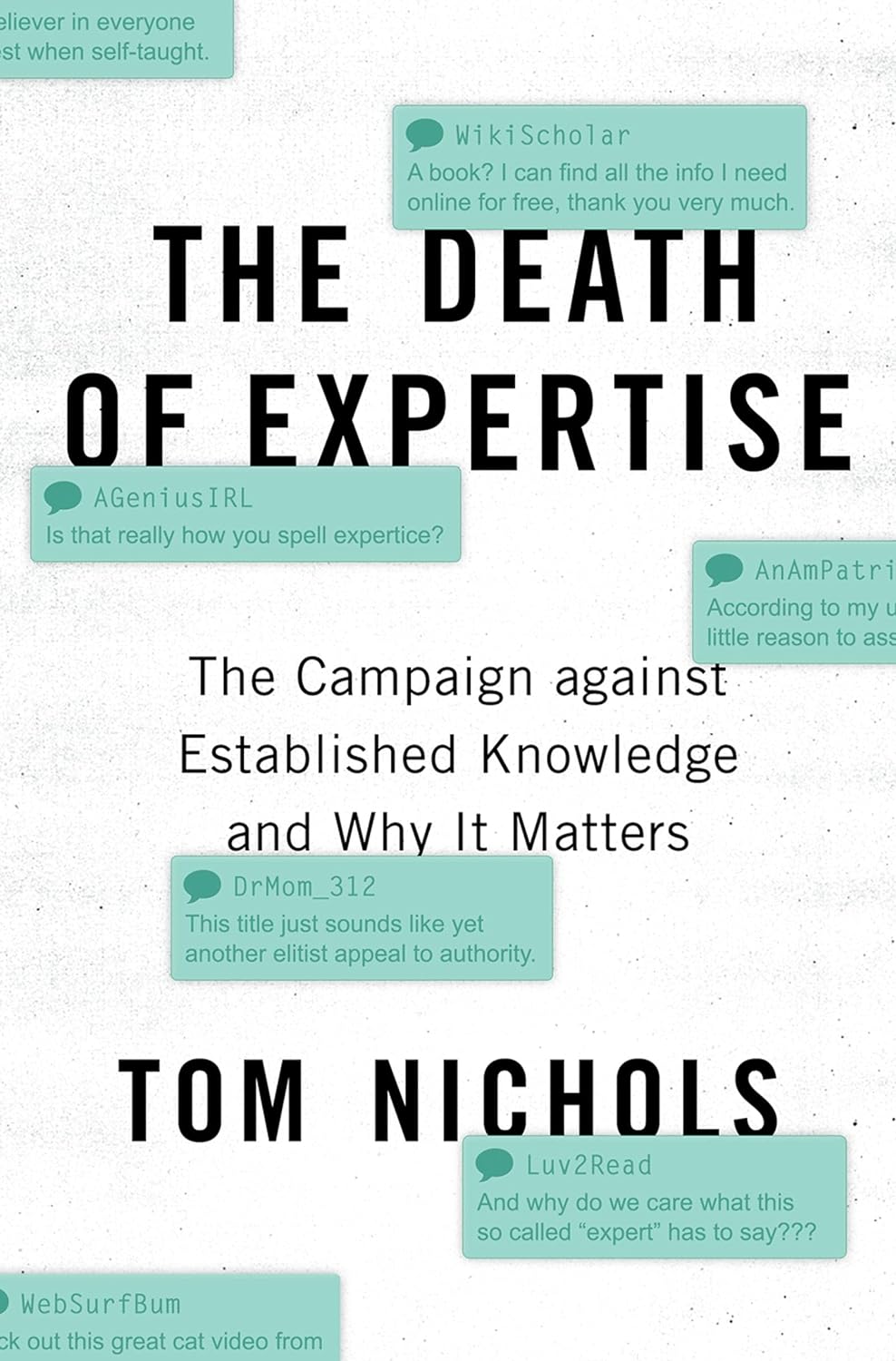
American's no longer distinguish the phrase "you're wrong" from the phrase "you're stupid". To disagree is to disrespect. To correct another is to insult. And to refuse to acknowledge all views as worthy of consideration, no matter how fantastic or inane they are, is to be closed minded. - The Death of Expertise Pg 25
True experts are marked by their ability to change their minds when confronted with new information5. When you don't stake your self-worth on being right, you can engage with ideas that contradict your beliefs without questioning the core of what you are.
Learn to Love Complexity
One of the best things I can say to my children is "I don't know" or "This is my guess but I'm not sure, what do you think?". I don't know everything, and some of the things I think I do know are likely incorrect. If I don't look back on the views I held in my 40's when I'm in my 50's or 60's and think that some of them were bad, how much have I grown?
The best way to fight binary bias, is to learn to love complexity. Don't write off your neighbour when they have a different view than you do, talk to them as you work together on a fence or help them change a tire. Follow advice in Think Again, and ask intelligent questions and then listen to the answers6, not to try and shoot the ideas down but with an ear to understanding the other person.
Binary Bias is Death
If you want to be a learner than a big thing you need to remember is that falling into binary bias is easy, and it's also death to your curiosity. There are rarely easy answers so don't assume that you've found one and that it's the only answer to the question at hand.
While there are some things we should condemn, if we want others to come alongside us we first need to take a step towards them and try to understand where they're coming from. We also need to step past the illusion of explanatory depth, which is us thinking that we understand a topic far more than we do. If you're asked to explain in great detail many of the "easy" things around you, you'll quickly come to realize that you don't understand as much as you thought you did and you need to take a step back from the absolute advocacy that you're right.