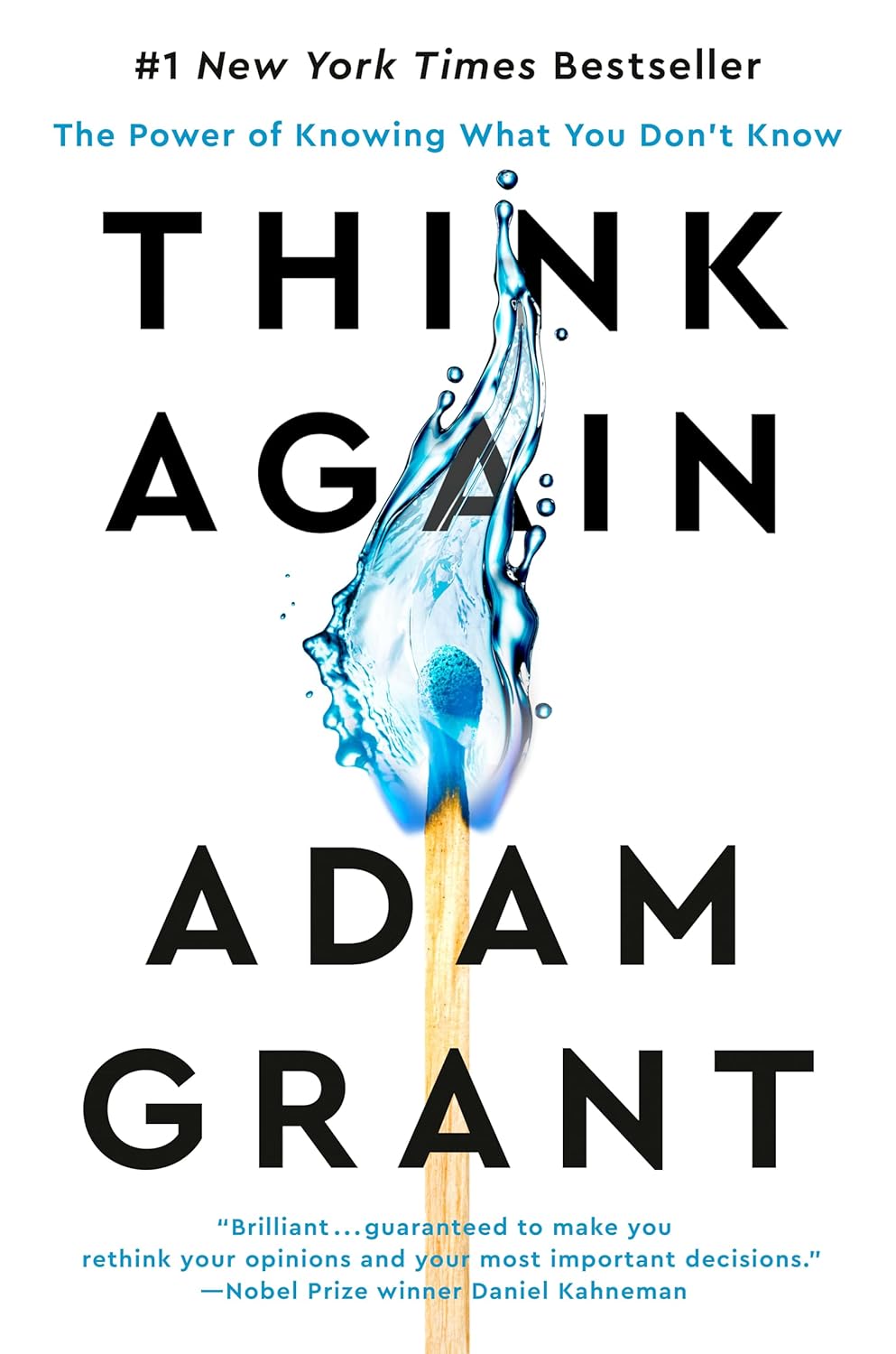
The news slams into us every day—another hate crime, another community torn apart, another reminder that the center isn’t holding. As racism resurges and social trust frays, it's no wonder people seek refuge in polarised worldviews. In our second look at Think Again we'll examine the issues with society that I see leading people towards polarisation as they try to find a place in this world.
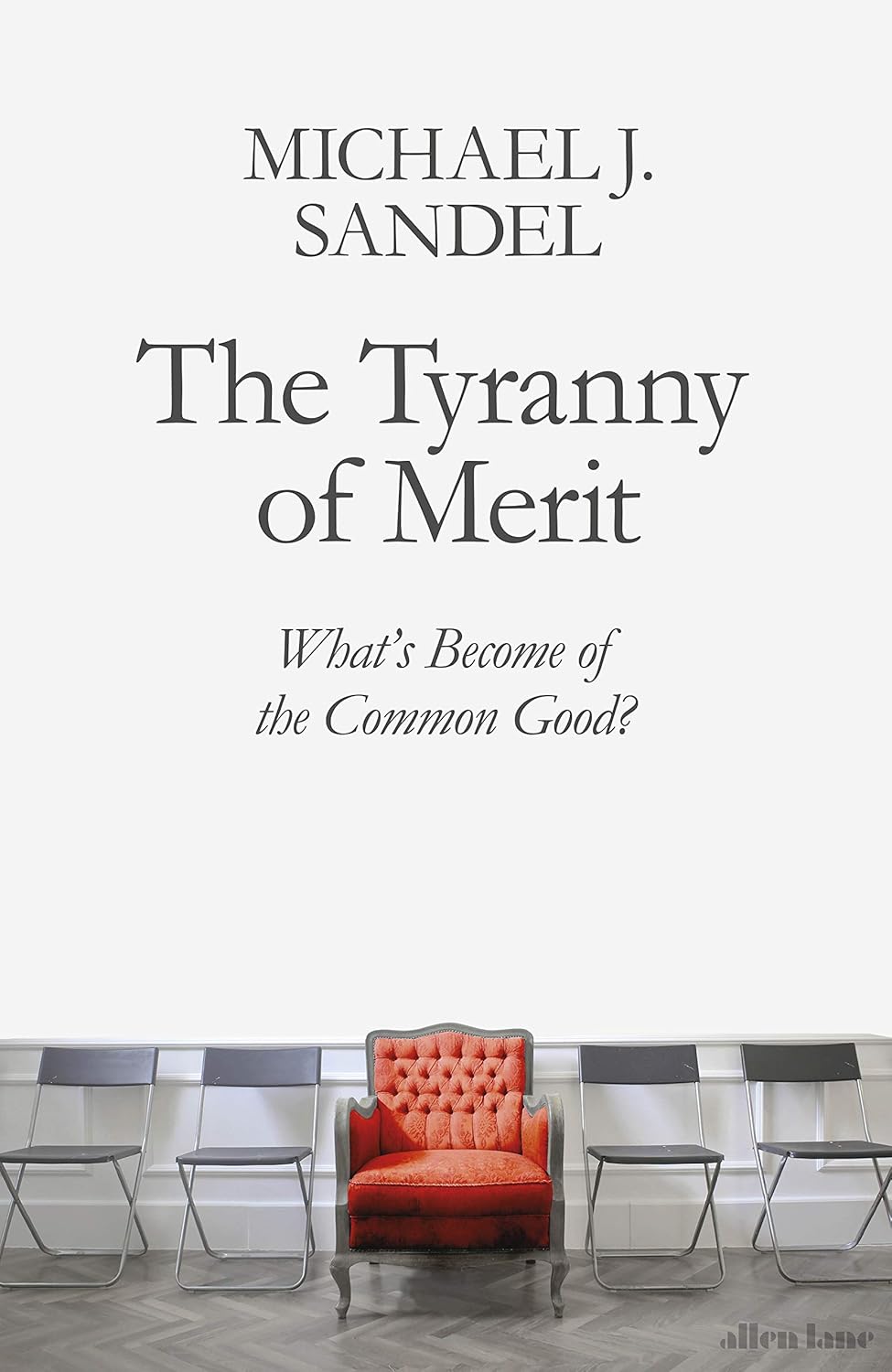
According to Adam Grant, our hostility towards people increases when we believe that they are competing with us for limited resources1. Since the 1980's American male income has been stagnant2, while inflation has risen so that $100 1980 dollars would be almost $400 today. For those with stagnant wages that means they've lost $300 worth of purchasing power since 1980.
In addition to wage stagnation we've watched business owners capture more of the value in a business compared to employees. In 1980 workers captured 65-66% of GDP which has gone down to 50-59% today. This equates to around 6 trillion dollars a year less going to workers globally3.
Finally, white men specifically have seen a loss of status outside of the wages they used to earn. No longer can a white man always rely on his whiteness to support him in all situations. He now may be questioned instead of simply being believed when he says something. A woman, rightly so, may push back at catcalls and other ridiculous ways men have tried to establish status among other men.
From the fringes to acceptance
Polarization is reinforced by conformity: peripheral members fit in and gain status by following the lead of the most prototypical member of the group, who often holds the most intense views. - Think Again Pg 128
The exact process described by Grant above is how vile human beings like Andrew Tate gain radical/crazy followers. They glorify the worst acts bringing people that were formerly marginalised for their views into the fold as heroes, giving them status. Then other members of the group see the status grow, and work to espouse the same terrible views or perform the same terrible acts in the name of being valued in the world.
This cycle perpetuates itself with more radical views and acts gaining more status until people are saying and doing things that should land them in jail. Unfortunately since this is mostly white dudes and, despite a loss of status, white dudes get a huge pass on so many things further emboldening them to do more terrible things.
Overvalued success
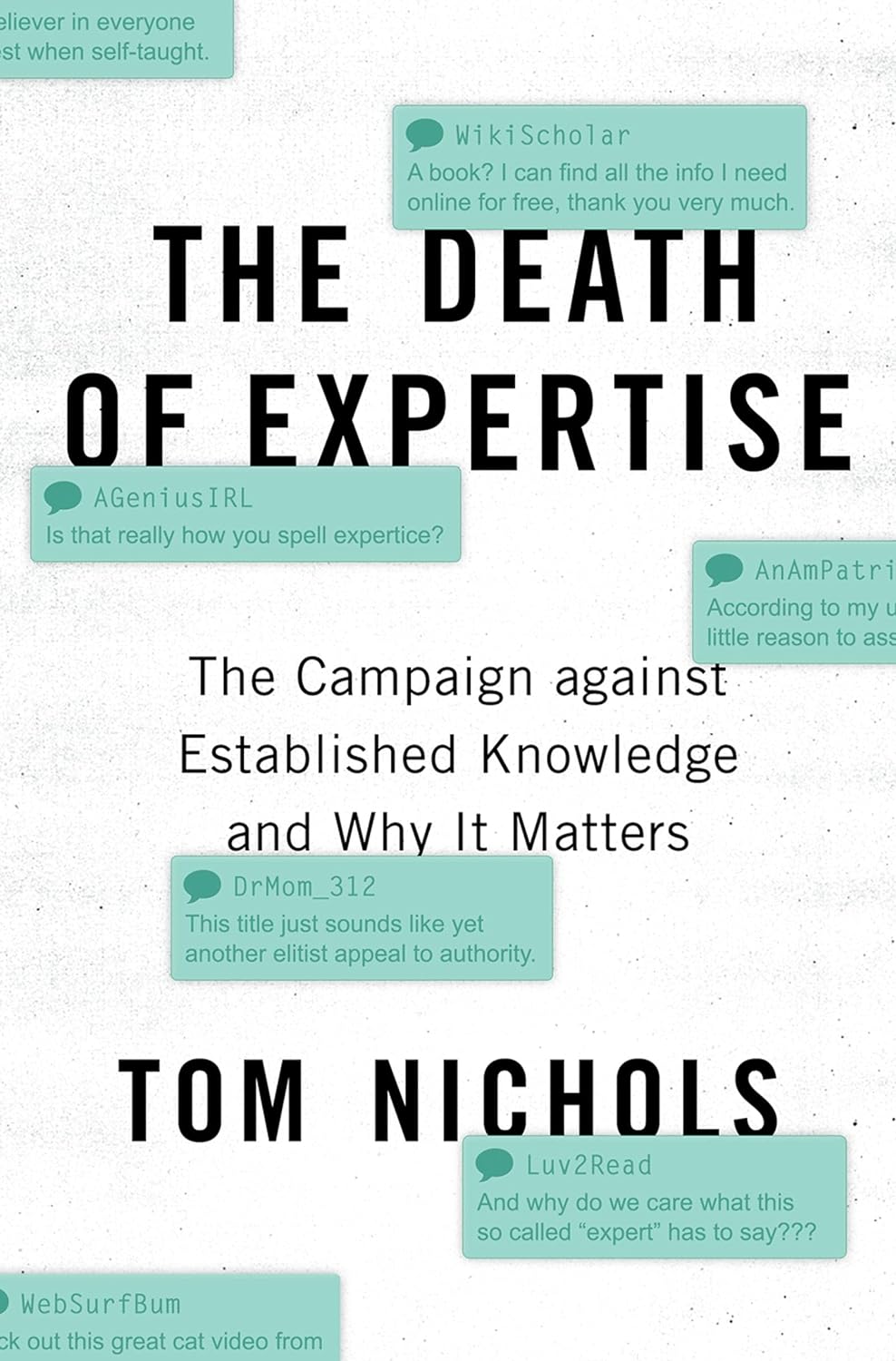
A second incorrect assumption people make is that success in one area means you are successful/knowledgeable about other areas that are unrelated to your expertise4. The highest profile example of this currently is Elon Musk, who feels that because he earned lots of money he knows how to help the government be more efficient with it's resources.
But if you've been watching Musk for the last 10 years his incompetence isn't a surprise. When asked about specifics of the "total rewrite" that he said Twitter needed he had no answers and instead called the questioner a jackass. A City on Mars makes it clear that Musk's claims about a Mars colony are a total pipe dream and he's not even spending the money on the science needed to make it a possibility because so much of it isn't marketable so he can't show it off. Hyperloop was never viable, but it distracted from public transportation projects which means other oligarch's like Musk can continue to monetise public services.
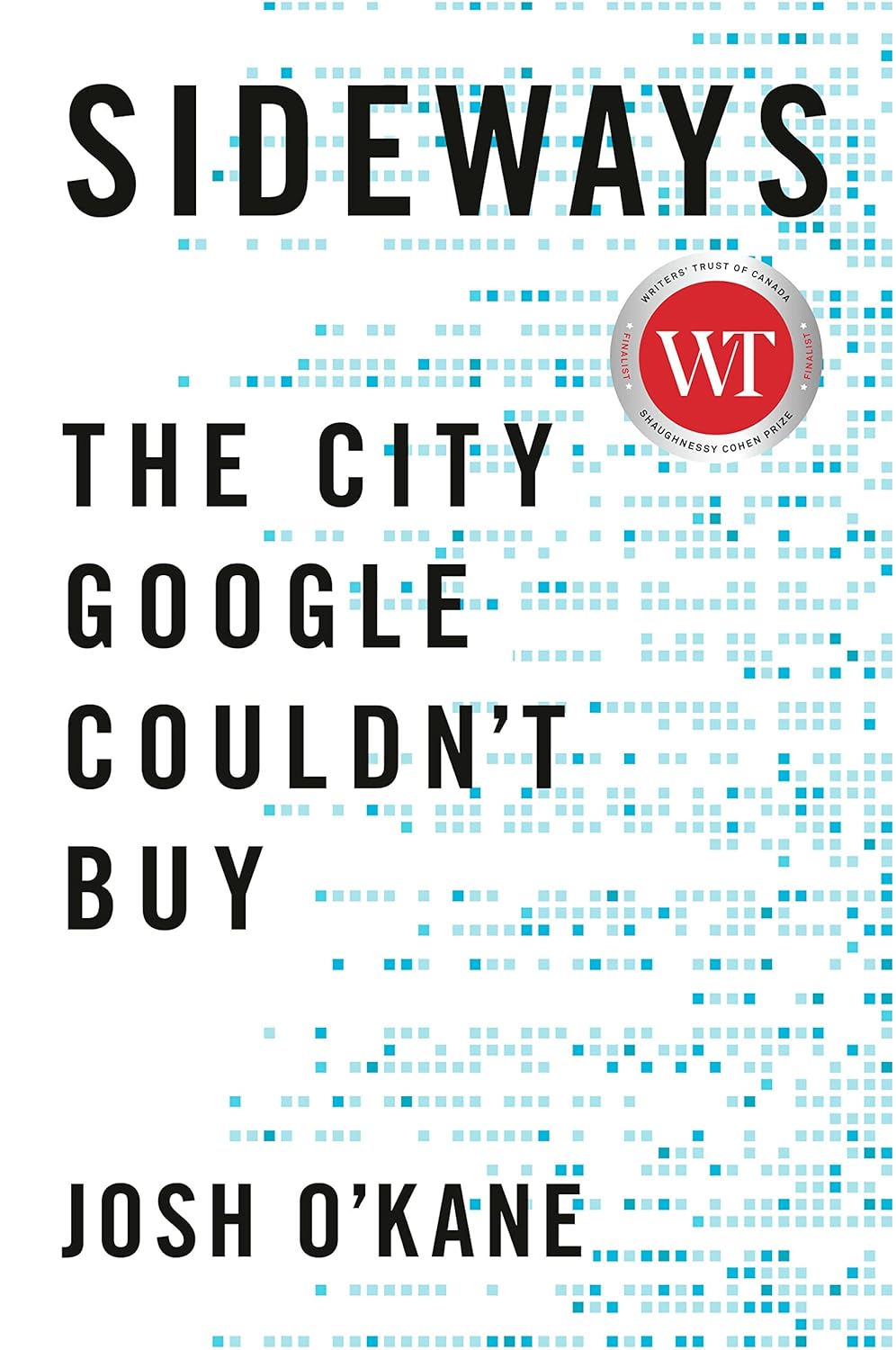
Larry Page made the same expertise mistakes when he championed the city building project on the Toronto waterfront. The end result was millions wasted because Google and Page had no idea how city processes and infrastructure works, with his own staff spending much of their effort educating him on the shortcomings of his knowledge5 which he simply couldn't believe.
But if you don't know how bad we are at gauging the expertise of someone, and if that expert falls into the trap of thinking they're an expert in every field we get people like Musk and Donald Trump6 who egg those on the margins on to hate groups of people that have nothing to do with the issues that are plaguing society.
Fixing it?
So how do we push back against polarization and misinformation? Grant’s answer is deceptively simple: listen with curiosity. Not to poke holes or win arguments—but to understand7. Real curiosity disarms. It opens space for dialogue. And it lays the groundwork for deeper shifts in belief.
But Part 3 of the book on Collective Rethinking talks more about finding common ground, so we'll leave that for next week.
Disclaimer
This is a hard topic and I thought I should be clear. I don't support any misogynistic or racist or sexually discriminating views. The content above is simply trying to explain how I can see that someone would make very real steps to radicalisation. I feel that their conclusion is incorrect, but it's the easy one. The hard one is looking at capitalism as a whole and how it praises profits at the cost of society and thus marginalises everyone but a very few at the top who reap almost all the benefits of the system.
This doesn't excuse the heinous acts that people take. They should still be held accountable for them.
Think Again Pg 124 ↩
The Tyranny of Merit Pg 197 ↩
The Big Fix Pg 19 ↩
The Death of Expertise Pg 178 ↩
Sideways Pg 68 ↩
Trump is a good marketer and a terrible business man ↩
Assuming that like I said last week, we've already taken a look at our views. ↩