Welcome to 3 Threads, where I write about 3 ideas that interested me this week. You can get it in your inbox for free.
Slower internet
The main difference between this time and now is you. When you want to get back to reading blogs, RSS feeds, and finish that tutorial instead of doomscrolling shorts, you have to get used to a slower internet. One where content is not infinite and doesn’t get updated every click. - Attention
With no social media on my phone, doomscrolling isn't possible and I'm loving a slower internet, and a slower life. Reading more, thinking more, and filtering much of what I'm reading through one big question I'm pondering.
What does it mean to be human in the world of AI?
On speed
One thing that AI can bring us is speed. Yes, I'm getting more issues shipped and more customer-facing features out at my job. I'm also feeling more wound up every day managing agents.
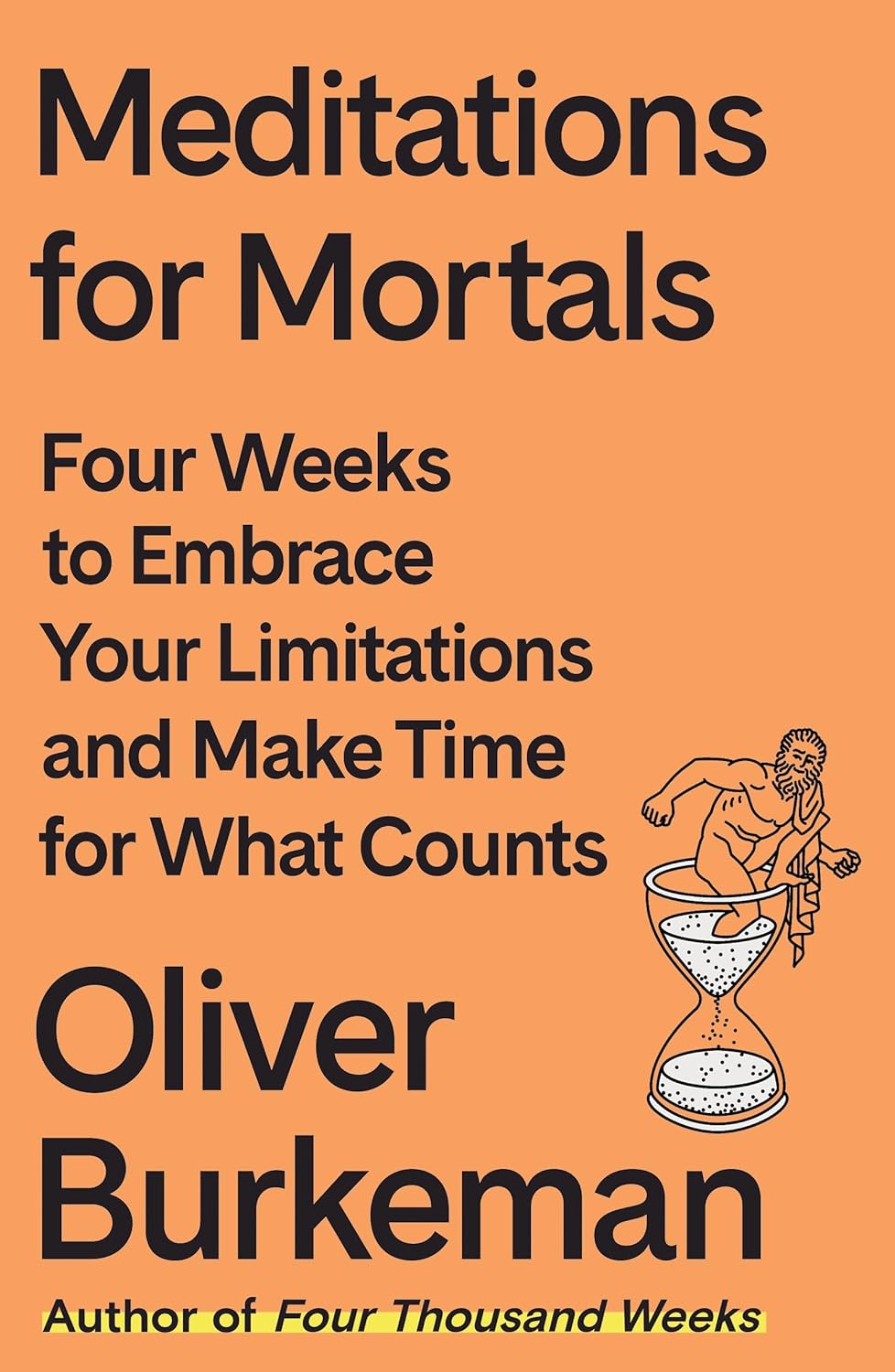
Speed, like productivity, is something we strive for but will never achieve. At what point are we fast enough, or productive enough? Oliver Burkeman tackles this idea in Meditations for Mortals as he discusses our desire to get more done, as if there is an amount of work we can do which justifies our existence on earth1. The deep-seated desire to justify our existence with productivity, and the speed that we can get stuff done, drives many of us and we have a hard time slowing down.
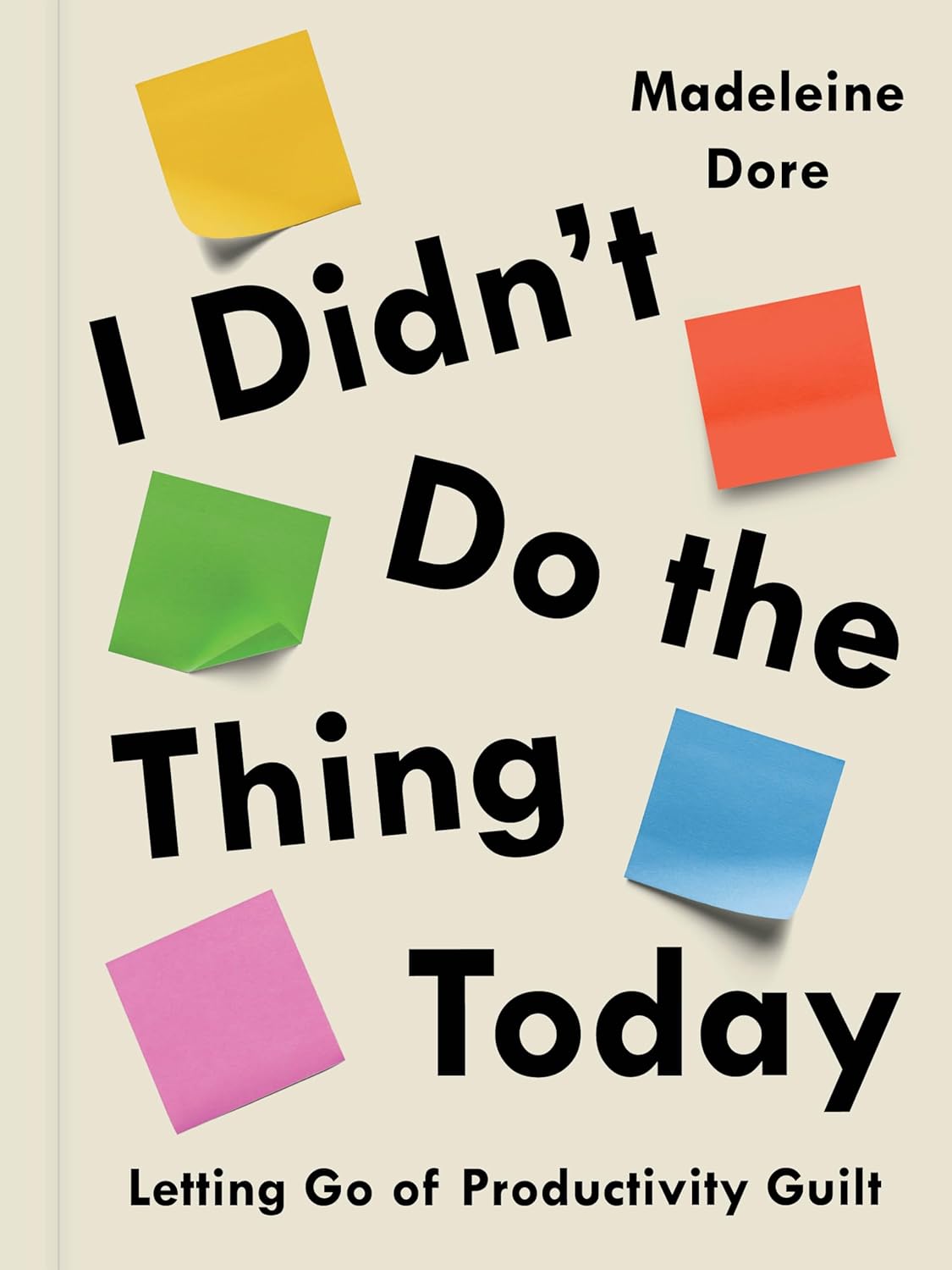
Society continues to ingrain in us that we are what we accomplish2, that if we accomplish more, we are more worthy. This is directly out of the playbook of capitalism: if we work hard we are "self-made" and deserve the good things that come from our work. Reading this, it seems fine until you flip the script.
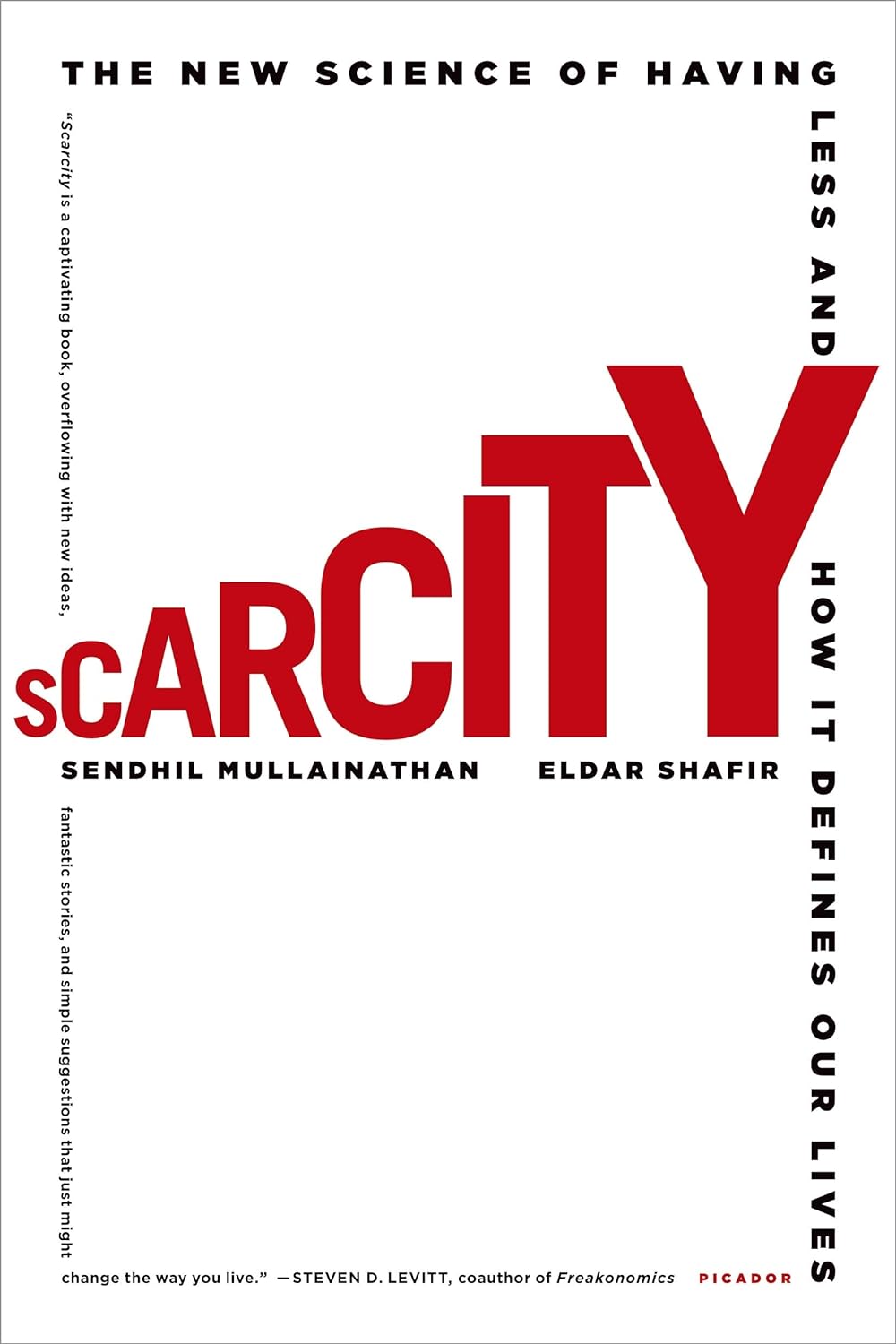
Is it true that those who have nothing deserve nothing because they didn't work hard? No, this isn't true. They may be working three jobs to barely pay bills. They don't have the time freedom to take on education, to make "better" choices. They're so focused on just eating and having a roof they can't spare any attention for other concerns3.
But if you fall into the belief that you got what you deserved due to your hard work, anyone who doesn't have as much as you also has what they deserve. You don't need to bother with thoughts about systemic wealth theft, oppression, or the morality of school lunch debt.
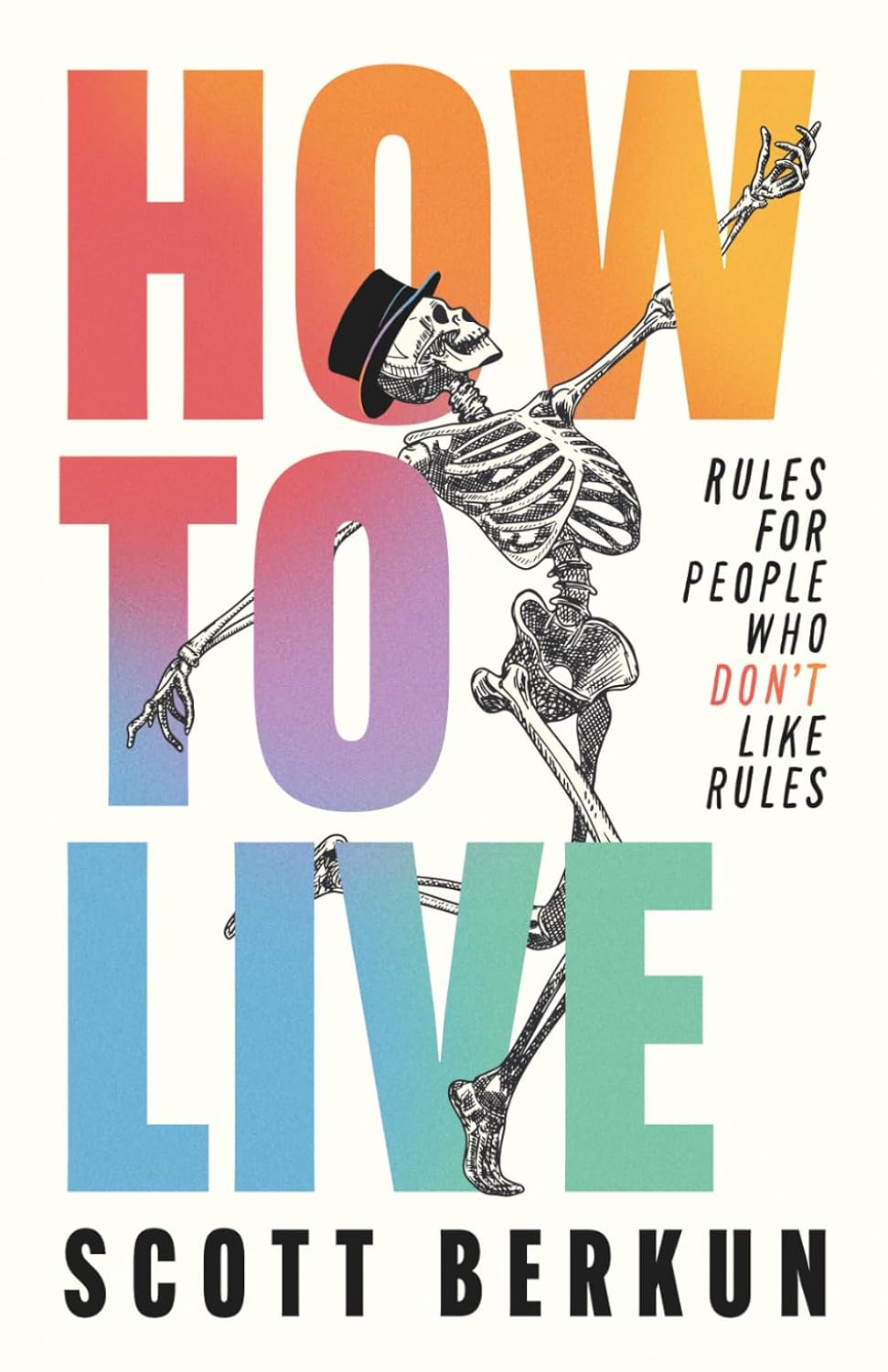
As I contemplate my big question for the year, I must also ask: what is enough? What is enough speed? How many tasks shipped in a day means I can leave my desk and read for pleasure? How can I balance working and getting the rewards for my work, with making sure others are taken care of? How does more speed affect my ability and time to think?4
Sliding or deciding?
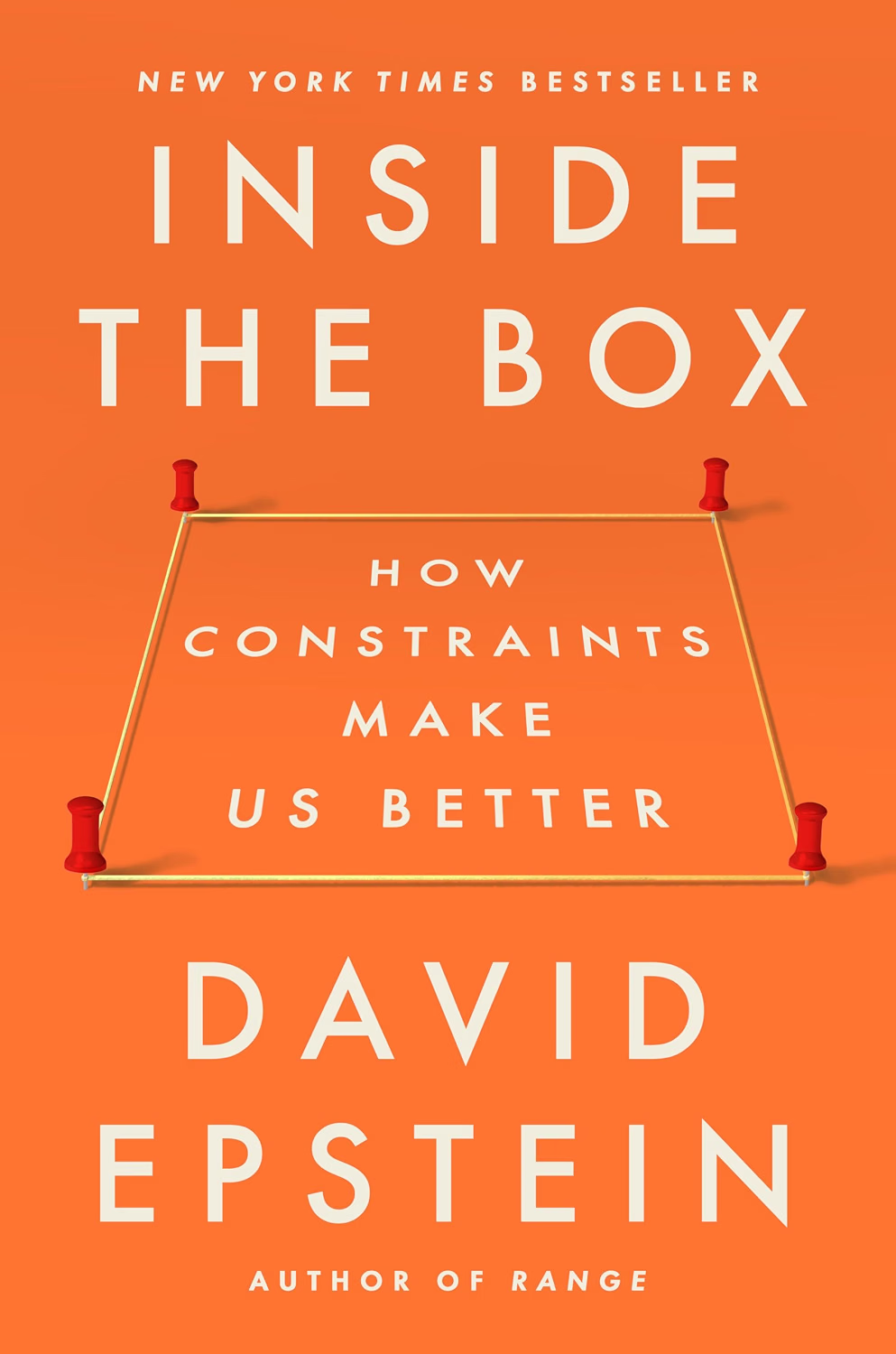
According to David Epstein5, a modern trend is to slide into new phases of life instead of deciding to be there. He cites relationships as one place we see this. You slowly spend more time at your partner's place until you're living together. No affirmative decision or discussion happened though. You didn't make a commitment; it kind of just happened.
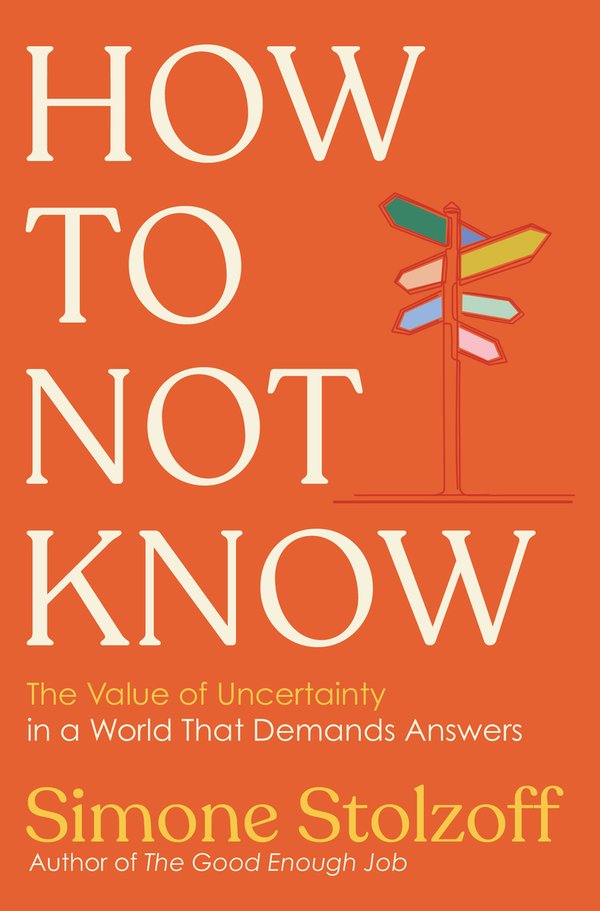
This lets us feel like we're keeping our options open. We can walk away from anything because we never really decided to be there in the first place. Bobby Duffy looked at the flip side of this in The Perils of Perception. There the idea was that when we make a decision about something, it can often become part of our identity. Once something is part of our identity it's hard to reverse the decision because it's saying goodbye to a part of us that feels like it defines us6.
So how do we walk the line between sticking with bad things because they're part of our identity, and simply sliding into a life without any real thought about what that life will mean? Going too far in either direction is bad.
Meditations for Mortals Pg 20 ↩
I Didn't Do the Thing Today Pg 74 ↩
How to Live (Pg 51) talks about how increased speed hinders thinking because we don't have time to think. ↩
Inside the Box Pg XXV ↩
Also see How to Not Know Pg 19 for the same idea on identity. ↩