Today is all about work. From the terrible deal that modern work is, to how automation can harm us as we deskill ourselves, to nebulous productivity goals. Work runs our lives, and maybe we shouldn't let it.
Tracy on working
Tracy has an excellent post on the terrible deal that modern work is. From Protestant Work Ethic, to our jobs expecting to buy our passion and total commitment when they only pay us for our work.
Read through the links she has in the post. I read most of them and every one I read was excellent.
If you want to go deeper I'd recommend these books.
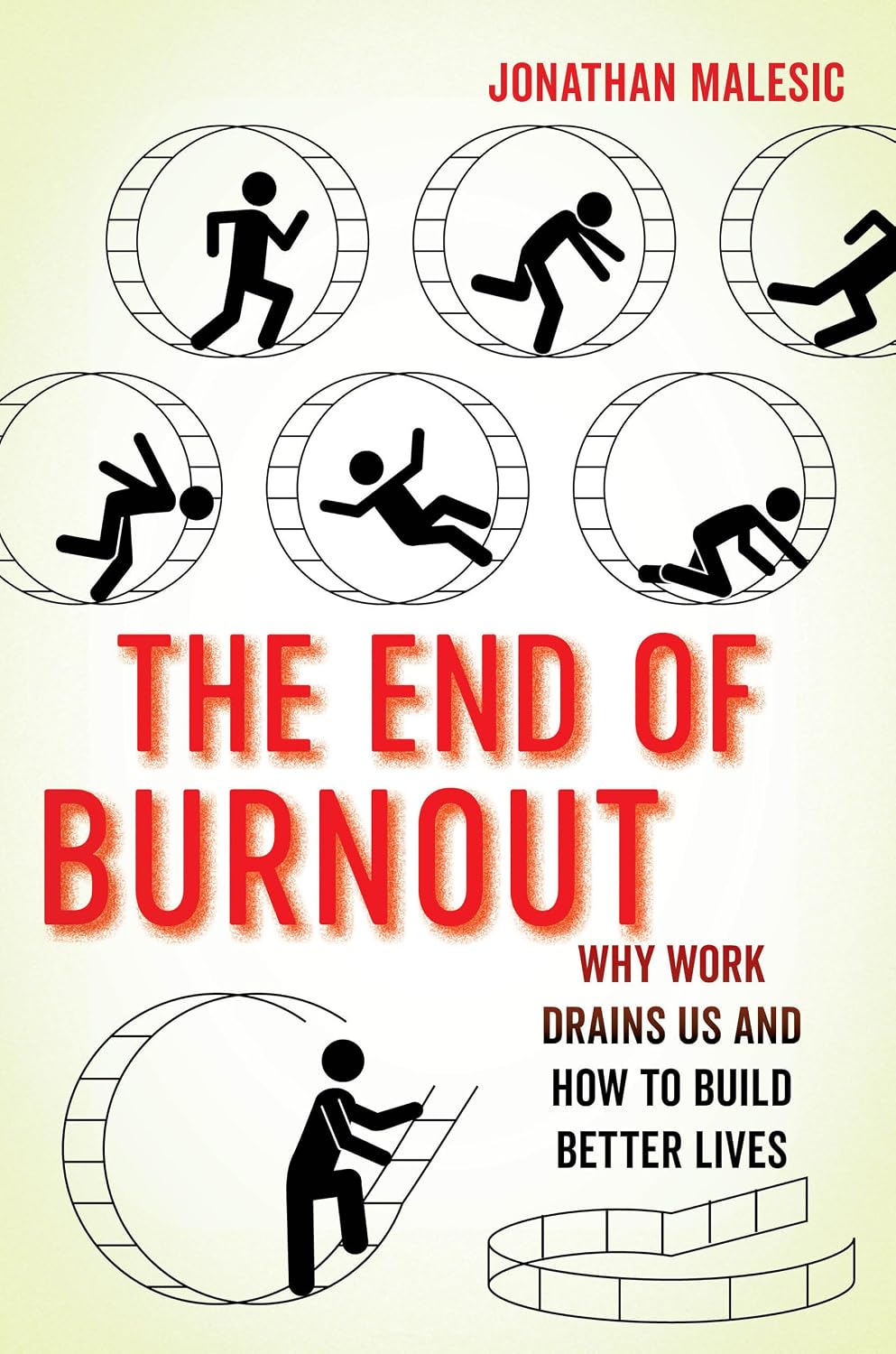
- The End of Burnout
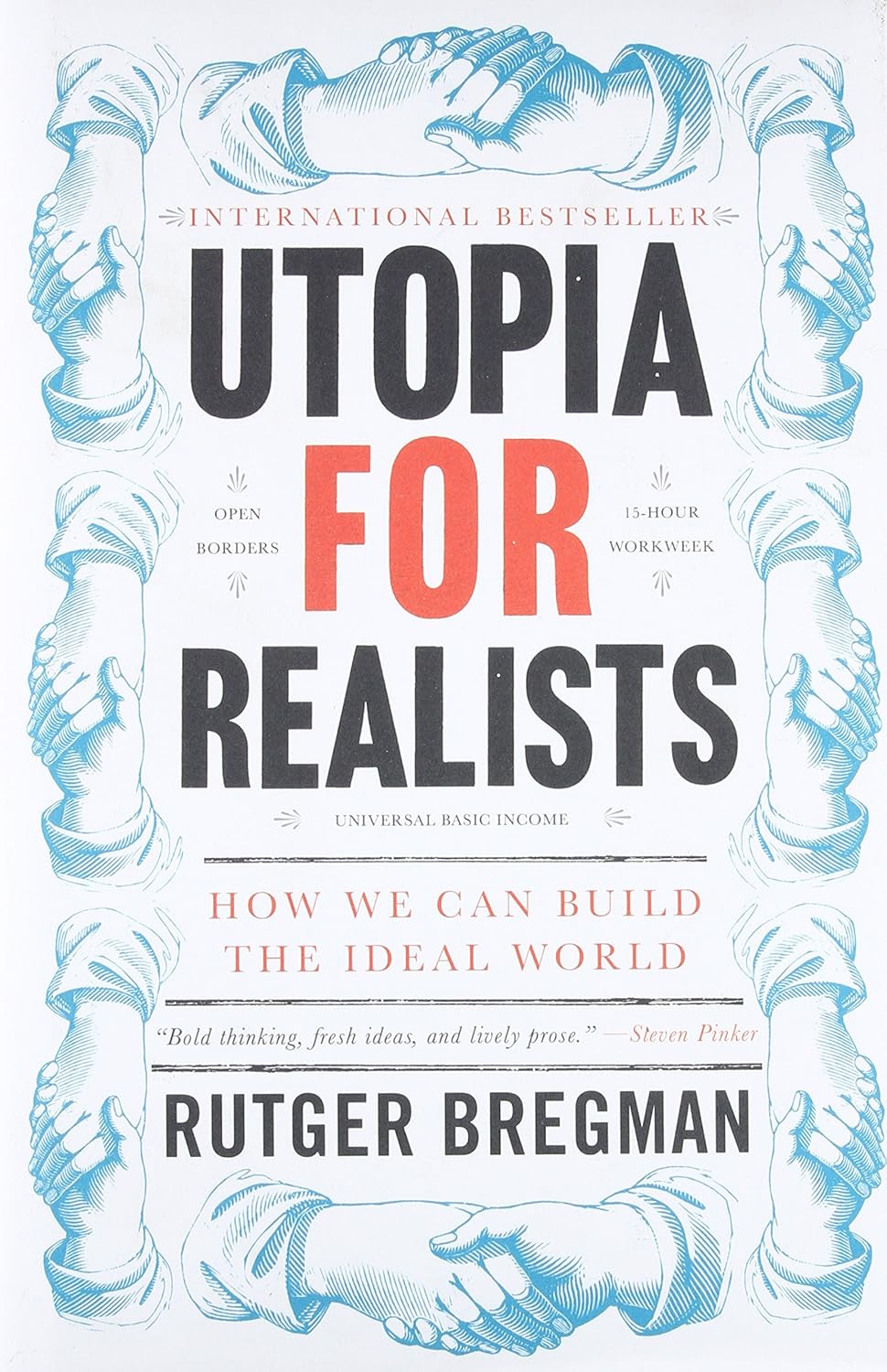
- Utopia for Realists
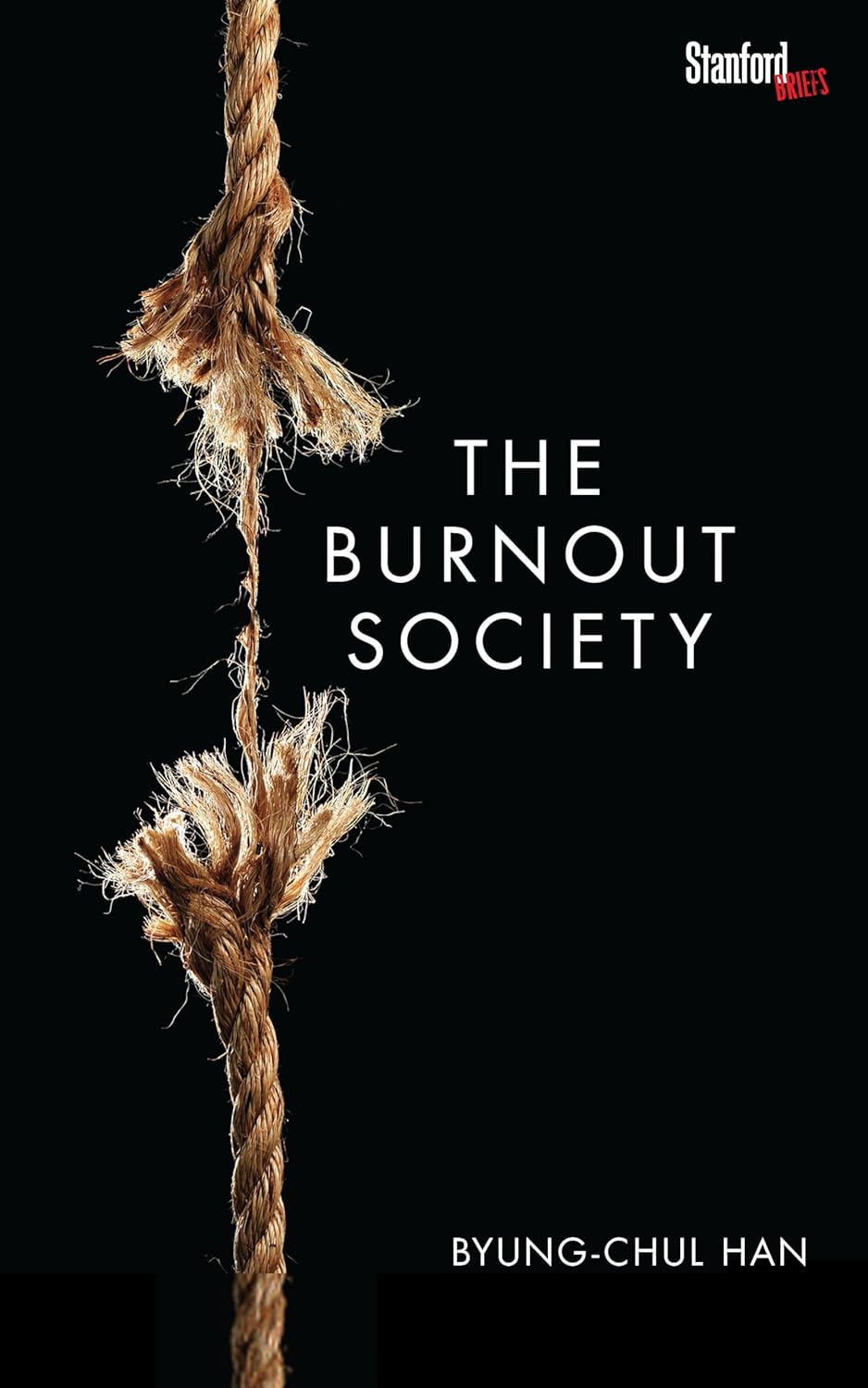
- The Burnout Society
- Democracy at Work
- Saving Time
- Never Enough
- Manufacturing Happy Citizens
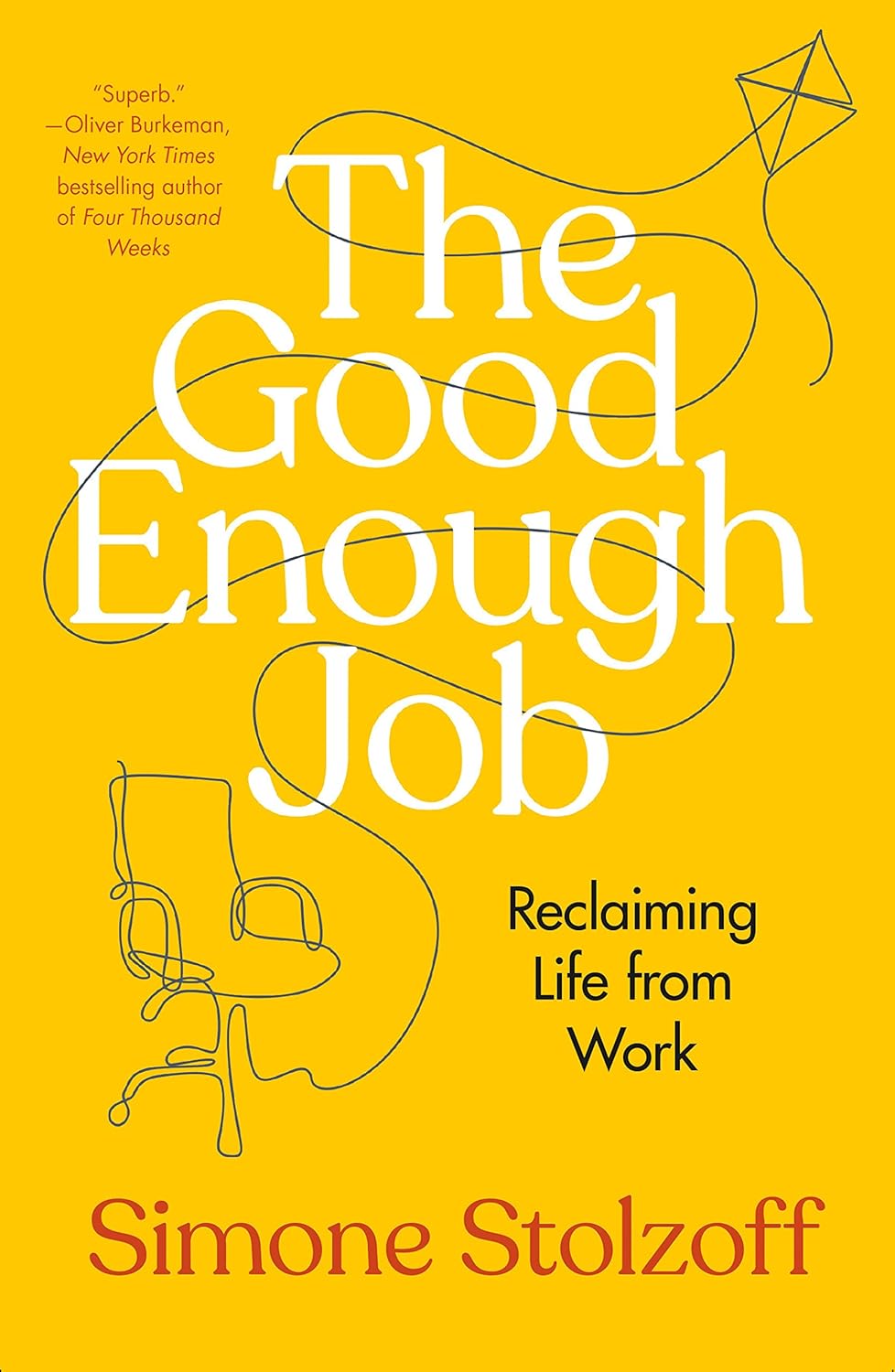
- The Good Enough Job
- On Work
- I Didn't Do the Thing Today
- The Tyranny of Merit
- How to do Nothing
- Shorter
- Rest
Also remember that if we just work all the time we're too busy and tired to try and better the circumstances. This is perfect for a specific class of people that benefit from our work.
The Automation Paradox
Based off a discussion in Security Now 1095 I looked a bit more into [[the automation paradox]], which is best described where it was found in flying airplanes. In short, autopilot had done so much for pilots that when the pilots in the article above were presented with flying the plane themselves and no assistance available, they didn't know how to deal with what is described as a pretty basic scenario.
Security Now brought this up in regards to the way that AI tools are automating software problems. Coders aren't looking into bugs themselves, they're trusting AI to find the issues, then solve them and just checking the code that comes out the other side.
Pilots had this solved for them by being forced to handle the plane a bit more often. Airlines take a bit of a hit on fuel efficiency to keep pilots trained to deal with flying the plane.
The paradox is also well illustrated by this article about reindustrialization of America. Here so much institutional knowledge is housed in employees like "Craig" who knows that the machine doesn't match with the docs because 10 years ago they had to make a change to operation. It's not documented, and yes his replacement may have similar skills, but will be so new and the training overlap won't be long enough to impart everything that Craig knows. In this case all the automation took away any expertise in operating the machines so that when the automation fails, no one can get a thing done in a workshop where all the tools are available to do it by hand just like it used to be done.
The reindustrialization article made me think of my time at Western Canoe and Kayak. There we had machines to process cards, but we also had the old manual machine to process them. Over the 5 years I worked there we used that manual machine and paper to process cards at least once a year when we had a power outage. Every single staff member was trained on how to do a fully manual sale and we reviewed it once a year or so. They overcame the automation paradox by teaching us how do things manually, and boats still got sold when the power was out.
Coming to my job, how are programmers relying on AI going to deal with bugs that need to get solved in the AI? How are we going to work when there is no AI because servers are down?
It's worth thinking about this and planning in some manual work so that you keep your skill sharp.
Nebulous Productivity
How many of us are struggling, striving, searching, for more productivity? We want to get more done in a day, to push a bit harder. We even have a hard time shutting off at any point no matter how much we've already done.
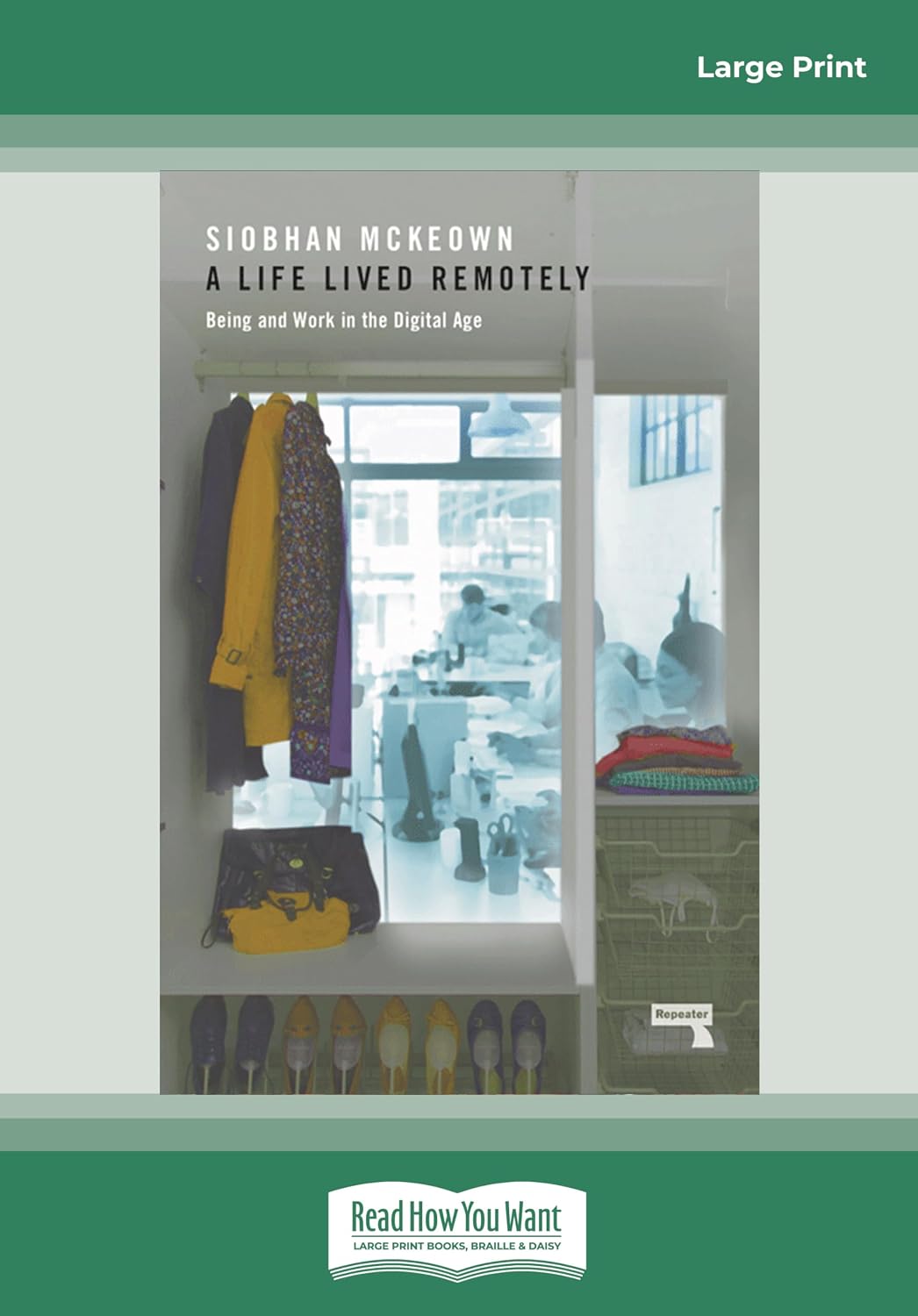
Siobhan McKeown addresses this in A Life Lived Remotely as she correctly points out that we often strive for "more" productivity in some nebulous sense. There is no end to how much more productive we want to be, just more productive than we are now.
Then every time we find some new method to gain some productivity, it becomes the new set point and we again start looking for "more" productivity. It's highly likely that you from a few years ago would look at the amount of work that you do today and be amazed that you get it all in.
Maybe we should just be happy with how much we get done and use any further productivity to examine who we are outside of work.